
Last updated November 23, 2026
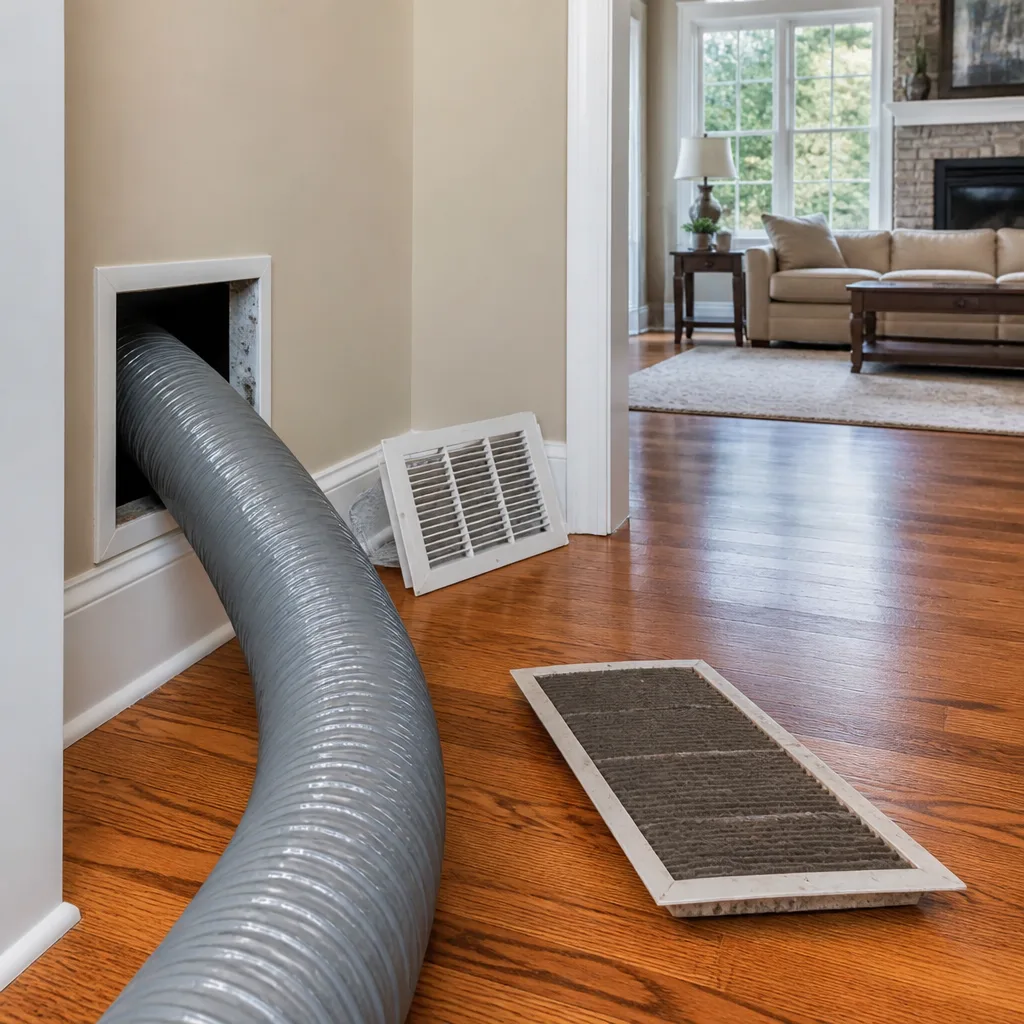 Whole-home duct cleaning
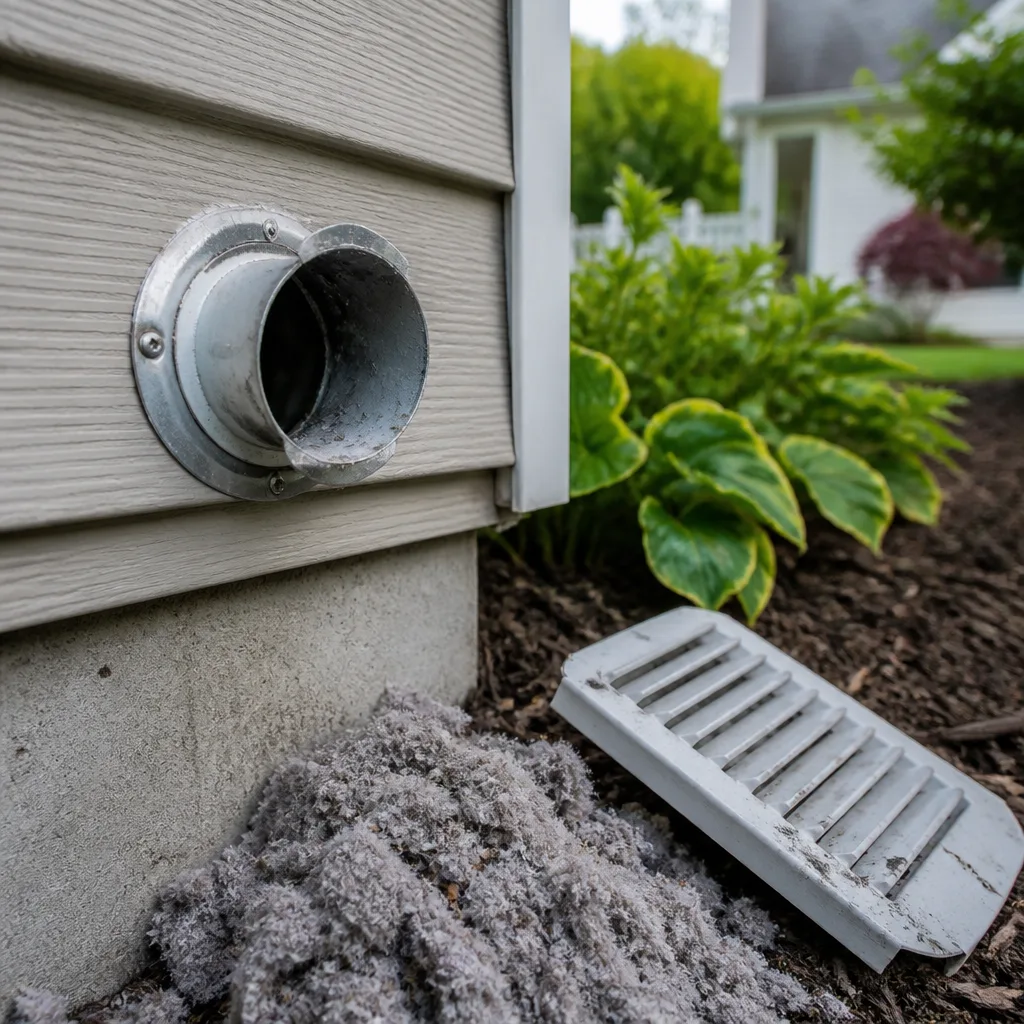 Dryer vent cleaning
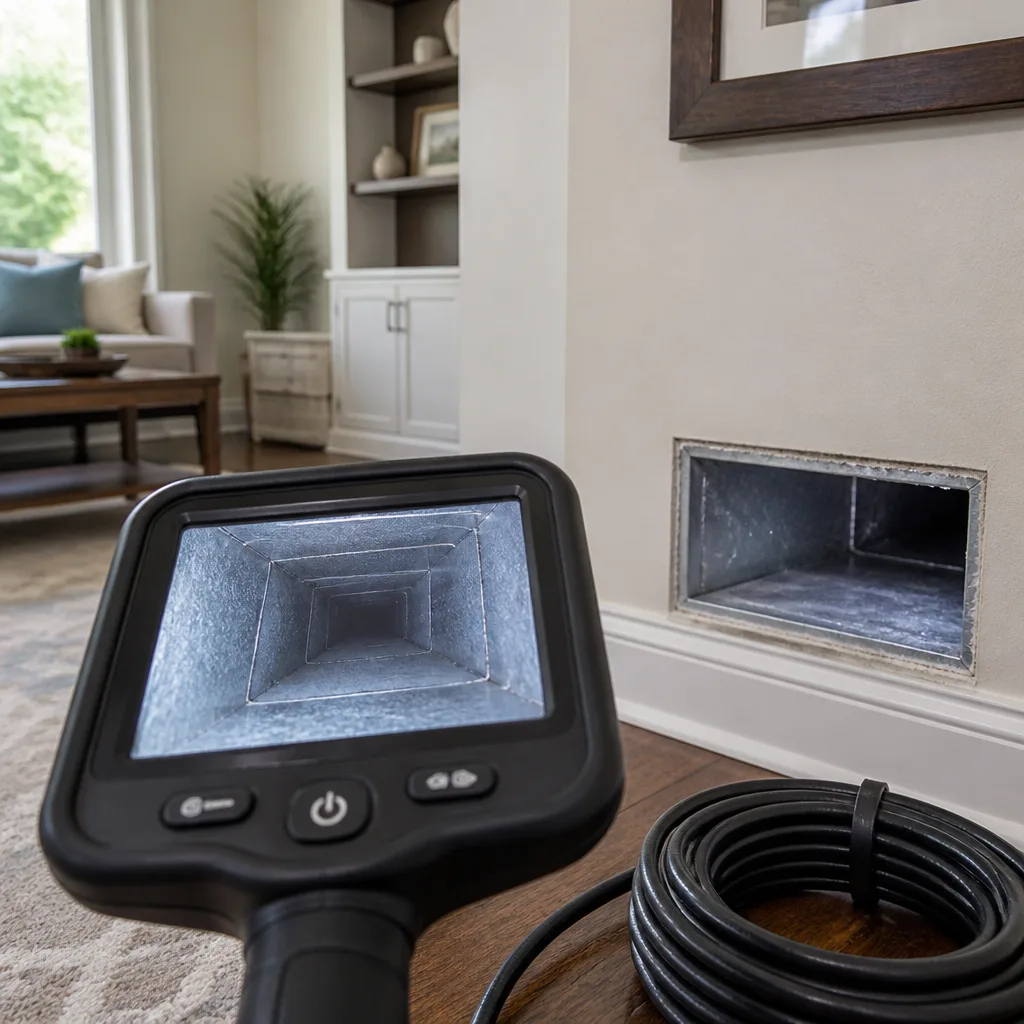 Camera inspection
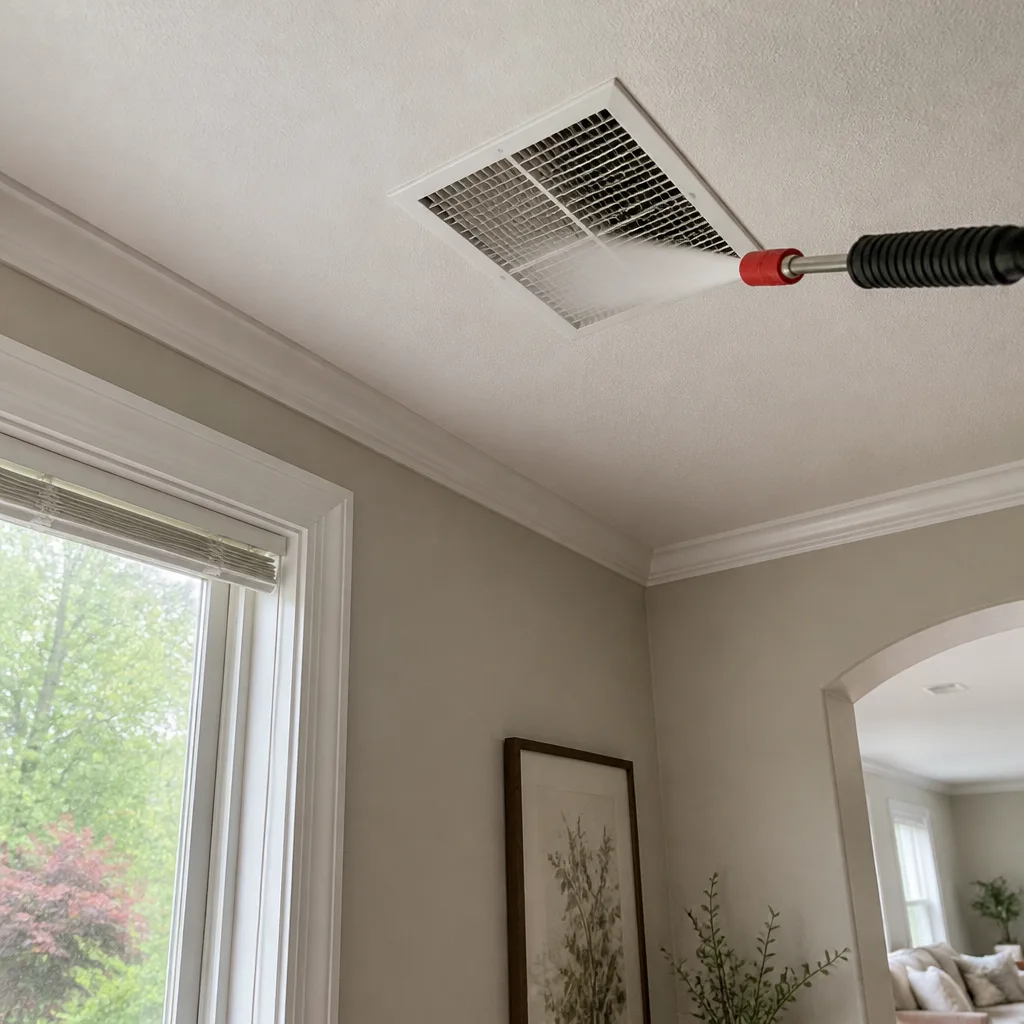 Sanitizing & deodorizing
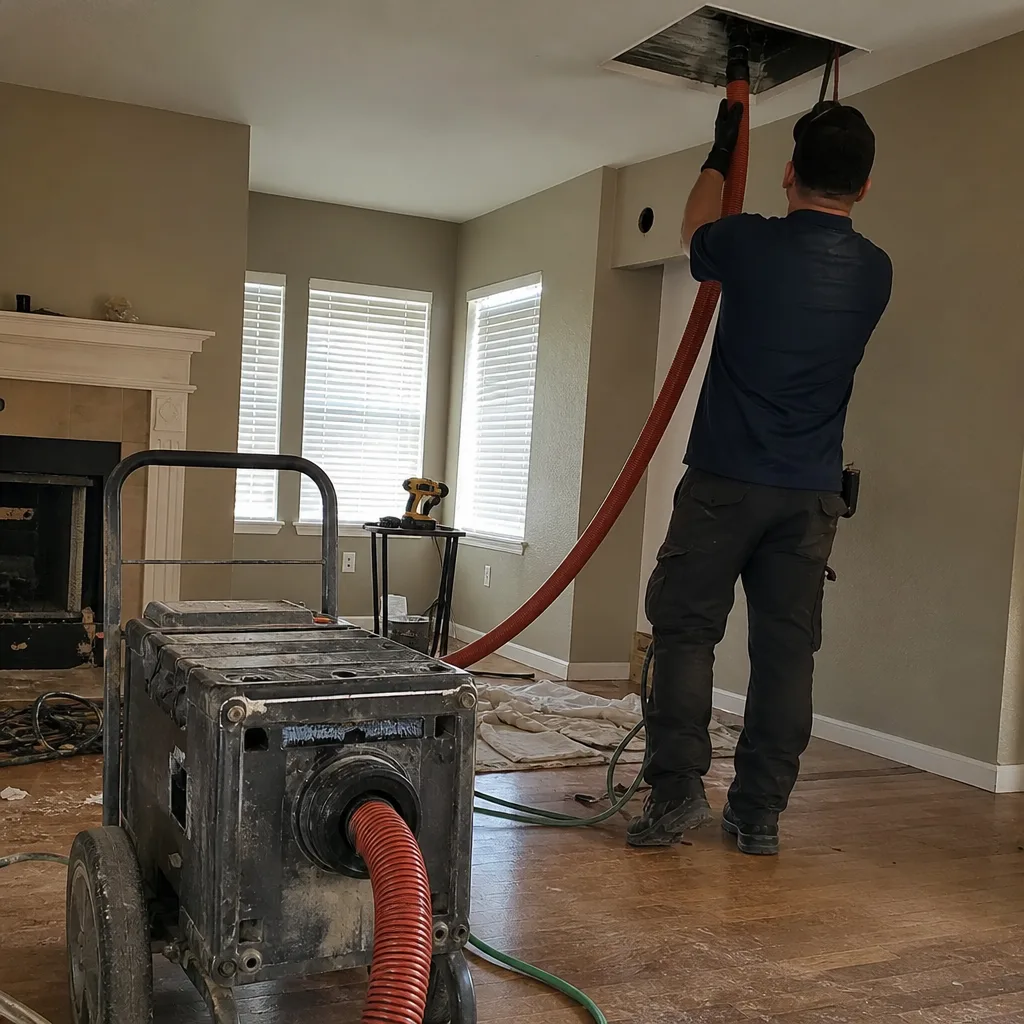
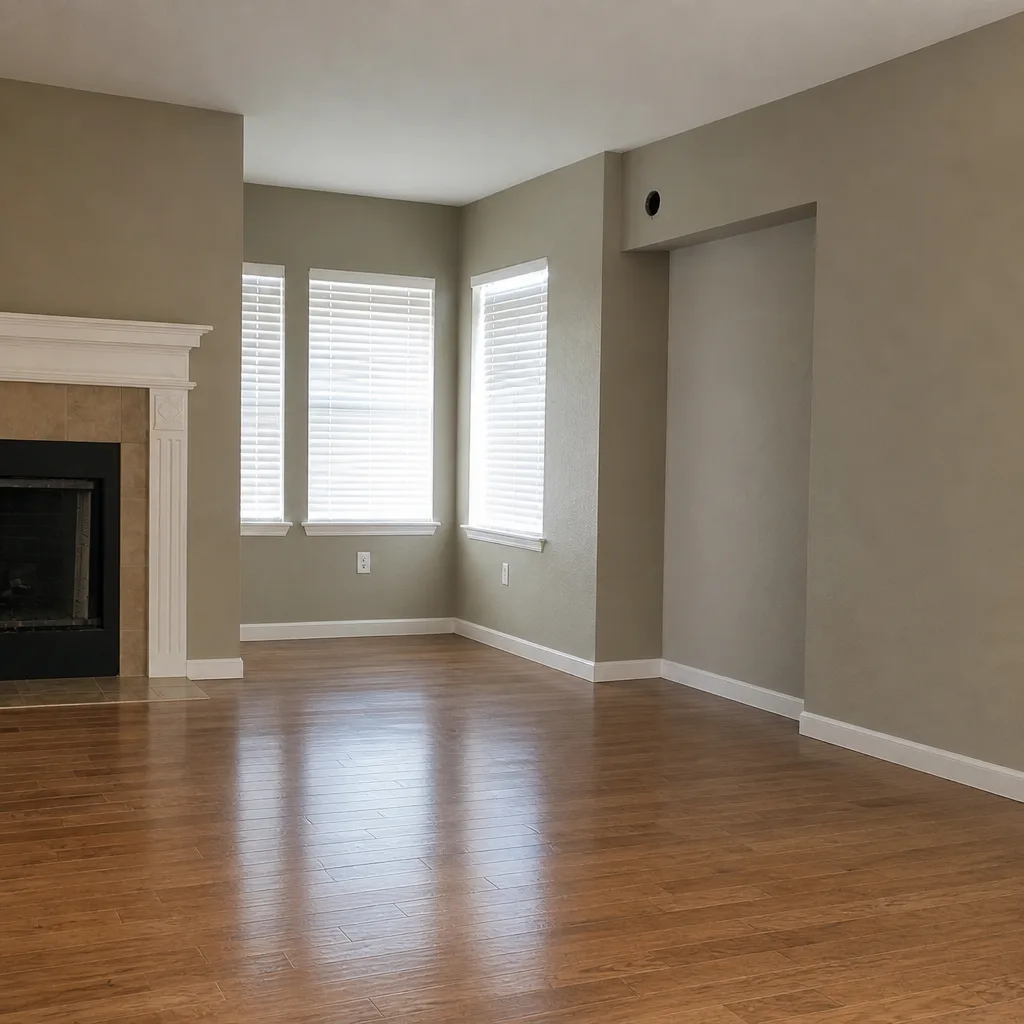
Whole-system duct and dryer vent check with before-and-after photos - you see exactly what came out of your vents
That "$99 whole-house special" is a bait ad - the real number appears once they are in your hallway, or the "clean" is a shop-vac at the register. We photograph the inside of your ducts before and after instead.
Air Duct Cleaning Emergency Preparedness Guide for Uptown Homes
Most homeowners think about duct cleaning as maintenance. Something to get to eventually, like gutter clearing or the annual filter swap. But after a house fire is contained, your duct system has typically carried smoke particulates and combustion byproducts into every room in the home, including rooms the flames never touched, within the first 20 minutes. The same is true after floodwater, demolition dust, or a severe storm drives debris through your return grilles. This guide is written for Uptown homeowners and property managers who want a real protocol for what to do with the HVAC system after an emergency event, how to document contamination for an insurance claim, and how to prepare before anything happens. What you’ll learn: event-specific duct response steps, the difference between treating odor and removing residue, and how Uptown’s humidity and flash flooding shape post-event risk.
Quick Answer
After a fire, flood, construction event, or severe storm, turn the HVAC system off, don’t run it, and don’t use fans or space heaters to dry contaminated areas until a professional assesses the ductwork. Smoke residue, flood aerosols, and fine construction particulate settle inside duct runs and get redistributed every time the system runs. The correct response is a documented, professional duct assessment and cleaning, with evidence gathered for your insurer, followed by duct repair and sealing to close the system back up.
Styles & brands we work with
- Whole-home duct cleaning
- Dryer vent cleaning
- Camera inspection
- Sanitizing & deodorizing
Table of Contents
- Why Ducts Are the Primary Contamination Vector After an Emergency
- What to Do With Your HVAC System After a House Fire
- Post-Flood Duct Assessment in Uptown’s Climate
- Construction Dust and Storm Intrusion: Duct Protocols
- How to Document Duct Contamination for Insurance Claims
- Smoke Odor Treatment vs. Combustion Residue Removal
- Pre-Emergency Preparedness Steps for Uptown Homes
- What a Professional Duct Assessment Actually Involves
Why Ducts Are the Primary Contamination Vector After an Emergency
Your duct system is a closed loop that touches every conditioned room in the house. When a fire, flood, or major construction event introduces contaminants into that loop, the blower doesn’t keep them localized. It distributes them. Fine smoke particles in the 0.1 to 1 micron range move easily through filter media and settle onto duct walls, where they sit until the next call for heat or cooling lifts them back into the air.
The texture of duct interiors matters here. Galvanized steel ductwork in Uptown homes collects soot and fine particulate in the seams, joints, and corrugated flex sections, the spots a shop vac can’t reach. That’s why contractor-grade equipment like the Rotobrush and Nikro systems we operate uses rotary agitation and high-volume negative air to dislodge and contain that material rather than just pass it along.
There’s a second issue: contamination doesn’t stay put visually. Smoke residue on duct walls gives off odor every time warm air moves across it. Floodwater residue, even after it dries, can feed microbial growth in the cool, dark interior of a duct run. Neither problem resolves by airing out the house.
Key point: any emergency event that puts airborne contamination into the living space, from a kitchen fire to a sheetrock demo, also loads the duct system. The earlier a professional ducts assessment happens, the better the odds of preserving the system instead of replacing it.
What to Do With Your HVAC System After a House Fire
Get the system off first. The single most important thing you can do immediately after a house fire is to shut the HVAC system down and keep it off until a professional assessment. Running the blower pulls soot and combustion byproducts deeper into the ductwork and moves them into rooms that were otherwise clean.
Here’s a step-by-step protocol for the first hours and days:
- Turn off the system at the thermostat and the breaker. Confirm the air handler isn’t running.
- Don’t use box fans or space heaters to dry out rooms until the ducts are assessed. Fans stir settled soot back into the air and redistribute it.
- Close the registers in rooms you’re not actively working in, then block off duct openings with plastic sheeting and tape if the fire was significant. This slows further contamination.
- Photograph everything before cleanup begins. We’ll cover documentation in detail below.
- Schedule a professional duct assessment and cleaning, and ask for the report in writing so your insurer can review it.
- Don’t re-energize the system until ducts and the air handler have been cleaned and inspected. Even a short run will send residue into rooms that would otherwise pass a smoke-damage walkthrough.
Uptown’s warmer months make the temptation to turn the AC back on quickly stronger. Don’t. The indoor air quality impact of running a contaminated system is worse than temporary heat, and you’ll spend more correcting the distribution later.
In our experience, the cleanest recoveries follow the same pattern: system off, ducts cleaned, then repair and sealing work completed so the system can be safely restarted. That last step matters. Air Duct Cleaning Uptown treats duct repair and sealing as a core service precisely because cleaning a system with open seams and gaps re-contaminates it the first time the blower runs.
Post-Flood Duct Assessment in Uptown’s Climate
Uptown’s climate creates a specific risk after any water intrusion: rapid microbial colonization inside duct systems. High humidity and warm temperatures are exactly the conditions mold and bacteria need, and duct interiors stay dark and damp long after surfaces in the home look dry. Flash flooding from heavy rain events can push water into crawl spaces, garage-adjacent chases, and low-lying duct runs.
What to check before restarting the system:
- Any visible moisture inside returns, supply trunks, or around the air handler. Ducts holding water need professional drying or replacement, not just a wipe-down.
- Musty or earthy odors from registers when the system runs. That smell is a signal of microbial activity, not stale air.
- Water staining or insulation damage on flex duct and any duct wrapping. Wet insulation is a growth medium and typically needs removal.
- Air handler and coil condition. Standing water around the unit raises the odds of coil contamination, which HVAC cleaning can address once the unit is safe to service.
Abatement Technologies filtration equipment is built for this class of work. It’s the same equipment category used in restoration and remediation contexts where containment matters, and it tells you whether the company assessing your ducts is equipped to handle genuinely contaminated systems rather than just routine dust. Ask about containment before you hire: a proper post-flood assessment should include negative air setup and HEPA filtration.
Construction Dust and Storm Intrusion: Duct Protocols
Renovation and severe-storm events get treated as less serious than fires and floods, which is a mistake. Drywall dust, fiberglass fragments, and sawdust from a kitchen or bath remodel can travel through open duct runs for weeks. A severe storm that drives wind through soffit vents or damages a roof can push insulation fibers and exterior debris into attic-mounted ductwork.
A practical protocol for both cases:
- Seal all registers in the work zone before demolition starts. Plastic sheeting over returns is the highest-value step in limiting contamination.
- Turn the HVAC off during active demolition and sanding. Running the system during construction is the fastest way to load the ducts.
- Change the filter when the work is done, then schedule a duct inspection if work lasted more than a week or involved drywall sanding.
- After a storm, inspect duct runs in the attic or crawl for insulation damage, moisture, and debris before the system runs again.
- Document with photos and keep receipts for the assessment and cleaning; storm-related duct damage is often a legitimate claim.
air duct cleaning after construction is a different job than routine cleaning. It needs agitation and containment, and the technician should be able to explain what equipment they’ll use and how they’ll isolate the work area.
How to Document Duct Contamination for Insurance Claims
Insurers don’t reimburse based on odor or your description of what happened. They reimburse based on evidence. For duct contamination, the documentation package that actually gets claims approved typically includes photos, air quality readings, and a written contractor report. Getting the order wrong is the most common reason valid claims get trimmed.
What to gather, and when:
- Photos of registers, grilles, and any visible soot or water staining before anyone cleans anything. Timestamped photos on your phone are fine; just don’t clean first.
- Photos of duct interiors if you can safely access a register without opening the system. Don’t dismantle ductwork yourself. A photo of one open return is often enough to show contamination.
- A written contractor report describing the contamination extent, the equipment used to assess it, and the recommended cleaning and repair scope. This is what your adjuster will read closely.
- Air quality readings where the contractor provides them, as supporting evidence of particulate levels before and after.
- Receipts and invoices for the assessment, cleaning, and any duct repair and sealing work.
Keep your documentation chronological and undedited. Insurers respond to organized evidence. A contractor report that identifies contamination, specifies the equipment needed, and gives the repair scope reads far better than a one-page invoice. When you book, ask for the report upfront so the assessment is captured in a single visit.
Smoke Odor Treatment vs. Combustion Residue Removal
Ozone machines and deodorizers treat odor. They don’t remove combustion residue. That’s the central distinction to understand after any smoke event: the smell is a symptom, and underlying it is particulate contamination sitting on duct walls, coils, and every surface the system touched. Ozone can knock back the smell in an empty house for a few days. The soot remains, and the next heating or cooling cycle lifts it back into the air.
Proper remediation has to do the physical work:
- Remove the residue from duct interiors, blower, and coil surfaces using agitation and HEPA-contained vacuum equipment.
- Sanitize the system after removal, not before. Sanitizing a dust-laden system seals residue against the duct wall instead of removing it.
- Seal the system after cleaning, so gaps and seams don’t allow dust and odor back in.
That’s why we treat sanitizing as a step in a sequence, not a standalone fix. Guardsman treatment products are used after mechanical cleaning, not in place of it. dryer vent cleaning belongs on the same list after a fire or construction event because lint and debris hold smoke and dust the same way duct walls do, and household dryer vents are a separate fire risk by themselves.
Pre-Emergency Preparedness Steps for Uptown Homes
The single best thing you can do for post-emergency recovery is to prepare before you need it. Emergency response is a lot more effective if the paperwork is already in place and you know what to do.
- Keep a duct system record. Note the duct type or types (rigid galvanized, flex, or a mix), the number of returns and supplies, the air handler location and model, and the last filter change date. Store the info and a few photos in a cloud note.
- Label your shut-offs. Find the breaker for the air handler and label it “HVAC. Turn off after fire or flood.” Do the same for the water main and the gas shut-off.
- Establish a contractor relationship in advance. A company that already has your layout on file can assess faster and knows what equipment the job needs.
- Know your insurer’s documentation requirements. Ask before you need it whether your policy requires a contractor report for duct work after a covered peril.
- Keep filters, batteries, and plastic sheeting on hand. Bags, tape, and sheeting are cheap and buy you time to stop further contamination.
What a Professional Duct Assessment Actually Involves
A good assessment answers three questions: what’s in the system, where does it come from, and how do we fix the source. A short visual check with a flashlight is not sufficient after a real emergency event.
What to expect:
- System inspection and mapping. Every register and return accounted for, plus any duct running through walls, attic, or crawl space.
- Camera and visual inspection of duct interiors to see contamination extent beyond arm’s reach.
- Containment setup. Negative air and HEPA filtration keep removed residue from drifting back into the home.
- Mechanical cleaning using contractor-grade tooling such as Rotobrush and Nikro systems, with all duct surfaces fully agitated.
- Duct repair and sealing to close gaps and seams after cleaning, restoring the system’s containment.
- Sanitizing and optional air quality upgrades. Aprilaire and Honeywell filtration and humidity control products can complete the IAQ work once the system is clean and sealed.
- A written report with photos and findings you can share with your insurer.
Our technicians have up to 12 years of experience with full-system duct work, from cleaning and repair to post-cleaning air quality upgrades.
Common Mistakes to Avoid
- Running the HVAC system immediately after a fire or flood. The blower is a distribution system. Running it pushes contamination deeper and into clean rooms.
- Using oscillating fans or a shop vac to “dry out” the ducts. A shop vac has no HEPA containment, so it lifts fine soot and mold spores straight into the room. Leave this to professional containment equipment.
- Treating odor with an ozone machine and calling it done. The odor may fade, but the residue remains and returns on the next heat cycle.
- Cleaning without sealing. Cleaning a system with open seams and gaps allows contamination back in on the very first blower run.
- Not documenting before cleanup. Insurers want photos and a contractor report gathered before cleaning. Recreating evidence later is much harder, and Uptown adjusters see a lot of post-event claims without supporting documentation.
- Hiring on price before asking about equipment and containment. A consumer-grade vacuum and a contractor-grade system are different tools. Ask which system they’ll use.
- Ignoring the dryer vent. After a fire or construction event, the vent has held smoke and lint the same as duct walls, and has a separate fire risk to address.
See the difference
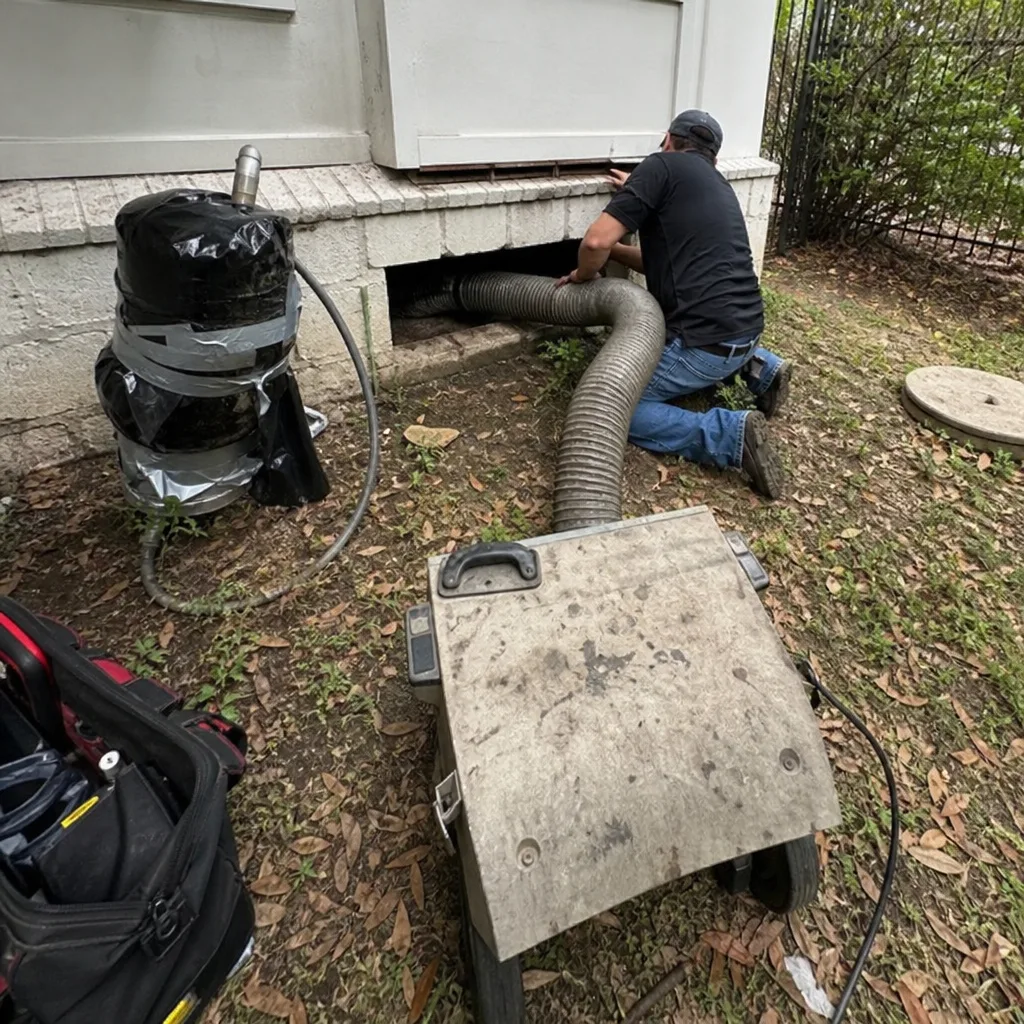 Before
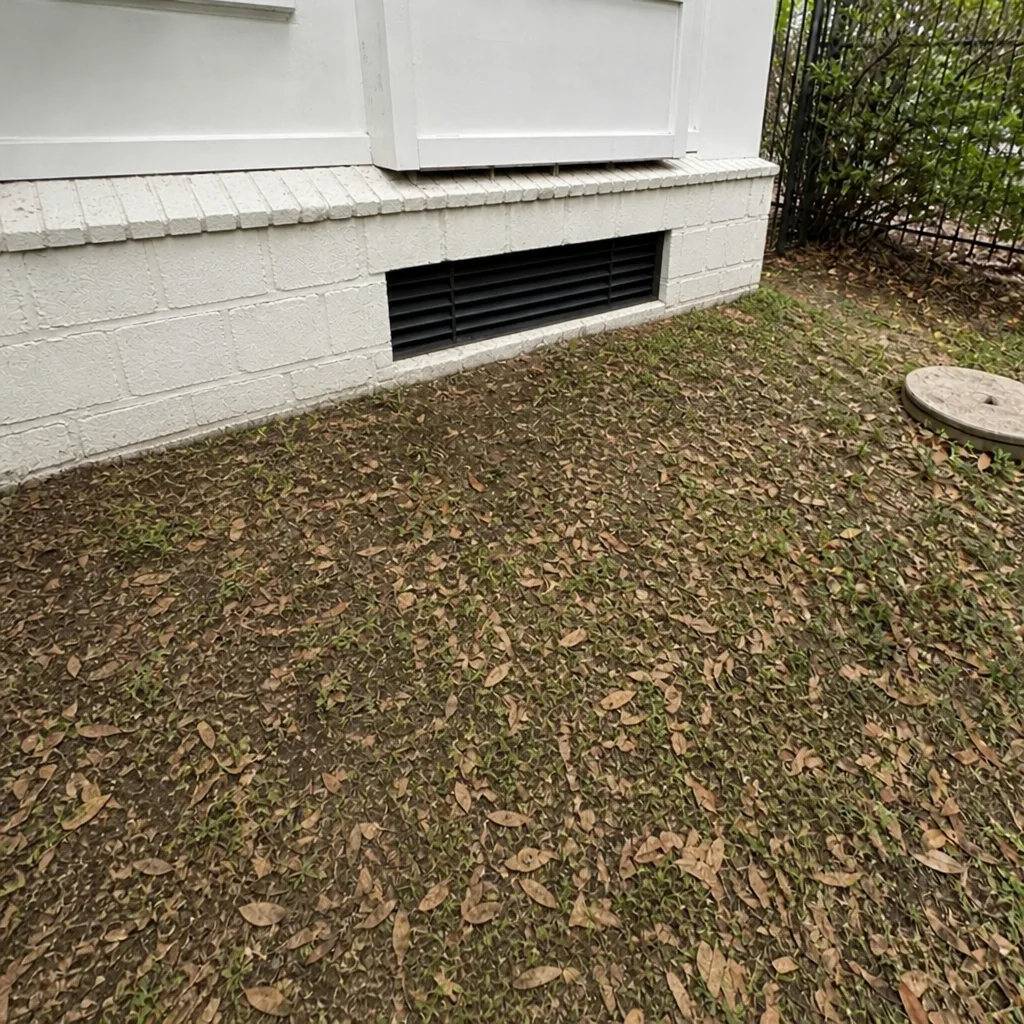 After
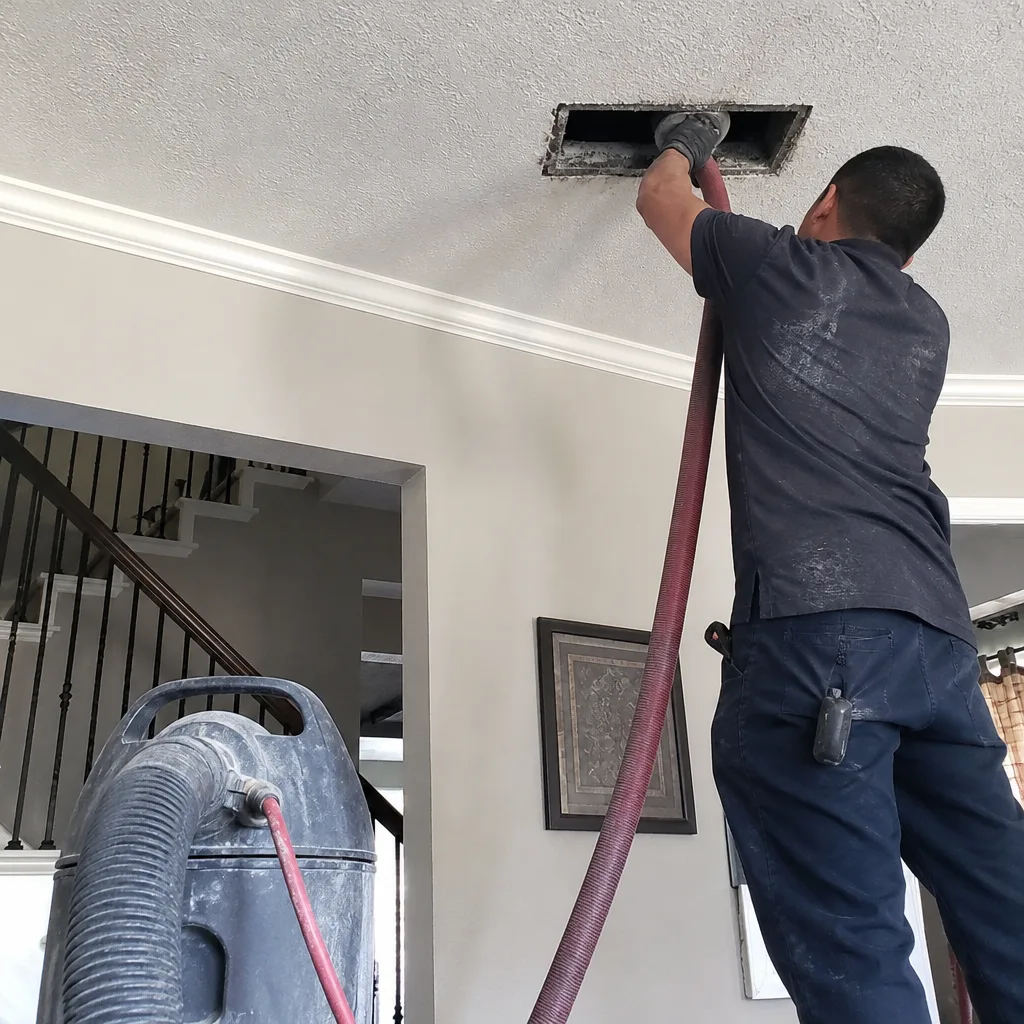 Before
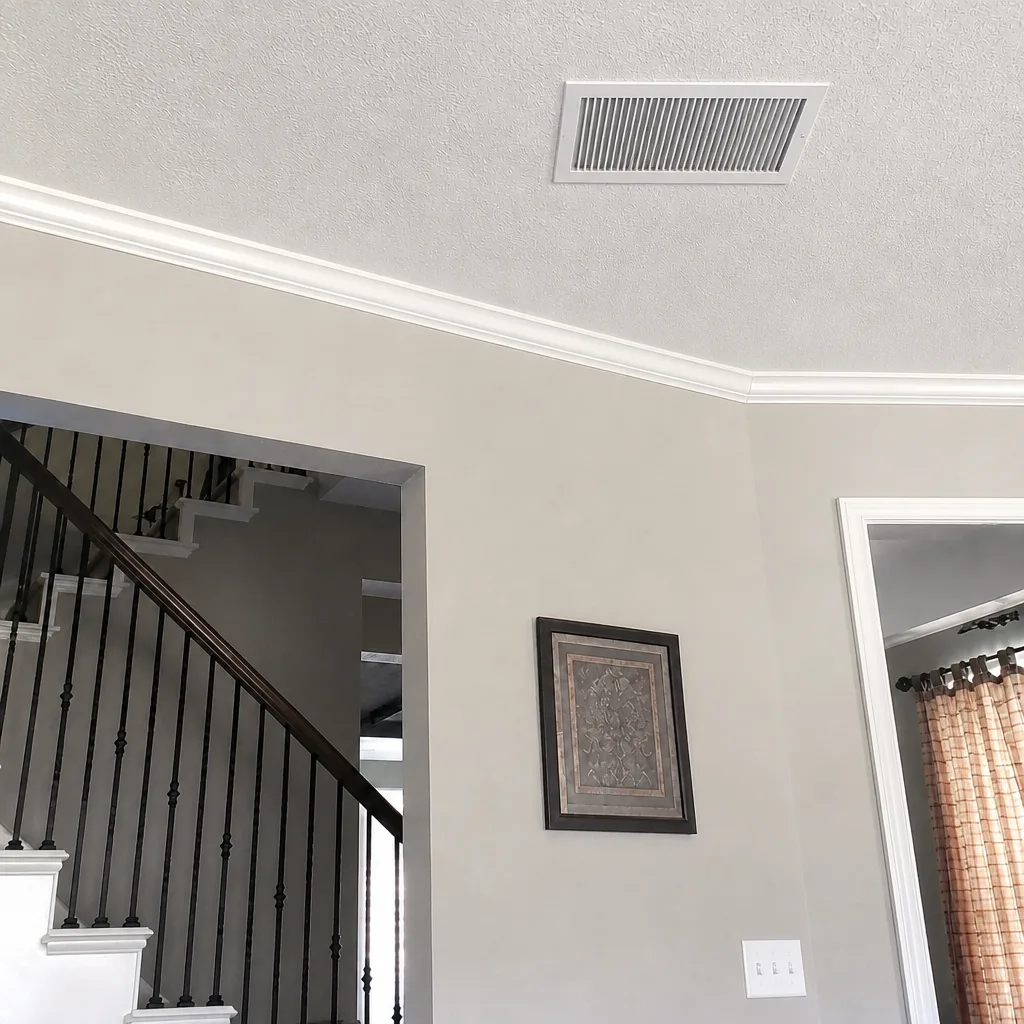 After
 Before
 After
When to Call a Professional
Call for professional duct assessment and cleaning after any of these: a fire or smoke event anywhere in the home; floodwater or standing water intrusion affecting the HVAC; a construction or remodeling project lasting more than a week or involving drywall sanding; visible soot or water staining at registers; musty or smoky odor when the system runs; a severe storm with visible roof or soffit damage; or unexplained allergy or respiratory symptoms that started after an event. Don’t run a system you suspect is contaminated. Air Duct Cleaning Uptown offers free estimates in Uptown. Call (833) 508-9172. We answer 24/7. Fast dispatch from 7am to 7pm, Sunday through Friday.
Frequently Asked Questions
Not until the ducts and air handler have been professionally cleaned and inspected. Turning the system on sooner pushes soot and combustion byproducts deeper into the ductwork and into rooms that survived the fire. Have a professional assess the system first, then clean, then have any duct repair and sealing work completed before restart. Call (833) 508-9172 to schedule the assessment – estimates are free.
Often yes, if the event is covered and you have documentation. Policies vary, so call your insurer to confirm, then have photos, a contractor report, and receipts ready. Duct cleaning that responds to a covered peril is usually treated differently from routine maintenance. Air Duct Cleaning Uptown can provide the written report your adjuster will need. Call (833) 508-9172 for a free estimate.
No. Ozone and deodorizers can mask or reduce the smell temporarily, but they don’t remove the combustion residue left on duct walls, the blower, and the coil. Until that residue is physically removed with contractor-grade cleaning equipment, the odor returns on the next heating or cooling cycle. Call (833) 508-9172 to book a duct assessment and cleaning.
Turn the system off and don’t restart it until the ducts and air handler have been assessed and dried. Warm, humid conditions after flooding make rapid microbial growth inside duct systems likely, so a professional assessment should include containment and HEPA filtration. Clean, then sanitize after cleaning, then repair and seal before the system runs again. Call (833) 508-9172 for a free estimate.
Routine cleaning intervals depend on your home and occupants, but the trigger after an emergency event isn’t the same as a maintenance schedule. After a fire, flood, or significant construction project, the system needs a documented assessment regardless of when it was last cleaned. Talk to a professional about your home’s specifics rather than relying on a general number. Call (833) 508-9172.
Usually because they skip containment, skip the documented report, or use consumer-grade equipment. After an emergency event, a cheap quote often means no HEPA containment, no camera inspection, and no repair and sealing work afterward. Ask what equipment they’ll use and whether a written report is included. The written estimate should set the final price before work starts. Call (833) 508-9172 for a free estimate.
The Bottom Line
Your duct system is a distribution network, and after a fire, flood, construction event, or severe storm, it carries contamination into every room. The playbook is simple even if the work isn’t: turn the system off, don’t use fans to dry contaminated areas, document before cleanup, have the system professionally assessed and cleaned with contractor-grade equipment, then repair and seal the ducts so the system holds. Keep a duct record before an emergency hits, know your shut-offs, and book the report your insurer will ask for. Air Duct Cleaning Uptown covers the full air pathway: air duct cleaning, dryer vent cleaning, HVAC cleaning, air sanitizing, and duct repair and sealing. Call (833) 508-9172 for a free estimate. We answer 24/7. Fast dispatch from 7am to 7pm, Sunday through Friday.
Written by the team at Air Duct Cleaning Uptown.