
Last updated November 23, 2026
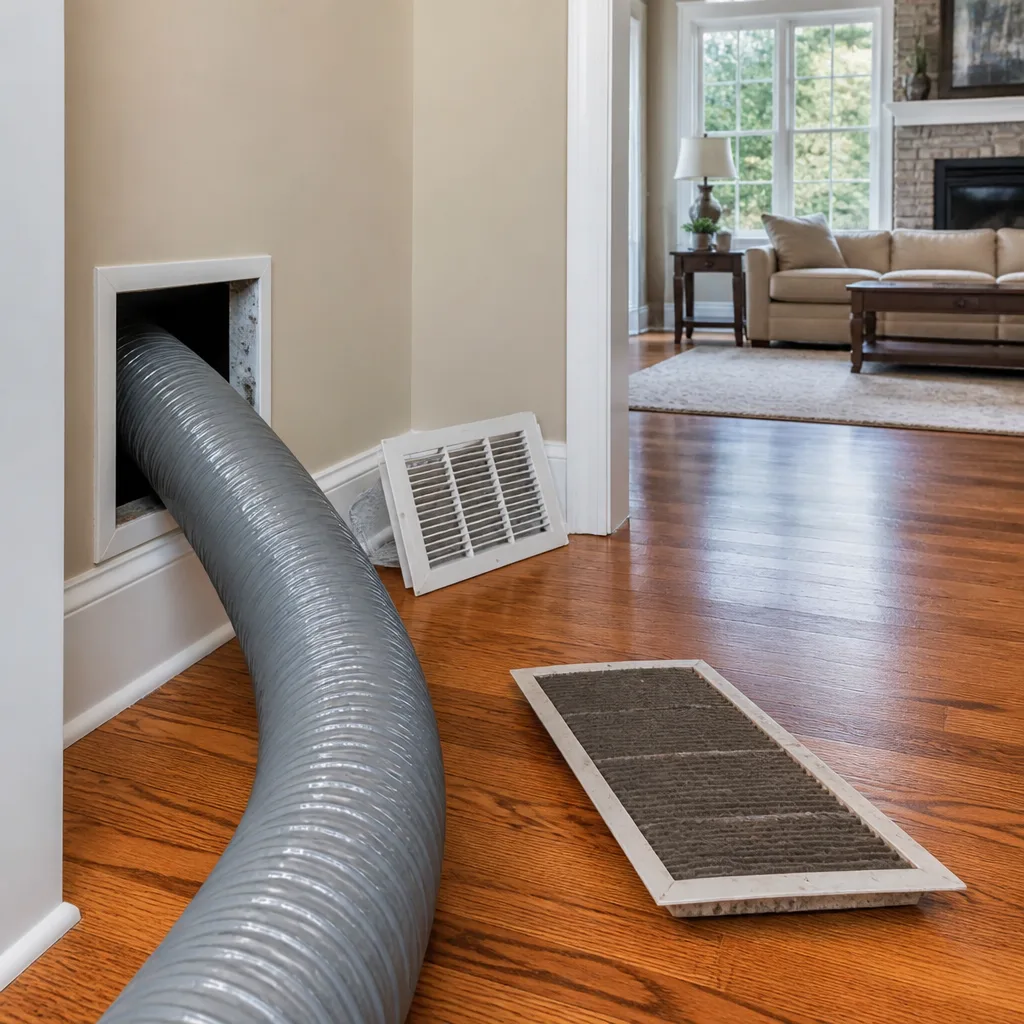 Whole-home duct cleaning
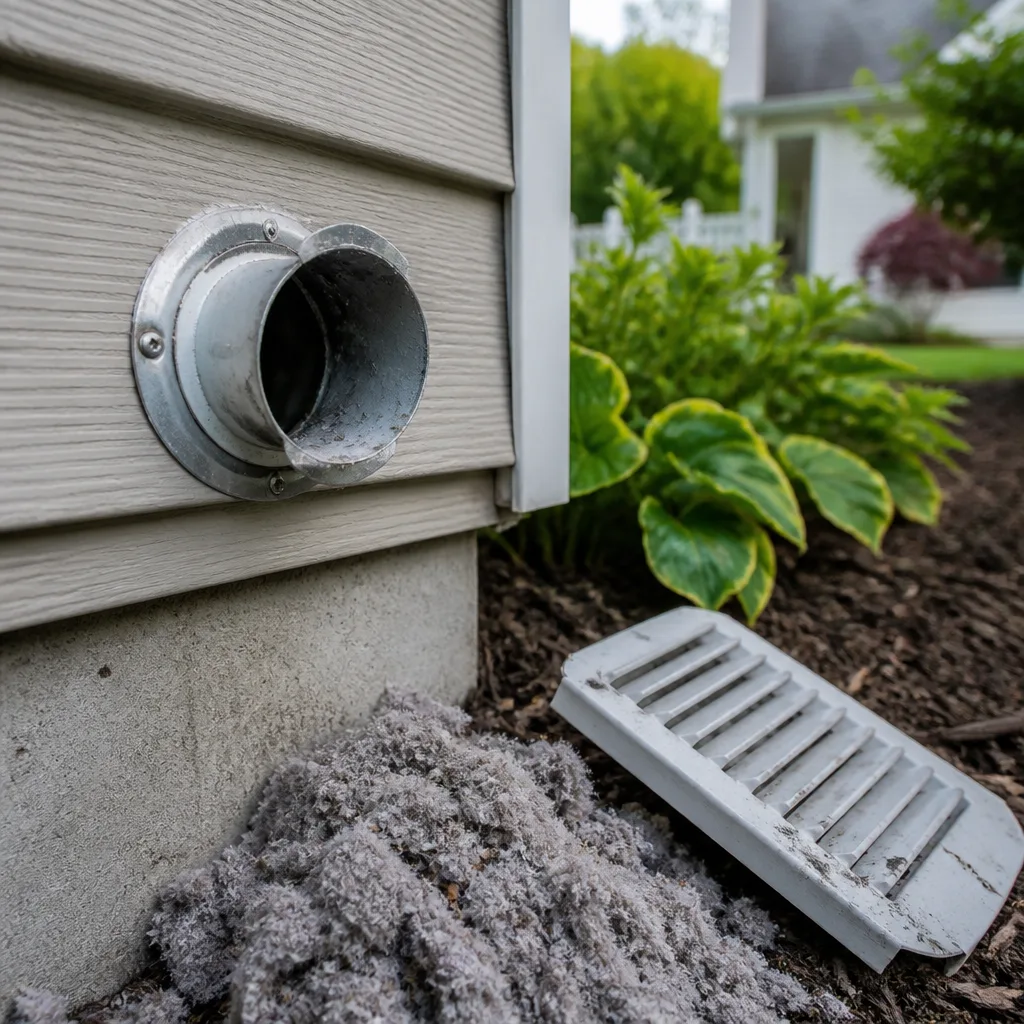 Dryer vent cleaning
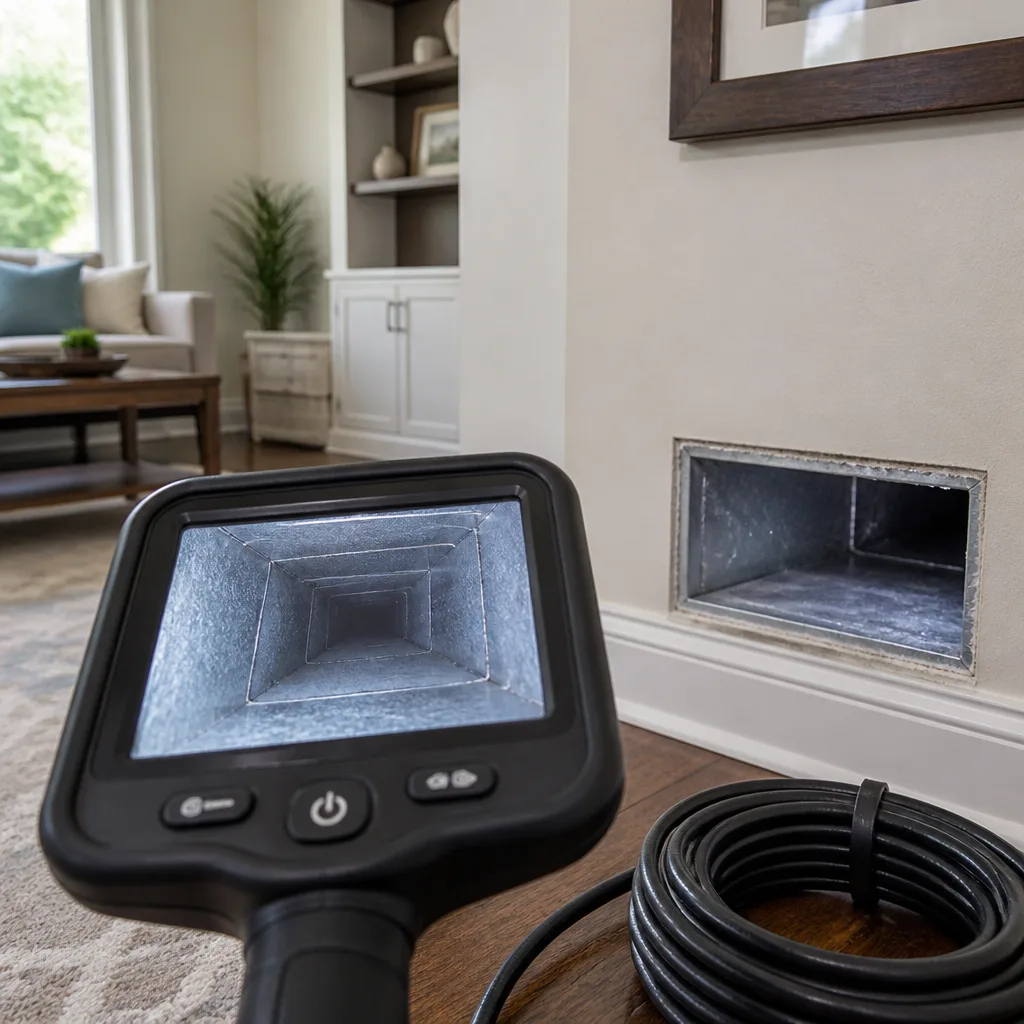 Camera inspection
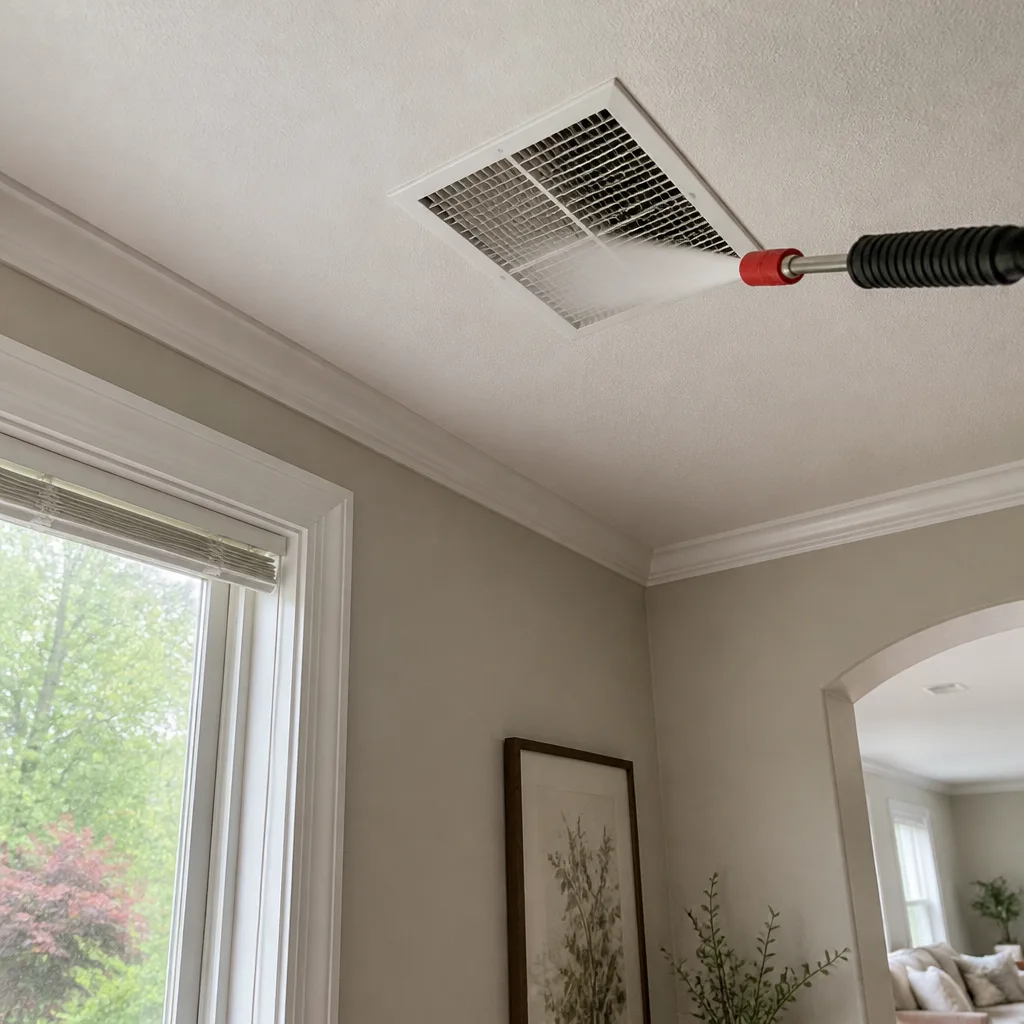 Sanitizing & deodorizing
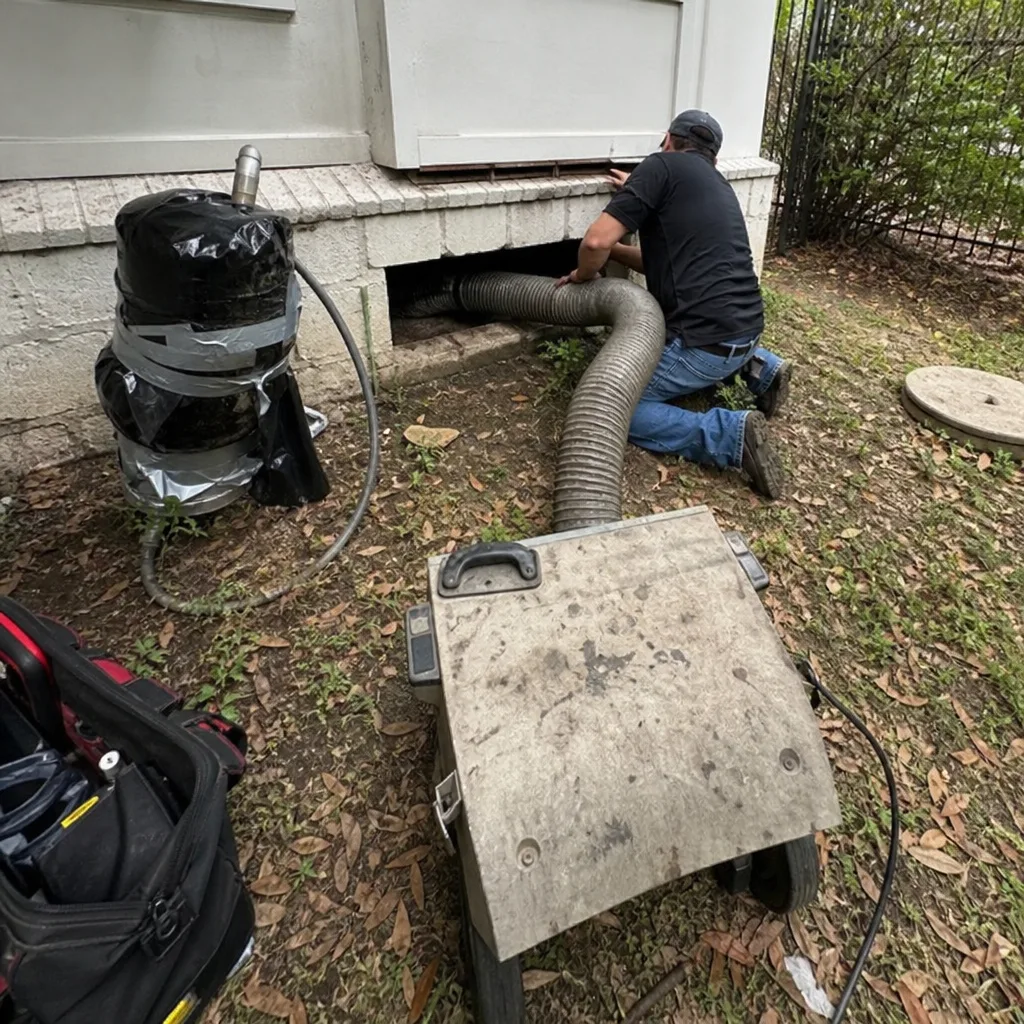
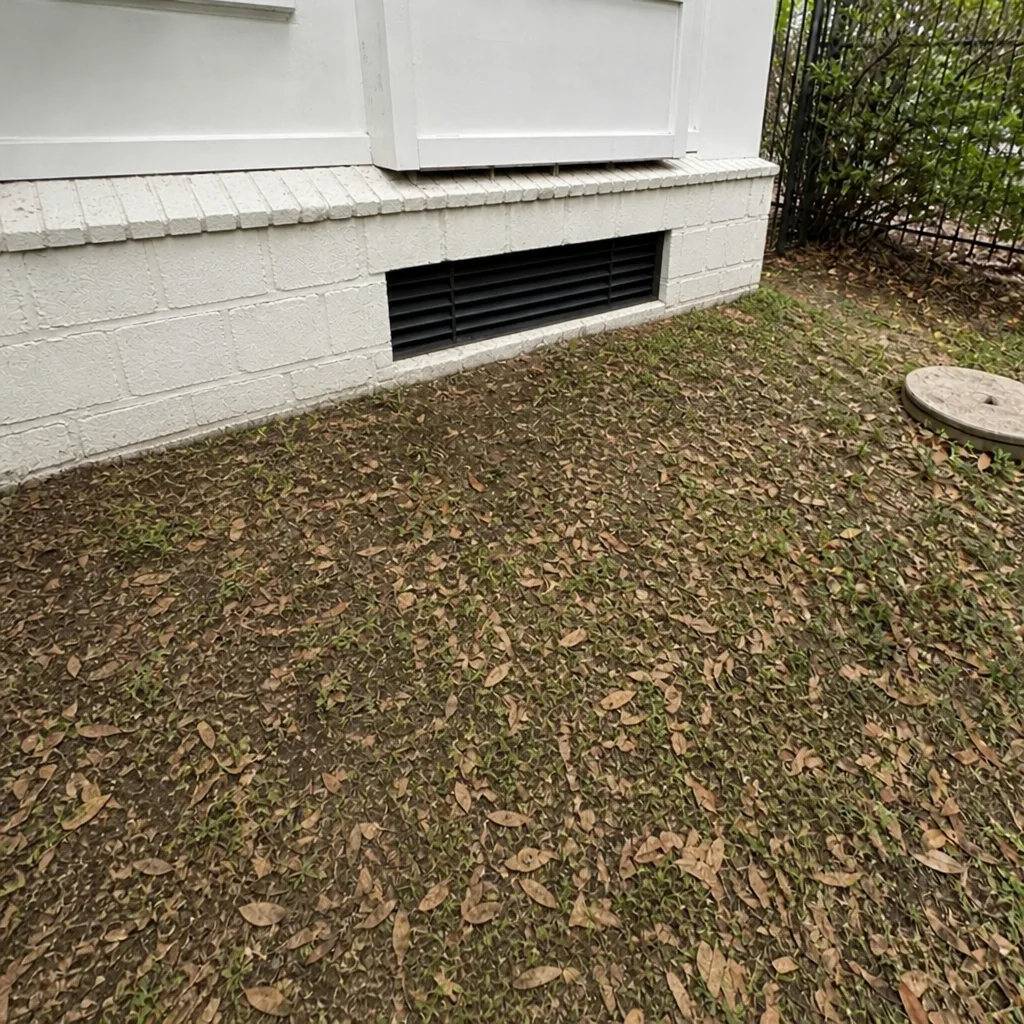
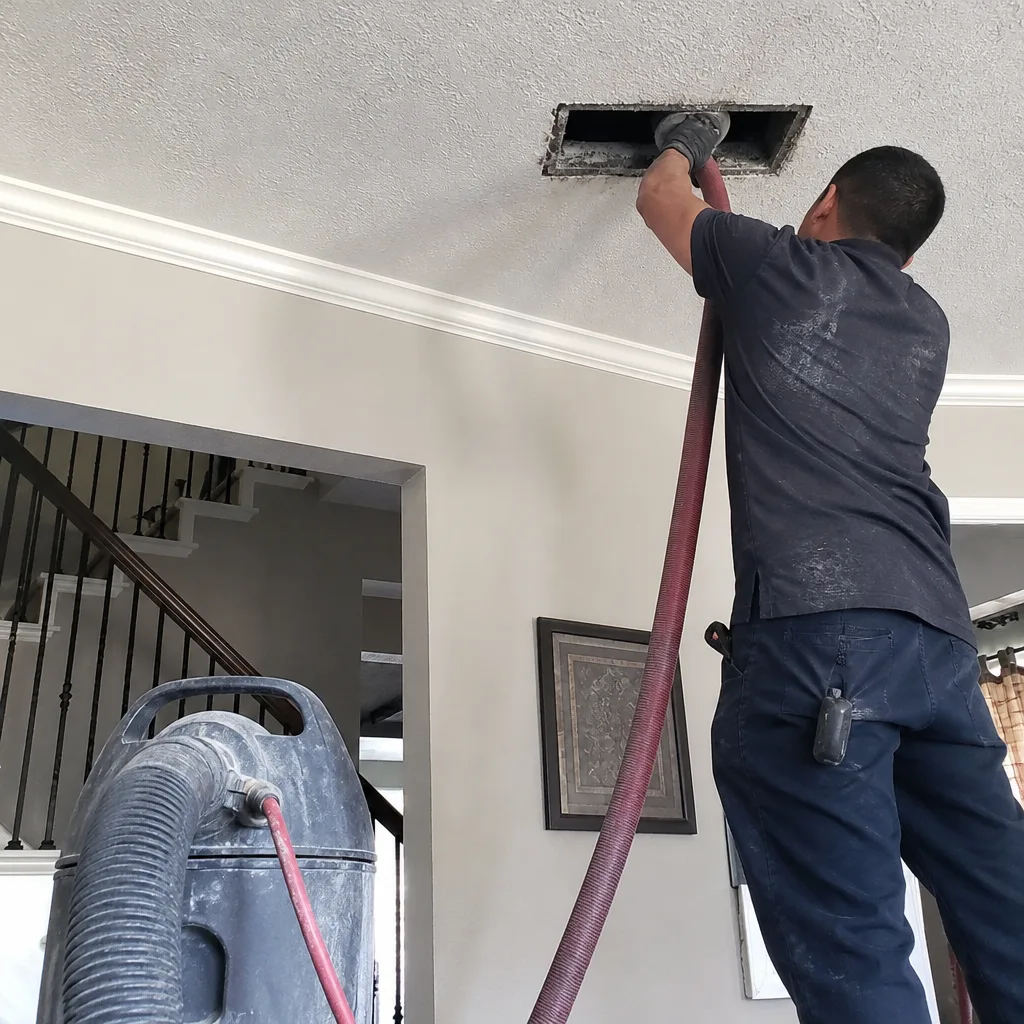
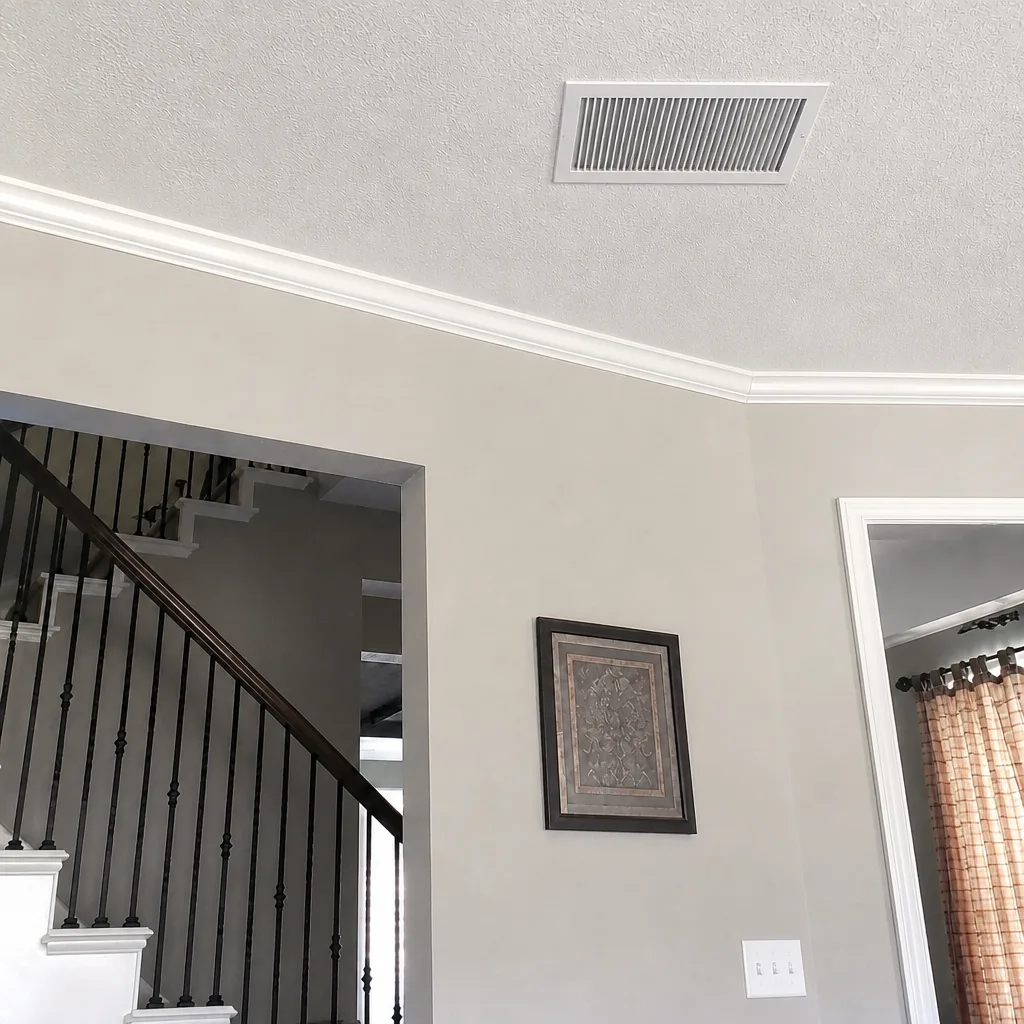
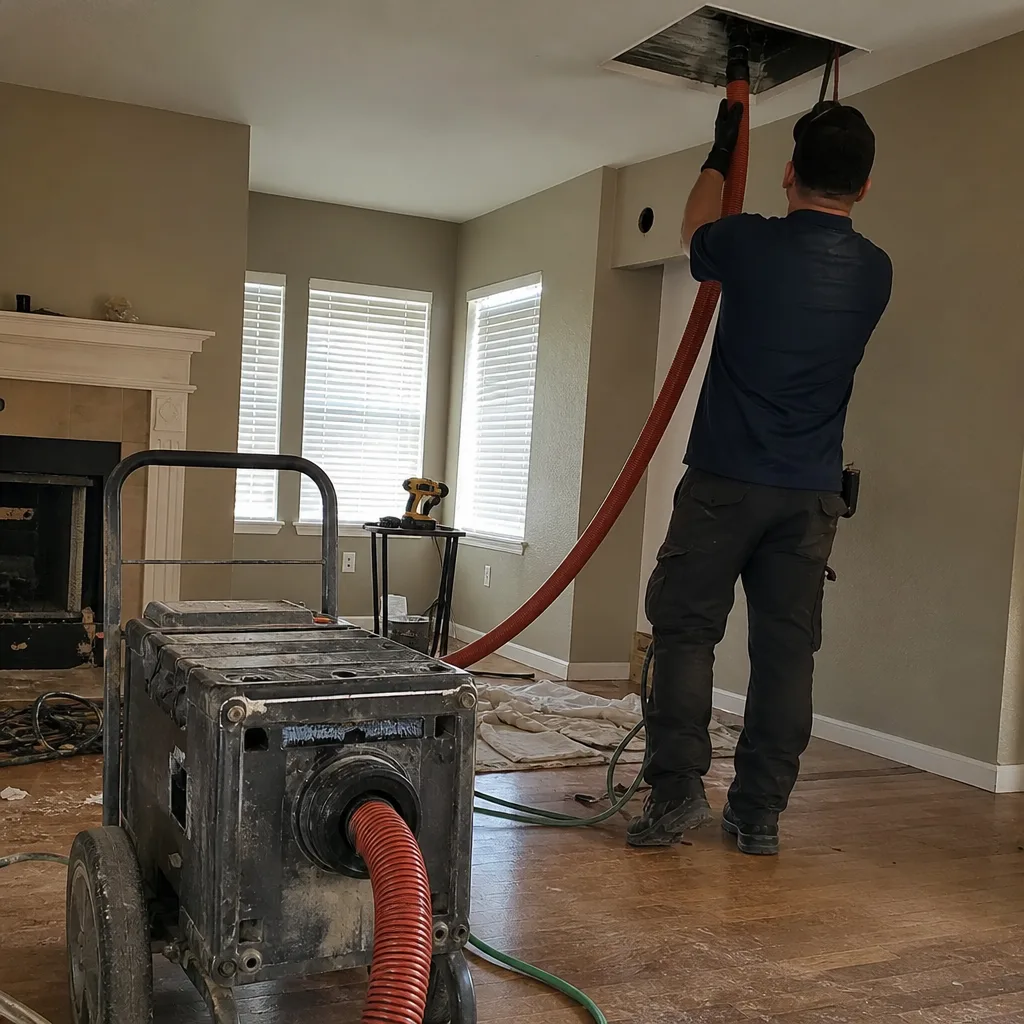
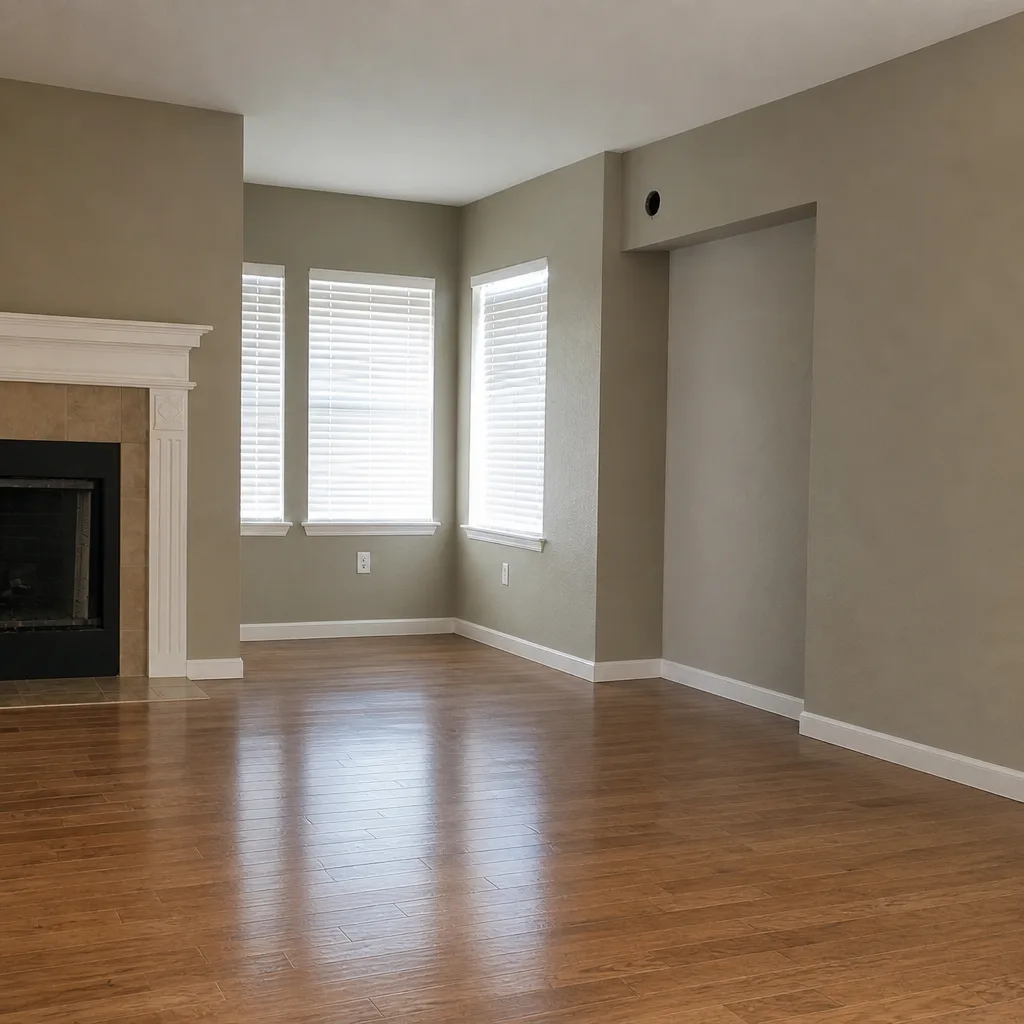
Whole-system duct and dryer vent check with before-and-after photos - you see exactly what came out of your vents
That "$99 whole-house special" is a bait ad - the real number appears once they are in your hallway, or the "clean" is a shop-vac at the register. We photograph the inside of your ducts before and after instead.
Air Duct Cleaning Warning Signs: An Uptown Homeowner’s Reference Guide
Most warning sign lists point you toward the obvious: dust on the vent cover, a visible puff when the air kicks on, a filter that looks like felt after three weeks. Those are real, but by the time dust is visible, the problem has usually been running for months. The subtler signals live inside how your HVAC system behaves. A register that pushes weak air. A system that runs longer than it used to. A smell that only shows up on the heating cycle. In this guide, we’ll show you how to read those behaviors as a diagnostic instrument, walk through what pressure, smell, runtime and utility bills each reveal, and explain when cleaning solves the problem and when it doesn’t. If you own or manage property in Uptown, this is the reference to keep.
Quick Answer
The most reliable air duct cleaning warning signs in an Uptown home are uneven room temperatures, weak airflow at supply registers, HVAC runtime that has crept up without a setpoint change, a musty or burning smell on startup, and utility bills that keep climbing despite steady usage. Visible dust is a late-stage sign, not an early one. If two or more of these appear together, the duct system needs an inspection, not another filter change.
Styles & brands we work with
- Whole-home duct cleaning
- Dryer vent cleaning
- Camera inspection
- Sanitizing & deodorizing
Table of Contents
- Pressure and Airflow: Reading Your Registers Like a Technician
- HVAC Runtime as a Warning Sign
- Smell Differentiation: Musty, Burning, and Chemical Odors
- Utility Bill Spikes and Duct Leakage Math
- The Signs You Can’t See: Contaminant Buildup and IAQ
- When Cleaning Isn’t Enough: Repair and Replacement Signals
- How a Professional Duct Inspection Works
- Common Mistakes to Avoid
Pressure and Airflow: Reading Your Registers Like a Technician
Every register in your home is a gauge. A technician walking through a house holds a hand to each supply and return, feels velocity and volume, and starts forming a picture of where the system is restricted before opening a single access panel. You can do the same walk-through without tools.
Start at the register closest to the air handler and work outward. Registers near the equipment should move the strongest air. If the closest register feels weak and a distant one feels weaker still, the restriction is likely at the equipment itself: a clogged evaporator coil, a collapsing return, or debris at the plenum. If the closest registers feel strong but one distant branch feels like a whisper while its neighbors are fine, the restriction is almost certainly inside that branch. That pattern, one weak register surrounded by normal ones, is the single most useful thing you can tell a technician when you call.
Three patterns worth memorizing:
- Strong at the equipment, weak at the far end of one branch: a partial obstruction or a crushed, kinked or disconnected length of duct in that run.
- Weak everywhere, with the system running: a return-side problem, an undersized filter, a dirty blower, or a filter that’s loaded and starving the whole system.
- Weak at some registers, normal at others, with a whistling sound at the doors or returns: pressure imbalance, meaning the system can’t get enough air back and is pulling from every crack it can find.
In Uptown’s cooling-heavy climate, the system spends most of the year pushing cold air through long attic runs, and those runs take heat gain from the space around them. Weak velocity plus cool air leaking into a hot attic is a common combination in older Uptown homes where ducts were run through unconditioned space. Airflow that feels weak isn’t a low-impact detail; it’s the first thing we measure on any air duct cleaning visit.
HVAC Runtime as a Warning Sign
Here’s the sign almost nobody tracks: how long your system runs to reach setpoint. If your system used to cool the house in 25 minutes and now needs 45, without a change in thermostat setting and without a change in the weather, something in the delivery system has degraded. Equipment loses efficiency slowly and steadily; ducts lose efficiency in jumps, usually when a joint opens, a run sags, or a filter is bypassing at the frame.
Track it for two weeks. Pick a time of day when the house has been closed up, note the setpoint, and time how long the system runs from call-for-cooling to the point where the compressor shuts off. Write it down. Then compare the second week to the first. A rising trend with steady weather is a strong airflow signal.
Why does restricted airflow stretch runtime? The system’s capacity is limited by heat transfer at the coil, and the coil can only transfer heat to air that actually passes across it. If the ducts deliver less air, the coil absorbs less heat, the supply air gets colder but moves more slowly, and the house takes far longer to reach setpoint. Meanwhile the compressor runs hotter and longer, and the blower motor works against a static pressure it wasn’t designed for.
In our experience, a system that runs longer than it used to but still cools eventually is often one filter change or one duct restriction away from normal behavior. A system that runs continuously and never reaches setpoint is a different situation and needs an HVAC inspection alongside the duct work. Both are worth a look before you assume the equipment is aging out.
Smell Differentiation: Musty, Burning, and Chemical Odors
Smell is the most underused diagnostic in the house. Three distinct categories of odor point to three different classes of problem, and the distinction matters because the fix is different for each.
Musty or earthy odors point to microbial growth. That growth needs moisture, and in Uptown’s humid cooling season the dampest part of any duct system is usually the evaporator cabinet and the insulation lining of the return, where cool air meets humid return air. Musty smell at first startup is common and fades; musty smell that persists for the whole cycle suggests the growth is in the ductwork itself, not just the coil pan. Cleaning is the first step, but sanitizing the system with a treatment product (Guardsman is one of the treatment categories we use) is what addresses the source.
Burning or scorched odors are the one category that deserves immediate attention. That smell usually means debris has collected near the heat exchanger or on the elements of a heat strip, and it’s literally cooking. Turn the system off at the thermostat, and have a technician inspect before running it again.
Chemical or “new carpet” odors point to off-gassing from contaminant buildup, particularly in homes where renovation dust, adhesive residue, or coatings have been pulled into the return. That smell tends to show up when the system first starts and fades as the air moves, which is exactly the signature of a reservoir of material sitting in the ductwork.
If you can name your smell precisely – musty, burning, chemical – you’ve already narrowed the diagnosis before anyone opens a panel. That’s the kind of head start we want from every call into Air Duct Cleaning Uptown.
Utility Bill Spikes and Duct Leakage Math
A rising bill is easy to dismiss as “the weather has been hot.” And in Uptown, that’s often true. But the useful signal isn’t the bill level, it’s the shape of the change. A bill that climbs in step with outdoor temperature is expected; a bill that climbs while the weather has been flat is not. Compare three months of bills against three months of weather data and look for weeks where the weather stayed steady but the bill increased.
Here’s the mechanism. Duct leakage does two things at once in a cooling climate: it dumps conditioned air into an attic or wall cavity, and it pulls hot, humid outdoor air back in through the return-side leaks. The system pays to cool air it never delivers, and pays again to dehumidify air that shouldn’t have been inside the envelope. In a hot climate, both effects stack.
You can’t put a reliable dollar figure on that from the outside, and anyone who quotes you one is guessing. What you can do is treat a steadily rising bill paired with rising runtime and one or two weak registers as a combined signal that points toward leakage and restriction rather than equipment. Two of those three together is a call to schedule an inspection. All three is a call to schedule it today.
One practical note for Uptown properties: register-sealing and duct-sealing work is easy to schedule and doesn’t require moving out. If the math is pointing that way, mention it when you call and we’ll quote cleaning and sealing together so you’re comparing the whole fix, not two separate estimates.
The Signs You Can’t See: Contaminant Buildup and IAQ
Some of the strongest evidence comes from people rather than equipment. If allergy symptoms have worsened inside the home and improve when you travel, that’s a data point. If two members of a household develop the same complaint in the same rooms, that’s a stronger data point. If a newborn or a household member with asthma is in the house, the bar for “let’s get this inspected” should get lower, not higher.
Other invisible signs worth tracking:
- Dust settling faster than it used to on the same surfaces, especially dark dust near supply registers.
- Static or “dry air” complaints inside the house alongside elevated cooling bills.
- Black speckling around register frames, which usually means bio-growth at the register boot where conditioned air meets ambient air.
- A dryer that takes longer to dry the same load, which is a separate system but often the first sign a homeowner notices in a house where duct cleaning is overdue.
The reason these signs matter is that surface dust doesn’t tell you much; the accumulated material inside the ducts and on the coil is what your system is recirculating eight or ten hours a day. That’s the layer we’re measuring when we arrive. Contractor-grade equipment matters here – a shop vacuum can’t pull material off a coil face or out of a flex run. On any Uptown visit we run a Rotobrush or Nikro system, and for contaminated systems we bring Abatement Technologies filtration into the workflow.
When Cleaning Isn’t Enough: Repair and Replacement Signals
This is the honest part most guides skip. Sometimes cleaning the ducts solves the problem. Sometimes cleaning the ducts reveals a problem that cleaning can’t fix. Knowing the difference is what separates a real inspection from a coupon service.
Cleaning is sufficient when the system is intact and the restriction is material buildup. That’s a contamination problem, and a thorough clean plus sanitizing resolves it.
Cleaning is not sufficient, and repair or replacement is required, when:
- The duct runs are physically compromised. Sagging flex, crushed sections, disconnected joints, or flex runs that have torn open. Cleaning a torn run just releases more debris into the surrounding space.
- The system is significantly undersized or badly zoned. No amount of cleaning fixes a system that was never going to distribute air evenly in the first place.
- Panel joints aren’t sealed. Cleaning a leaky system without sealing the leaks is a treadmill; the leaks pull new contaminants in through the same gaps.
- There’s standing moisture in the system. Microbial growth that’s being fed will return after cleaning unless the moisture source is addressed.
- The evaporator coil is heavily fouled and inaccessible. Coil cleaning is its own job and often has to happen alongside duct cleaning for either to work.
The fix for the first four is HVAC cleaning plus duct repair and sealing, not cleaning alone. That’s why we offer both, and why we’ll tell you when the right answer is repair. Cleaner air starts with a closed, sealed system.
How a Professional Duct Inspection Works
An inspection should tell you what’s actually wrong, not just confirm you need cleaning. Here’s the sequence a professional inspection should follow, so you know what to expect when you schedule one in Uptown.
- Walkthrough and register readings. Every supply and return is checked for velocity and volume, and the pattern of strengths and weaknesses is recorded before any equipment is opened.
- Filter and equipment check. Filter condition, filter fit, blower condition, and coil condition are reviewed, because these sit upstream of the duct delivery and can create most of the symptoms you’ve noticed.
- Access panel installation. Access panels go wherever the system needs to be seen: plenum, main trunk, branch transitions, and the evaporator cabinet.
- Visual inspection with a camera. Runs are inspected for contamination, moisture, loose joints, and crush points.
- Leak check. Joints, boots, and transitions are checked for what a pressure test would show: where the supply is losing air and where the return is pulling it in.
- Written findings. You get a list of what’s present, what’s not, and what the recommended fix is, with a flat price per system for the work quoted.
That last part matters. We quote per system, in writing, before work starts. No per-vent pricing, no coupon that turns into a bigger invoice on the day. You see before-and-after photos of your own ducts when we’re done, which is the only way to actually know the work was done.
Common Mistakes to Avoid
- Judging duct condition by what you can see at the register. The buildup that matters is inside the runs and on the coil. A clean register cover proves nothing.
- Booking on price alone. The lowest quote in Uptown is almost always a surface vacuum with consumer equipment. Contractor-grade equipment costs more to run, and it’s what gets the material out of a flex run or off a coil face.
- Cleaning without addressing leaks. A leaky system recontaminates the cleaned ductwork, usually within a season. Seal the system or the clean won’t hold.
- Treating a musty smell with a spray product. Odor masking doesn’t address the moisture and growth behind it. Sanitizing the system with a treatment product, then finding and fixing the moisture source, is the actual fix.
- Ignoring rising runtime because the system “still cools.” A system reaching setpoint is not the same as a system operating efficiently. Rising runtime on steady weather is the signal to schedule an inspection.
- Replacing the HVAC unit before inspecting the ducts. A new unit tied to restricted or leaky ductwork will run longer than it should from day one. Inspect the ducts before you sign for equipment.
- Skipping the dryer vent. It’s a separate system, but in Uptown homes it’s the one vent that homeowners notice after they notice their ductwork. Longer drying times and a hot dryer cabinet are signals worth checking with dryer vent cleaning.
See the difference
 Before
 After
 Before
 After
 Before
 After
When to Call a Professional
Call a professional when you have two or more of the signals in this guide appearing together, when a burning smell shows up on the heating cycle and the system is shut off at the thermostat, when a musty smell persists through the whole cycle rather than fading after startup, or when runtime has clearly stretched while weather has stayed steady. Call after any renovation that generated fine dust, since renovation debris is pulled into returns. And call if you’ve never had the system inspected and you’ve noticed any of these signs at all. Air Duct Cleaning Uptown offers free estimates in Uptown; call (833) 508-9172 for yours. We answer 24/7, and we dispatch technicians Sunday through Friday, 7am to 7pm.
Frequently Asked Questions
Pricing is set per system, in a written estimate, before work begins. Costs depend on the number of systems, the length of runs, whether access panels are needed, and whether repair, sealing, or sanitizing is part of the job. We don’t quote per-vent, and we don’t quote coupons to win the call. Call (833) 508-9172 for an exact quote; estimates are free.
Because they’re quoting less work. Consumer vacuums and one-pass surface cleaning don’t get material off a coil face or out of a flex run, and they don’t seal leaks that pull new contaminants right back in. A cheap quote is usually a surface pass, not a system clean. The written estimate and the before-and-after photos are how you tell the difference.
Ask for before-and-after photos of your own ducts, not stock images, and ask to see where access panels were installed. On any Air Duct Cleaning Uptown visit, photos come as standard. If a company can’t show you your own system, that’s the answer.
It depends on the system, the household, and whether there are pets, allergies, or recent renovation. The working rule we use is that the system should be inspected when the warning signs in this guide appear. A house with no signs after several years doesn’t need cleaning on a schedule; a house with two or three of these signs needs it now. Call (833) 508-9172 when you’re ready to schedule.
Yes. Duct repair and sealing is a core service, not an add-on. When the inspection shows the restriction or the leak is the real problem, that’s the fix. We also handle HVAC cleaning and air sanitizing, so the whole air pathway gets addressed in one visit instead of three separate contractor calls.
After. In Uptown, a new unit tied to restricted ductwork runs longer and works harder than it should from the day it’s installed. Have the ducts inspected first, so any duct repair or sealing happens while the system is already open. Call (833) 508-9172 and we’ll tell you what the inspection shows.
The Bottom Line
The warning signs that matter most are the behavioral ones: uneven rooms, weak registers, rising runtime, rising bills, and smells you can name. Those show up months before visible dust does. Read them together rather than one at a time. When cleaning is the fix, it’s a clean, sanitize, and protect job. When it isn’t, duct repair and sealing are the actual work, and any inspection worth the name will tell you which. In Uptown’s cooling climate, where the system runs most of the year, the difference between a clean system and a compromised one gets paid on every cycle. We don’t just clean – we diagnose, repair, and protect.
If any of the signs in this guide match what you’re seeing at home, call Air Duct Cleaning Uptown at (833) 508-9172 for a free estimate. We answer 24/7. Fast dispatch from 7am to 7pm, Sunday through Friday. Our technicians have up to 12 years of experience, and we use Rotobrush and Nikro systems on every job.
Written by the team at Air Duct Cleaning Uptown.