
Last updated November 23, 2026
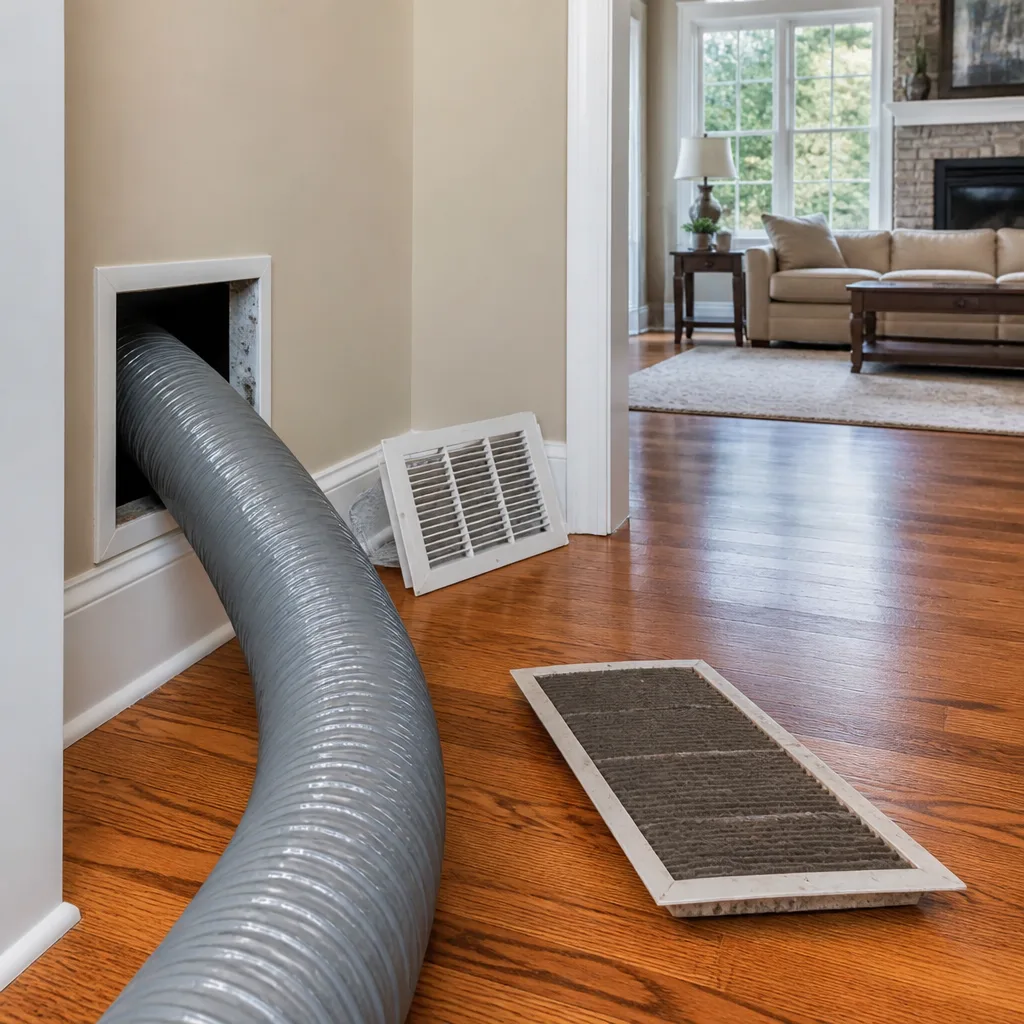 Whole-home duct cleaning
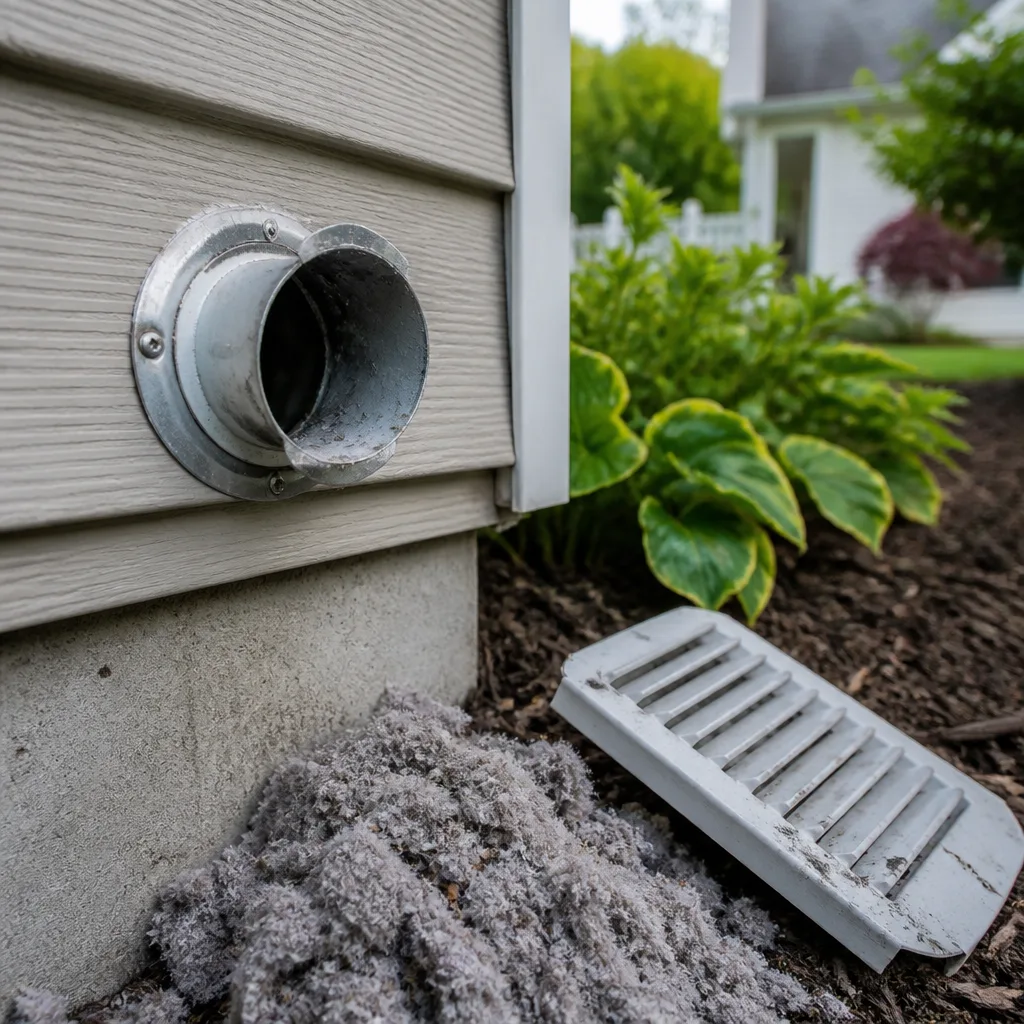 Dryer vent cleaning
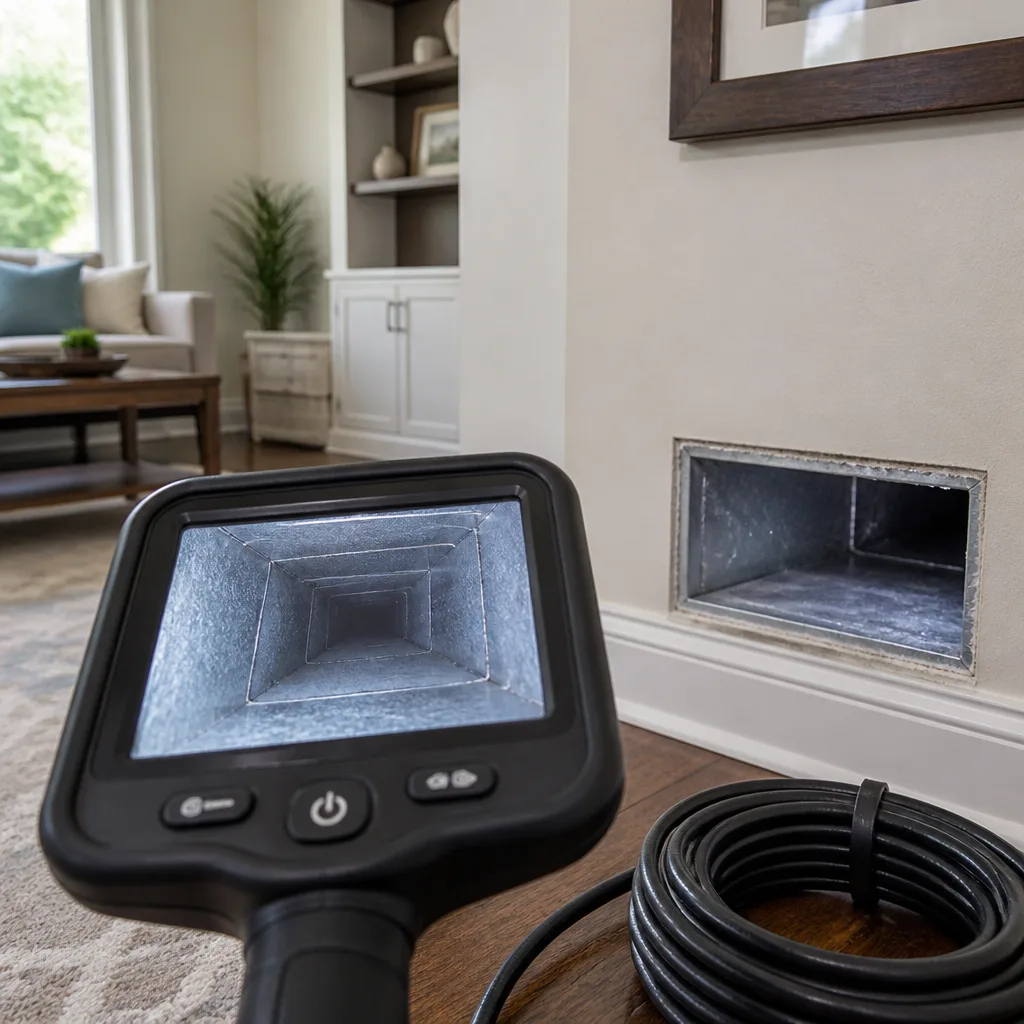 Camera inspection
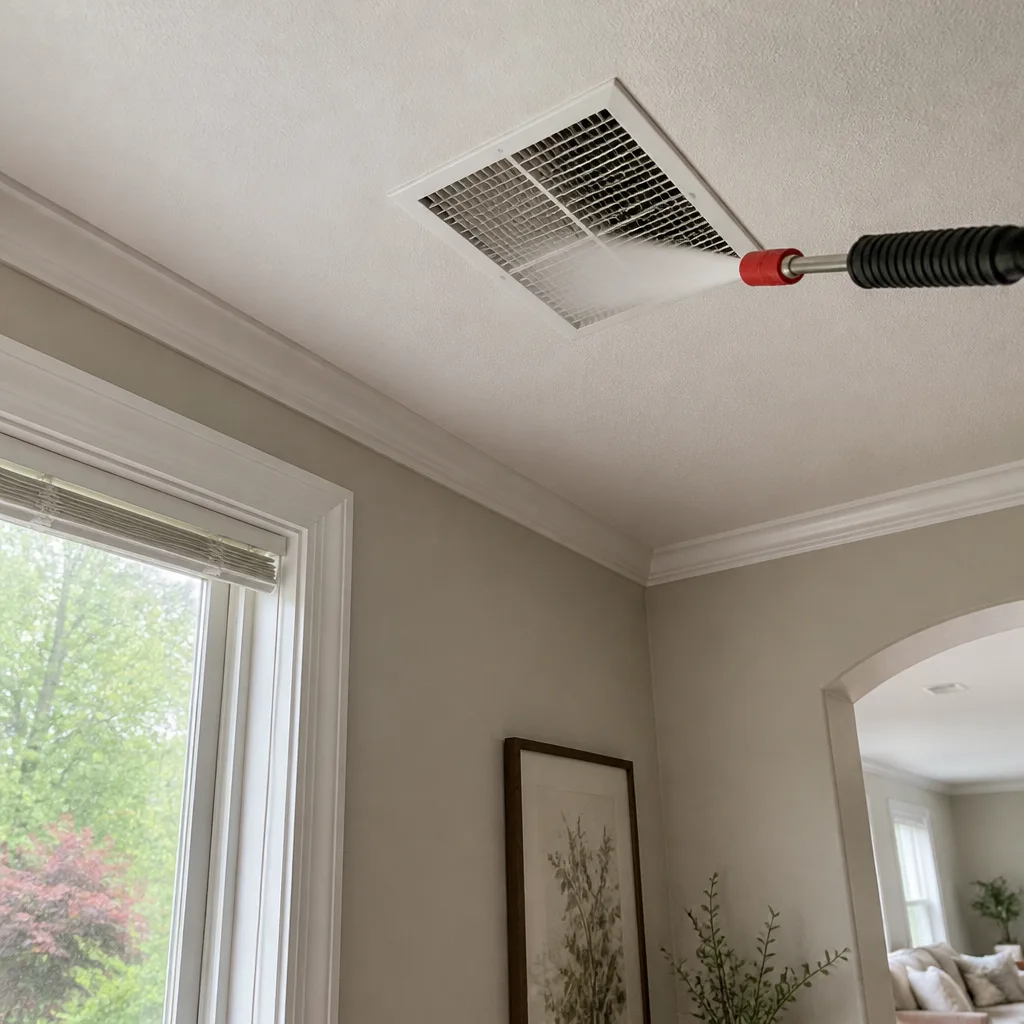 Sanitizing & deodorizing
Whole-system duct and dryer vent check with before-and-after photos - you see exactly what came out of your vents
That "$99 whole-house special" is a bait ad - the real number appears once they are in your hallway, or the "clean" is a shop-vac at the register. We photograph the inside of your ducts before and after instead.
Air Duct Cleaning Maintenance Checklist for Uptown Homeowners
Replacing a filter in August, after Uptown’s peak cooling load has passed, means the dirtiest air of the year has already moved through your system unchecked. That’s the quiet problem with most duct maintenance advice: it tells you what to do but not when. Timing is everything in North Texas, where the cooling season runs long, the pollen calendar has its own rhythm, and construction dust around Uptown settles differently by the month. This guide maps specific tasks to your HVAC system’s seasonal load cycles so you’re checking the right things at the right time. You’ll get visual checkpoints you can handle yourself, photo documentation methods that build a baseline, filter selection guidance, and clear thresholds for when a checklist item needs a professional rather than a flashlight.
Quick Answer
A duct maintenance checklist for Uptown homeowners is a seasonal calendar, not a one-time to-do list: inspect and document your system in early spring before cooling season, again in fall before heating season, and after any major weather event. Year-round, check filters monthly, watch registers for discoloration or debris, and photograph accessible duct points to track condition over time. Anything past the visual stage – internal debris, disconnected joints, musty odors that persist after cleaning – crosses into professional territory.
Styles & brands we work with
- Whole-home duct cleaning
- Dryer vent cleaning
- Camera inspection
- Sanitizing & deodorizing
Table of Contents
- Why Timing Matters More Than the Task List
- Before Cooling Season: The Pre-Summer Inspection
- Before Heating Season: The Pre-Winter Inspection
- After Major Weather Events
- Visual Checkpoints vs. Professional-Only Items
- Tracking Duct Condition Over Time
- Choosing the Right Filter MERV Rating for Uptown
- When a Checklist Item Becomes a Service Call
Why Timing Matters More Than the Task List
A checklist is only as good as its calendar. Cleaning a return grille in February catches very little because the heaviest dust and pollen load in Uptown comes later, when the system pulls outdoor air and recirculated dust through at full demand. Inspecting duct joints in November tells you less than checking them in early spring, before months of continuous cooling airflow either widen a gap or leave it stable.
North Texas gives Uptown a long cooling season and a short, mild heating season. That asymmetry changes everything about maintenance timing. Your system spends most of its operating hours in cooling mode, pulling warm, humid air through the return side and pushing conditioned air out through the supply side. The load peaks from late spring through early fall. That’s when filters load fastest, when condensation forms on cold supply registers, and when any weakness in the duct system – a loose joint, a compressed flex run, a poorly sealed takeoff – shows its effects most clearly in uneven room temperatures and higher energy bills.
The heating season matters too, but differently. In heating mode your system runs shorter cycles at higher supply temperatures. Dust that settled through the cooling season gets lifted again on first use, which is why the first cold snap often produces a burnt-dust smell. That’s not a sign of a problem by itself. But inspecting before heating season tells you whether that smell is just settled dust or something that needs attention inside the system.
The practical takeaway: schedule your headline inspections around the transitions into cooling and heating season, and treat the months between them as monitoring time rather than action time. That single shift – from a flat to-do list to a load-aware calendar – is what separates maintenance that catches problems early from maintenance that just goes through the motions.
Before Cooling Season: The Pre-Summer Inspection
Run this inspection in early spring, before you start running the air conditioner steadily. The goal is to confirm the system is clean and sealed before it enters its heaviest operating period. If you find something off, you have time to fix it before demand peaks.
- Replace or clean the filter. Start the cooling season with a fresh filter so you’re measuring the season’s load, not last year’s residue.
- Check every supply and return register. Look for dust buildup on the grille face, discoloration around the frame, and any loose screws or sagging covers.
- Open a few accessible registers and shine a light inside. You’re looking for visible dust buildup on the first few inches of the duct interior, not deep inspection.
- Walk the accessible duct runs. In a garage, attic, or utility closet, check that flex duct is supported, not kinked, and that joints are connected.
- Confirm condensate drainage. A clear drain pan and drain line prevent the standing water that feeds biological growth in the air stream.
- Photograph each checkpoint using the documentation method covered later in this guide.
- Test airflow room by room. Hold a tissue or your hand at each register and compare. Weak spots often point to a crushed run or a leak upstream.
If the pre-summer inspection turns up visible debris past the first few inches, or a joint that’s clearly separated, that’s your cue to get the system looked at by someone with contractor-grade extraction equipment before the season starts. Cleaning out the whole pathway – not just the grille face – is the difference between a system that enters summer clean and one that spreads what it collected all winter.
Before Heating Season: The Pre-Winter Inspection
Sometime in early fall, before you switch to heat, repeat the inspection cycle with a heating-season focus. The tasks overlap with spring, but the emphasis shifts.
- Filter first. Swap it before first use so you’re not pulling a season’s worth of dust through the blower on the first cold morning.
- Smell test. Run the fan briefly and note any odor. A mild burnt-dust smell that fades is normal. A musty or persistently earthy smell points to moisture somewhere in the system.
- Check for condensation or staining around supply registers, especially in rooms that stayed warm during the cooling season.
- Re-check the accessible duct runs after a summer of continuous operation. Joints that were stable in spring may have worked loose.
- Look at the return side for accumulated dust or debris that collected through the cooling season and would be drawn back into the air on first heat.
- Update your photo log at each checkpoint so you have a seasonal comparison, not just a one-time snapshot.
In Uptown, the gap between the end of cooling season and the first real heating demand is the easiest window to catch anything the summer load exposed. Take it seriously and the system goes into winter with fewer unknowns. The whole point of a pre-winter inspection is to find the loose joint or the dusty return before it becomes a comfort complaint in January.
After Major Weather Events
North Texas weather earns its reputation. Powerful spring storms, hail events, and sustained high winds can affect a duct system in ways a seasonal checklist won’t catch. After any major weather event in Uptown, add a short post-event inspection to your calendar.
- Check the roof and exterior penetrations for visible damage that could allow water or debris into the attic and duct area. This is a visual check from the ground or from a safe interior vantage point, not a roof climb.
- Look for new water stains on ceilings, around supply registers, or in the attic at duct connections.
- Re-check register airflow. A sudden drop in airflow to one or more rooms after a storm often points to a duct that came loose or was crushed.
- Check for new debris at return grilles, which can pull in dust and material stirred up by wind and yard work.
- Note any new odors that appeared after the event and add them to your photo log with a date.
The professional rule here is simple: any storm that causes visible damage near ductwork, or any post-storm change in airflow or odor that persists, deserves a proper inspection with equipment that can see inside the system. A visual check tells you something changed. It doesn’t tell you what’s happening inside the duct run where you can’t see.
Visual Checkpoints vs. Professional-Only Items
Knowing which checks belong to you and which belong to a technician keeps you from either overreaching or missing the signs that matter. Here’s the split.
What you can check yourself:
- Register discoloration, dust on grille faces, and dust trails on ceilings or walls near registers
- Condensation on supply vents during cooling season
- Perceived airflow difference room to room
- Odors at first use each season
- Visible dust at the first few inches inside an accessible register
- Visible condition of accessible flex duct runs and their connections
- Filter loading and filter replacement timing
What requires professional tools:
- Debris deeper than the first few inches inside the duct run
- Interior joint separation that isn’t visible from the register
- Microbial growth or persistent musty odor
- Duct leakage that affects efficiency but doesn’t show at the surface
- Contamination requiring filtration-grade equipment to address safely
- Any situation where the system has been drawing in construction or renovation dust
The boundary isn’t about skill. It’s about equipment. Reaching inside a duct past the first few inches with a household vacuum doesn’t clean it, and it can disturb settled material into the air stream. Contractor-grade extraction systems use negative pressure and rotating brushes to pull material out rather than stir it up. When a checkpoint shows a problem, your job is to document it clearly and call in the right tools.
Tracking Duct Condition Over Time
The most useful thing you can do for your duct system costs nothing but a phone camera. Build a photo log so future you (and any technician you call) has a baseline to compare against.
- Choose fixed checkpoints. Pick two or three accessible registers or duct access points that are easy to reach and won’t change.
- Photograph the same view each time. Same angle, same distance, same lighting if you can manage it. Consistency matters more than image quality.
- Date every image and note the season or event (especially after major weather or renovation).
- Store them in one album on your phone or cloud drive so you’re never hunting across years of camera roll.
- Review the log at each seasonal inspection to spot gradual buildup rather than reacting to a sudden surprise.
- Share the log with your technician before any work so the conversation starts from evidence, not guesswork.
In our experience, a homeowner with a year of dated photos gets faster, more accurate answers about whether what they’re seeing is normal buildup or something that needs action. The before-and-after documentation a professional service provides is much more useful when you have a baseline from the “before” you shot yourself. This simple habit turns a once-in-a-while obligation into a trackable record of system health.
Choosing the Right Filter MERV Rating for Uptown
Filter selection ties directly to Uptown’s pollen calendar and construction activity. The right MERV rating is the highest one your system can handle without restricting airflow – not the highest number on the shelf.
- MERV 8 is a solid baseline for most residential systems. It captures common dust, pollen, and larger particles without adding significant airflow resistance.
- MERV 11 steps up filtration for finer particles. It’s a reasonable choice for Uptown homes in neighborhoods with active construction or during high-pollen months, as long as your system’s air handler handles the extra resistance.
- MERV 13 and higher captures still finer particles but can strain systems not designed for it. In most homes, this rating is better suited to a system with a dedicated high-efficiency filter cabinet than to a standard return grille slot.
The seasonal timing piece: increase filtration during peak pollen and construction months, and drop back to your system’s sweet spot otherwise. If construction is active nearby, expect faster loading and check more often. If pollen is heavy in spring, a slightly higher MERV rating can make a noticeable difference in how the air feels. The filter’s job is to protect the system and the air – an over-restrictive filter that drops airflow works against both.
If you’re pairing a filter upgrade with a longer-term air quality plan, the right time to think about filtration and humidity control is right after a full cleaning, when the system is clean and measured airflow tells you what your system can support. We can work with Aprilaire and Honeywell filtration and humidity solutions so the upgrade actually matches your system’s capacity rather than guessing at the filter slot.
When a Checklist Item Becomes a Service Call
A checklist item turns into a service call when it crosses a defined threshold, not when it merely annoys you. Here are the specific triggers.
- Persistent musty or earthy odor that doesn’t clear after you’ve cleaned the return grille and replaced the filter. Odor that returns quickly after you’ve dealt with the visible dust is a sign there’s moisture or growth inside the system.
- Visible debris past the first few inches inside any accessible duct. If a flashlight shows accumulation well into the run, a household vacuum won’t address it.
- Airflow that’s noticeably uneven across rooms and doesn’t respond to filter and register basics. This often points to a duct that’s crushed, disconnected, or leaking.
- New condensation or water staining around supply registers or at duct connections, which suggests an unsealed or poorly insulated run.
- Recurring allergy symptoms or dust settling faster than expected in a home that’s been otherwise stable. This is the case for a proper inspection rather than more cleaning on your end.
- Post-storm changes that persist after a major weather event.
Each of these is a signal that the system’s internal condition has changed and needs proper diagnosis. A thorough inspection with contractor-grade equipment tells you what’s happening and whether cleaning, repair, or sealing is the right fix – or, more often than not, all three in sequence.
Common Mistakes to Avoid
- Filtering on price instead of fit. A cheap filter replaced too rarely does less than a correctly chosen filter replaced on schedule. Match the MERV rating to your system’s airflow capacity, not the shelf price, and you’ll get more protection with less strain.
- Cleaning grilles instead of the system. Wiping dust off the register face does nothing about the debris in the duct behind it. The grille is the surface; the system is what matters.
- Reaching into ducts with a household vacuum. A consumer vacuum can’t extract what’s adhered to duct walls and can stir up settled material into the air your family breathes. Leave the interior cleaning to equipment designed for it.
- Ignoring a duct leak because it isn’t visible. Leaks in accessible runs are easy to miss but directly affect efficiency and air quality. A loose joint in a garage run can pull unconditioned air into the system all season.
- Cleaning without sealing. It’s the most common shortcut in the trade. A system that’s clean but still leaking draws in new debris and dust the moment the job is done, which is why our full-system approach treats repair and sealing as part of the same outcome, not a separate upsell.
- Skipping the after-event inspection. In Uptown, a major storm is exactly the trigger that shakes loose joints and stirs up debris. Add it to your calendar the same way you add the seasonal inspections.
- Treating the checklist as once-a-year. The calendar is the whole point. The tasks in the wrong season don’t catch the problems they’re meant to catch.
See the difference
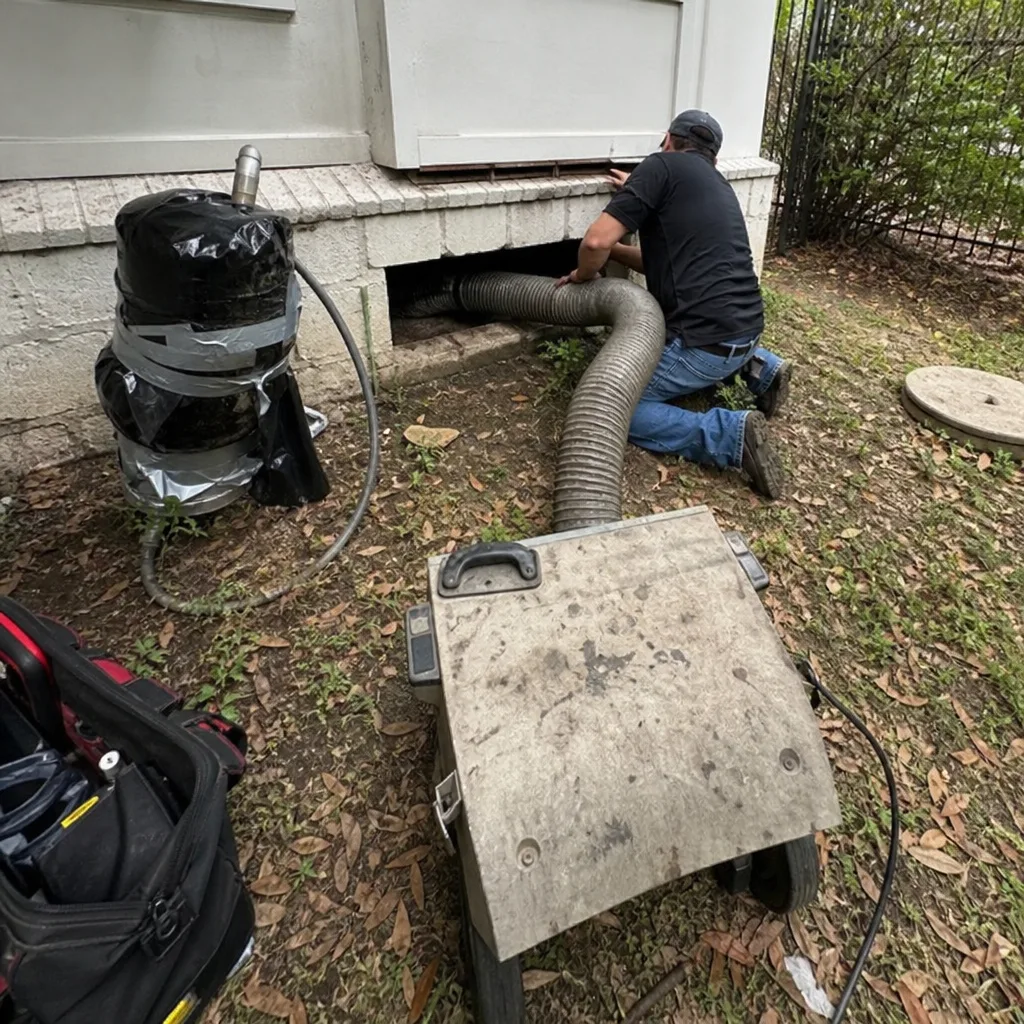 Before
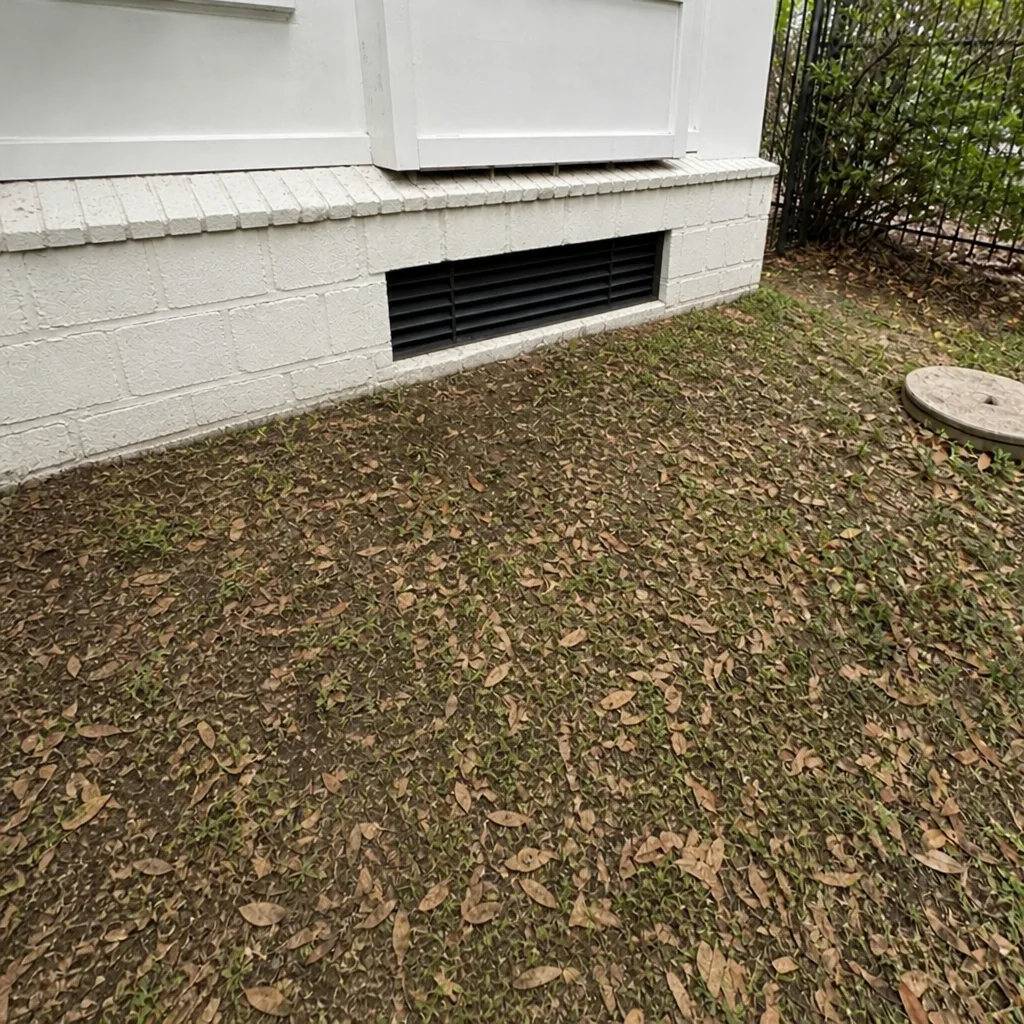 After
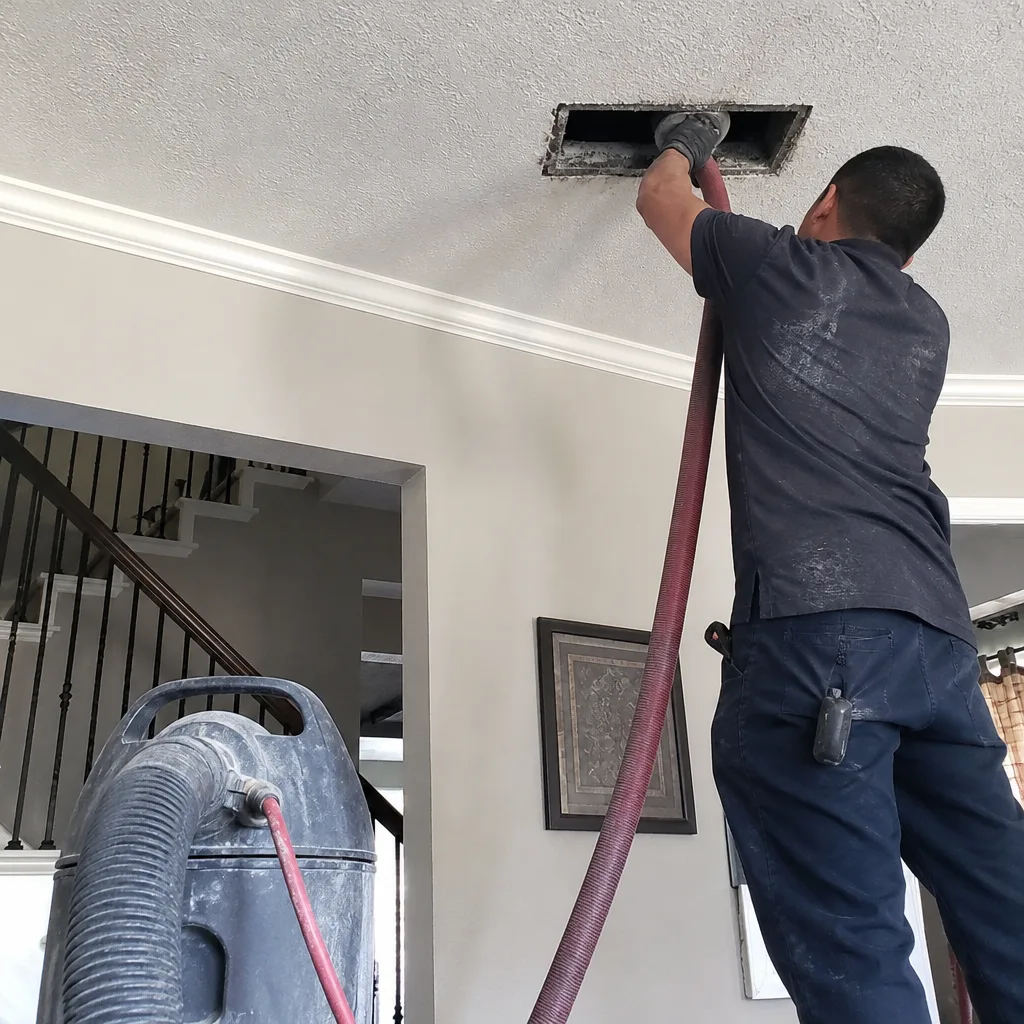 Before
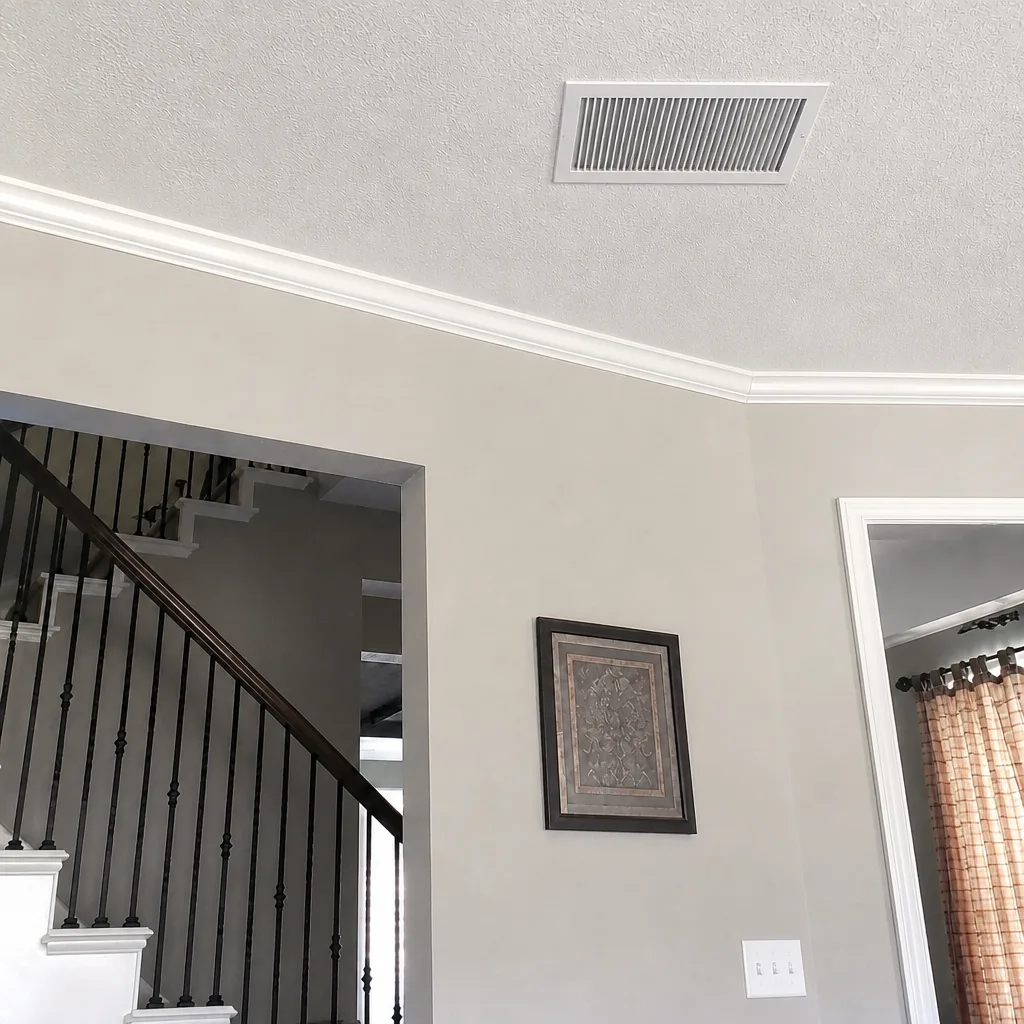 After
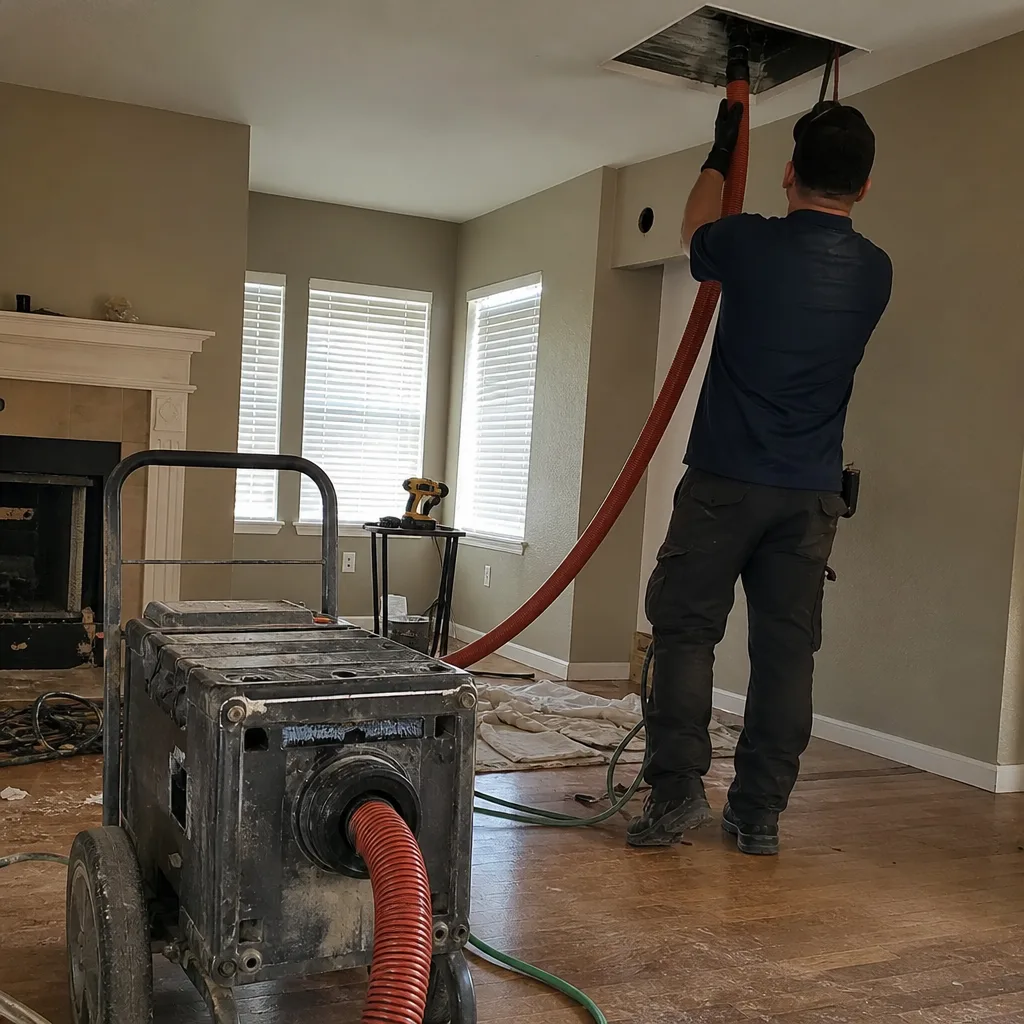 Before
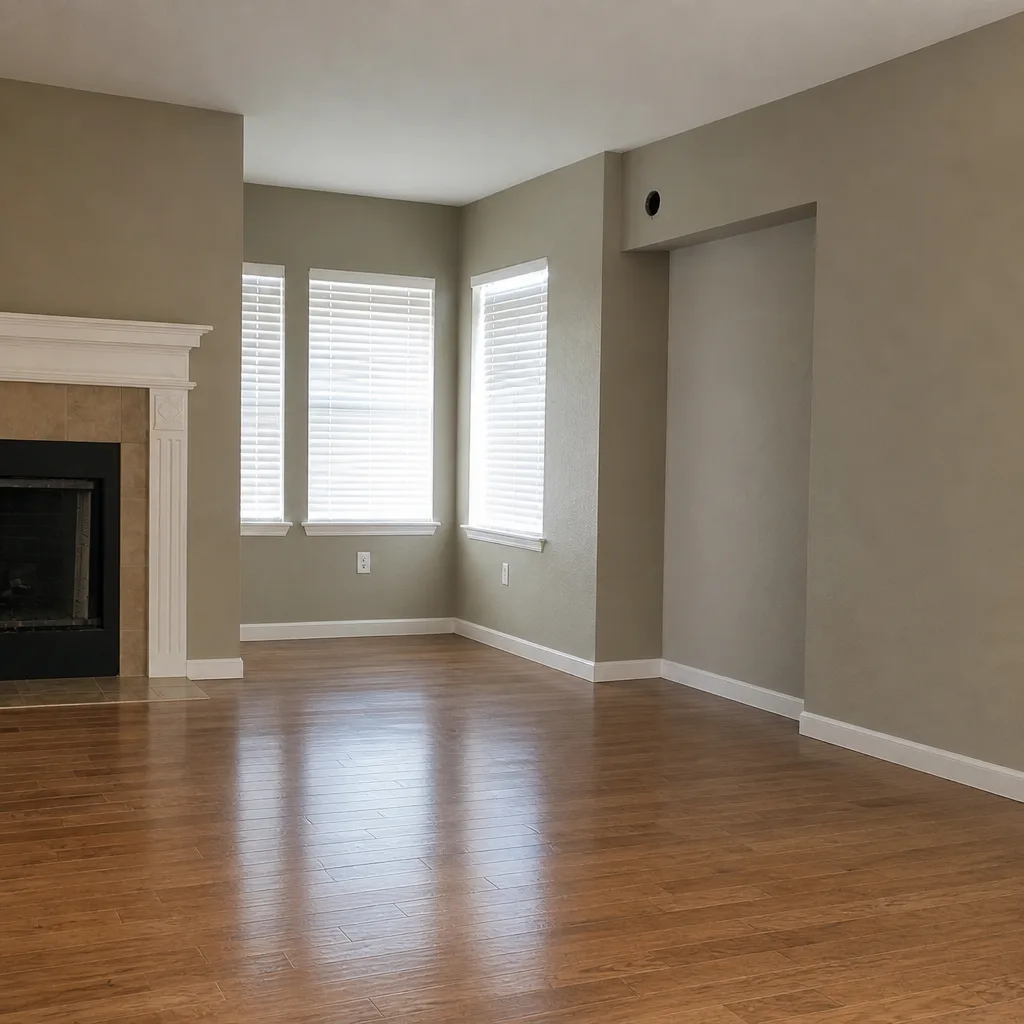 After
When to Call a Professional
Call in a professional when a checklist check reveals something past the visual stage: visible debris deep in the duct run, persistent odor that returns after basic cleaning, noticeably uneven airflow that filter and register basics don’t fix, water staining near a duct connection, or a post-storm change that doesn’t resolve. Call sooner if the home is going through rapid dust settling, allergy symptoms that map to time spent in the house, or a recent renovation that likely pulled construction dust into the system. A thorough inspection with professional-grade extraction equipment tells you what’s actually inside the system and whether cleaning, sealing, or an air quality upgrade is the right next step. Air Duct Cleaning Uptown offers free estimates in Uptown. Call (833) 508-9172. We answer 24/7. Fast dispatch from 7am to 7pm, Sunday through Friday.
For a complete look at the full range of services – duct cleaning, dryer vent cleaning, HVAC cleaning, air quality and sanitizing, and duct repair and sealing – the team at Air Duct Cleaning Uptown covers the whole air pathway so you don’t have to coordinate separate vendors for each stage. Read more about Air Duct Cleaning Uptown and the full-service approach, or jump directly to air duct cleaning for a deep look at the cleaning process itself.
Frequently Asked Questions
Most Uptown homes benefit from a full professional cleaning every three to five years, with a thorough inspection at the start of each cooling and heating season. Faster timelines make sense after a major renovation, after a post-storm event that pulls debris into the system, or in homes with pets or persistent allergy symptoms. If your visual checkpoints show dust returning faster than expected, that’s a sign to move the timeline up. Call (833) 508-9172 for an assessment specific to your home.
A visual check shows you dust at the register and surface condition only. A professional inspection looks inside the duct runs with equipment designed to see and extract what’s there – which is where the actual condition of the system lives. The visual check tells you something changed; the professional inspection tells you what changed and what to do about it.
No. A shop vacuum doesn’t have the suction and controlled airflow to extract material from duct walls, and it can push settled dust into the airstream instead of removing it. The result is often air that feels dirtier in the days after “cleaning” than before. Duct interior cleaning requires negative pressure and rotating brushes designed for the job – professional equipment, not consumer tools.
Start with MERV 8 for most homes and step up to MERV 11 during peak pollen and construction months if your system handles it. Higher ratings catch more but restrict more airflow, which is why the right filter is the highest rating your system can support – not the highest number on the shelf. When in doubt, check the system’s capacity and choose accordingly.
Because the source is behind the grille, in the duct run or on a surface that stays damp. Cleaning the grille face removes only the visible surface dust. A musty smell that returns after filter changes and grille cleaning usually points to moisture or growth inside the system that needs a proper inspection. Call (833) 508-9172 and we’ll help you figure out the next step.
Run a post-event inspection: check for water stains near registers and duct connections, note any change in airflow room to room, and look for new debris at return grilles. Add dated photos to your log. If anything looks off after the weather clears and doesn’t resolve in a few days, it’s worth a professional look before the next season.
The Bottom Line
A duct maintenance checklist for Uptown works because it’s a calendar mapped to your system’s real load cycle, not a flat list of tasks. The core moves: inspect before cooling season and before heating season, add a post-event check after any major weather, check filters monthly, photograph your fixed checkpoints every season, and pick a filter MERV rating your system can actually support. Anything past the visual stage – deep debris, persistent odor, uneven airflow, water staining – is a trigger for a professional inspection, not a call to the shop vacuum. Follow the calendar and the system stays cleaner, runs more efficiently, and gives you clear evidence when something does need attention. Call (833) 508-9172. We answer 24/7. Fast dispatch from 7am to 7pm, Sunday through Friday.
Written by the team at Air Duct Cleaning Uptown.