
Last updated November 23, 2026
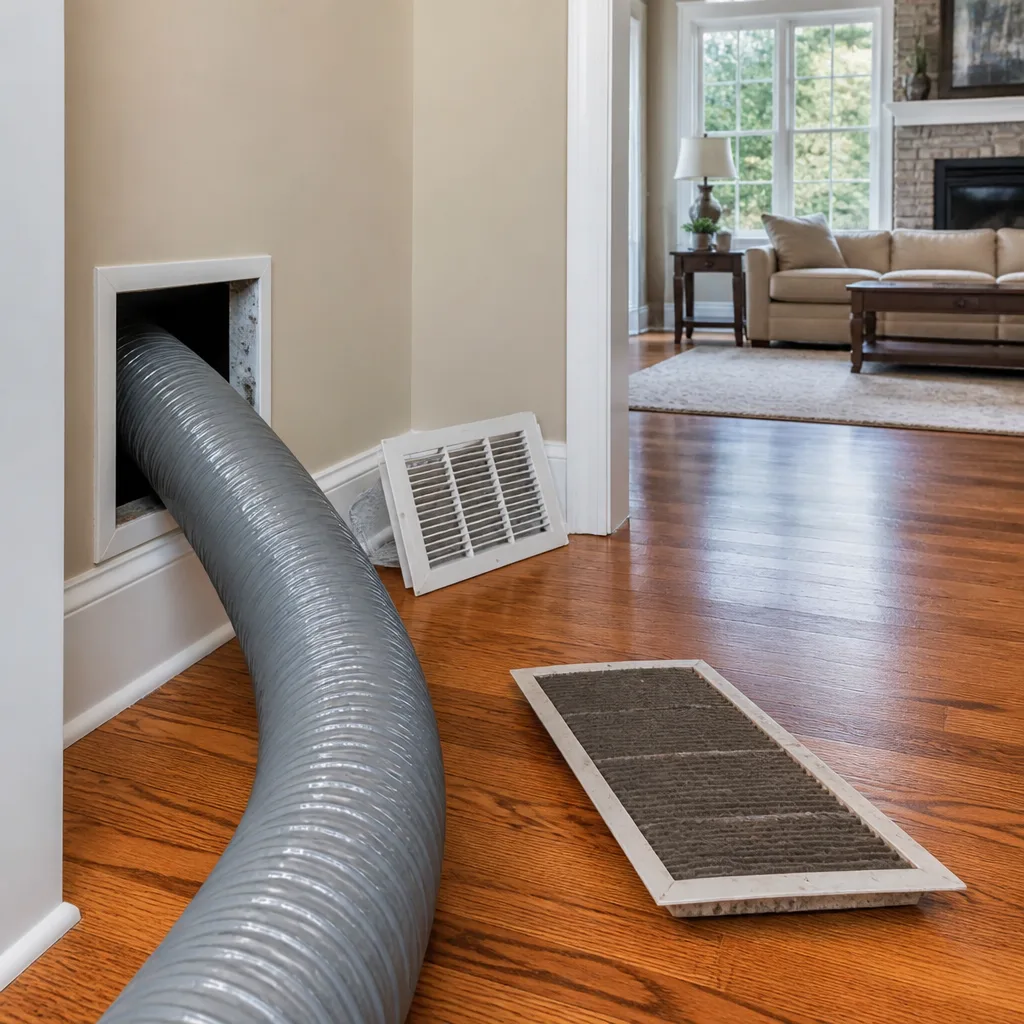 Whole-home duct cleaning
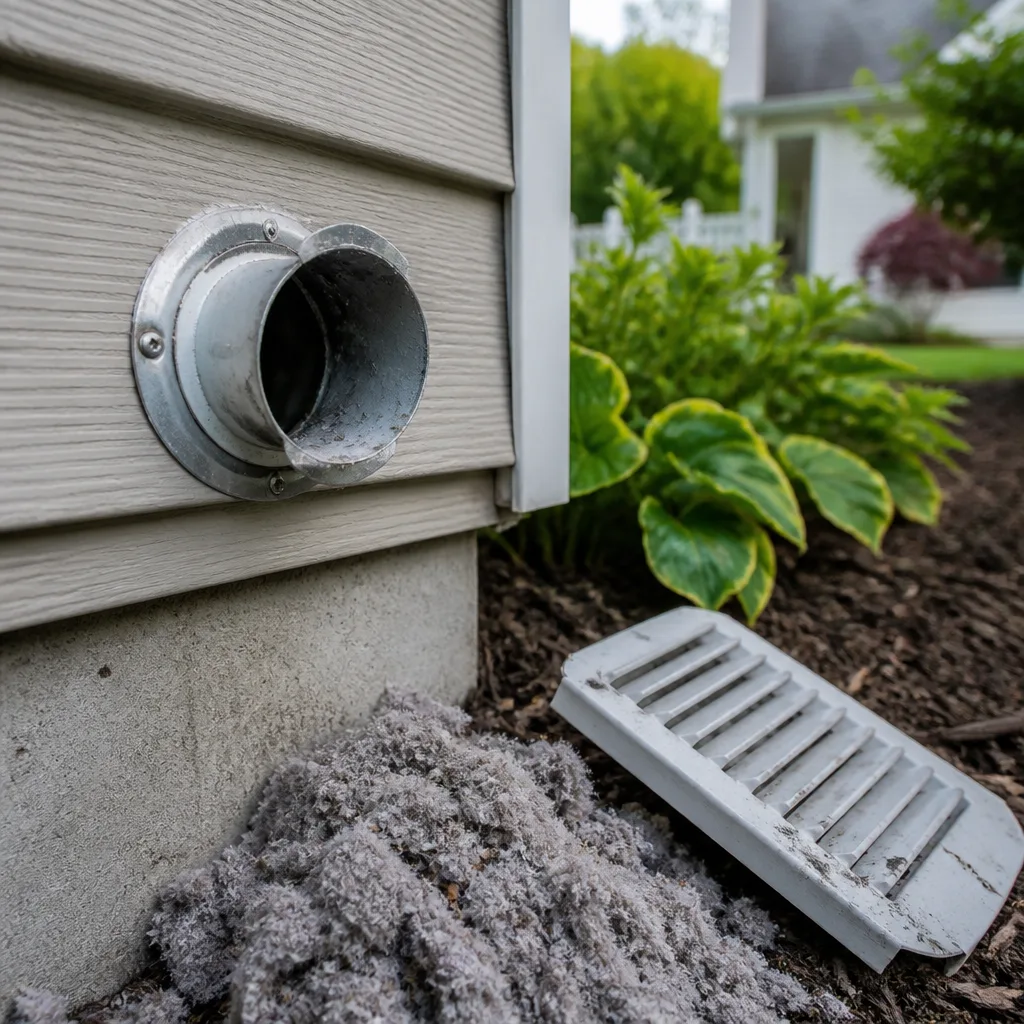 Dryer vent cleaning
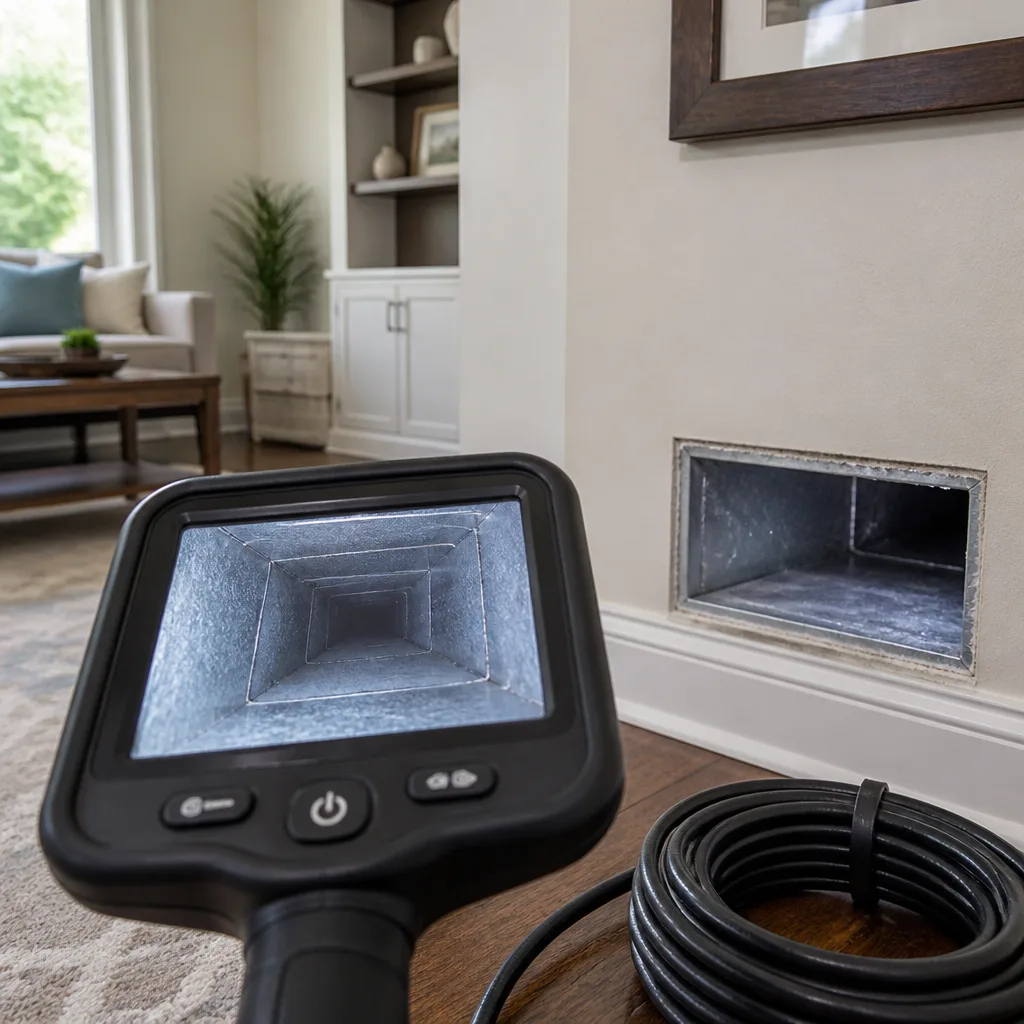 Camera inspection
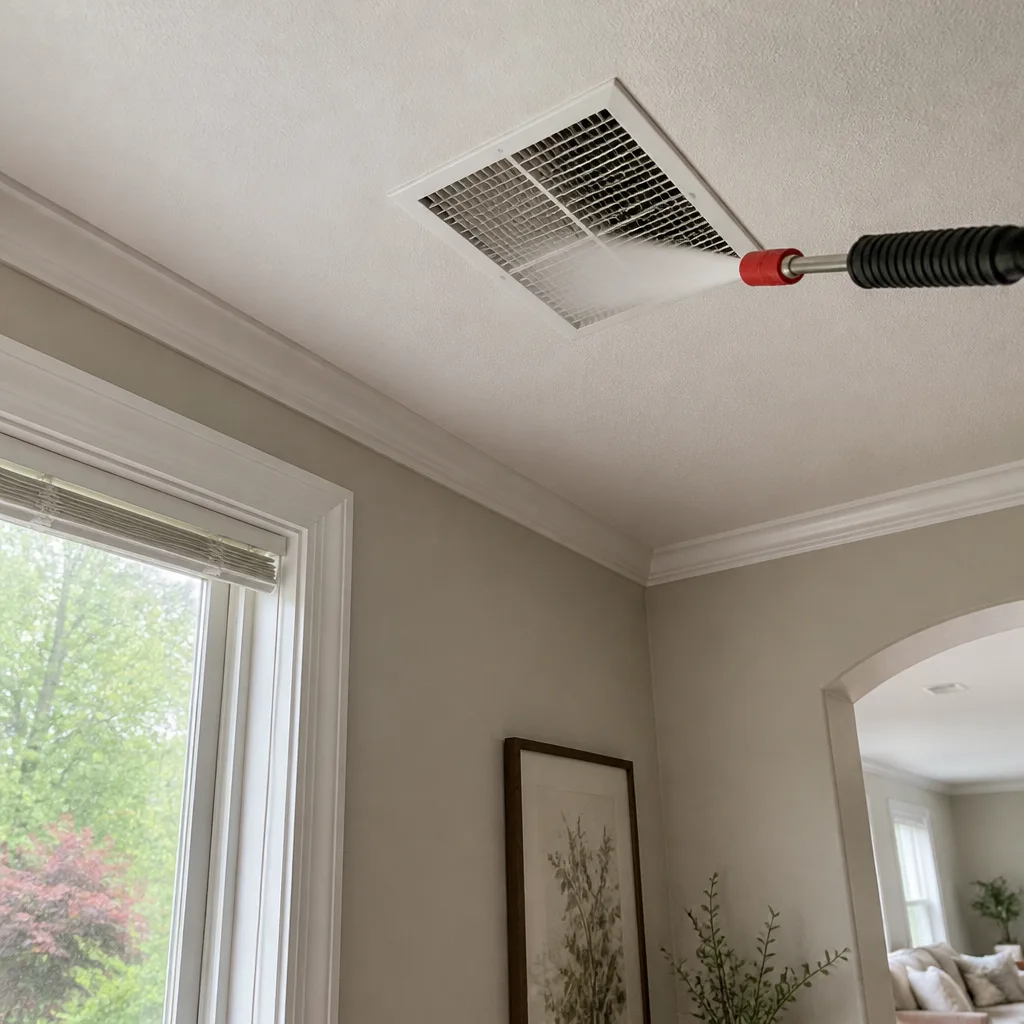 Sanitizing & deodorizing
Whole-system duct and dryer vent check with before-and-after photos - you see exactly what came out of your vents
That "$99 whole-house special" is a bait ad - the real number appears once they are in your hallway, or the "clean" is a shop-vac at the register. We photograph the inside of your ducts before and after instead.
Air Duct Cleaning Cost Breakdown: The Uptown Homeowner’s Reference for 2026
A $149 duct cleaning quote and a $650 duct cleaning quote in Uptown are almost never competing on price. They’re describing two completely different jobs using the same four words. One is a surface pass with a shop vacuum and maybe a brush wand; the other is a full-system evacuation with negative pressure, rotary agitation, and a documented before-and-after record. The gap between those two jobs is what this guide explains. You’ll learn what each pricing tier actually contains, how Uptown’s housing mix reshapes the numbers for identical square footage, and how to compare a “per vent” quote against a flat-rate quote without getting fooled by the label. If you’ve gotten three estimates for air duct cleaning in Uptown and can’t tell why they disagree by hundreds of dollars, this is the page that decodes it.
Quick Answer
Air duct cleaning in Uptown, TX typically runs $350 to $650 for a whole-system residential job, with mid-rise condos and smaller townhomes often landing between $300 and $475 and larger single-family homes pushing $550 to $900 once multiple zones, returns, and coil cleaning are factored in. The number that matters isn’t the headline price; it’s what the price includes – linear footage cleaned, number of supply and return vents, negative-pressure containment, coil and blower access, and whether a written before-and-after record is provided. A quote without a defined scope is a placeholder, not a price.
Styles & brands we work with
- Whole-home duct cleaning
- Dryer vent cleaning
- Camera inspection
- Sanitizing & deodorizing
Table of Contents
- What actually drives the price of duct cleaning in Uptown
- How Uptown’s housing stock changes the cost for the same square footage
- Per-vent pricing versus whole-system flat rate: comparing quotes fairly
- Line-item cost anatomy: base pricing versus add-on charges
- What legitimate add-ons cost and when they’re worth it
- The cost of not cleaning in a cooling-dominant Texas climate
- What a proper Uptown duct cleaning job involves, step by step
- Frequently asked questions
What actually drives the price of duct cleaning in Uptown?
Price is driven by measurable system characteristics, not by square footage alone. Three homeowners on the same block in Uptown can pay wildly different amounts because their systems are built differently, even if their floor plans look identical on paper. The variables that move the number are consistent, and a legitimate contractor should be able to explain which ones apply to your home.
The core drivers:
- Linear footage of ductwork. A single-story townhome may run 60 to 90 linear feet of trunk and branch duct. A multi-zone home with a second floor and a long return chase can run 150 linear feet or more. More duct means more access points, more time, and more containment setup.
- Number of supply and return vents. A 1,200-square-foot condo might have 6 supplies and 1 return. A 2,800-square-foot home might have 16 supplies and 3 returns. Each register needs to be removed, cleaned, and reseated.
- System configuration. Attic runs, crawlspace runs, vertical chases, flex duct versus rigid sheet metal, and the number of air handlers all change how long a job takes. Ductwork buried above a hard ceiling costs more to reach than ductwork with clear access panels.
- Accessibility and containment. A negative-pressure setup that protects your furniture and floors takes longer but is what separates a real cleaning from a dust-stirring exercise. Tight mechanical closets common in Uptown’s high-rise condos add time to every access point.
- Contamination level. Light dust is routine. Heavy debris, visible microbial growth, pest evidence, or renovation dust from a recent remodel requires more passes and more time.
In our experience, homeowners who ask “how did you arrive at this number?” get a useful answer from a serious contractor and a vague one from a coupon operation. A quote that can’t name the variables above is a quote assembled to win the call, not to describe the work. If you want a baseline on what the service itself covers, our air duct cleaning page lays out the scope before you ever pick up the phone.
How Uptown’s housing stock changes the cost for the same square footage
Identical square footage in Uptown does not mean identical cost, because the neighborhood’s housing stock spans three very different duct profiles. A 1,400-square-foot high-rise condo and a 1,400-square-foot townhome built decades apart share a number on a listing sheet and almost nothing else. Understanding which profile you’re in tells you roughly where your estimate should land before anyone quotes you.
High-rise condos and mid-rise units
Vertical chases, mechanical closets, and shared building infrastructure dominate the condo profile. Duct runs are shorter, but access is tighter, and containment has to be more careful because there’s no attic to work from and no easy way to route a vacuum hose out of the unit. Many Uptown mid-rise units use compact air handlers with short flex runs feeding 5 to 8 registers. These jobs are usually faster in linear footage but slower in setup, and the price tends to land at the lower end of the range – roughly $300 to $475 – as long as the equipment can be staged without a full building coordination effort. Condo boards sometimes have rules about working hours, elevator use, and contractor check-in; a quote that doesn’t ask about those is a quote that will change on the day of the job.
Older townhomes and low-rise attached housing
Townhomes in Uptown often combine short flex runs with original sheet metal trunks, sometimes with a mix of both in the same system. Renovations over the years can leave disconnected sections, crushed flex, or poorly sealed joints that let conditioned air escape. These are the jobs where Air Duct Cleaning Uptown work and duct repair become linked, because cleaning a system with open joints is only half the fix. Expect $400 to $600 typically, and plan for a repair conversation if the inspection turns up leaks.
Newer construction and larger single-family homes
Newer builds tend to have more zones, longer runs, and more registers. The square footage climbs, the vent count climbs with it, and multiple air handlers push the job into the upper range – often $550 to $900, more if a second system needs service. The upside with newer ductwork is that it’s usually accessible and intact, which keeps the cleaning itself efficient. In our experience, the variable most often underestimated by homeowners is the number of returns: a home with three large return grilles takes meaningfully more time than the listing sheet suggests.
Per-vent pricing versus whole-system flat rate: how to compare quotes fairly
Per-vent pricing looks cheaper on the phone and usually isn’t. The reason is structural: a per-vent model charges only for the registers the contractor touches, which means trunk lines, plenum connections, and the coil and blower compartment – often the dirtiest parts of the system – sit outside the quoted price. When the technician arrives and finds those areas need attention, the add-ons begin. The homeowner’s $149 quote becomes a $500 invoice, and the trust is gone.
A whole-system flat-rate model prices the entire air pathway up front: every supply run, every return, the plenum, the air handler cabinet, and the coil access. That’s why the number is higher at the outset and lower at the end. It’s not a discount; it’s a scope difference.
To compare quotes across pricing structures, run each one through the same checklist:
- Ask what’s excluded. If a quote doesn’t say, assume returns, plenum, and coil are excluded and price them in mentally.
- Ask whether the price is fixed or begins at a base. A price with the word “starting at” is a teaser, not an estimate.
- Ask if a written before-and-after record is provided. Photo documentation is the single most reliable signal that the work was actually completed. A contractor who can’t say yes to this in advance won’t produce it after.
- Ask which vents are counted in the total. Supply vents and return vents should both appear in the scope. If only supplies are counted, the number is inflated by omission.
- Ask whether the price changes if debris is heavier than expected. A serious contractor will say the price is set by the written estimate and hold it unless the scope changes with your agreement.
And treat the coupon price as a signal, not a saving. In a market where a proper whole-system clean requires professional equipment and hours of time, a price well below the range for the job tells you something about the scope, not the contractor’s generosity. For a deeper look at how HVAC cleaning differs from duct-only work – and why it usually sits in a separate line item – that breakdown is worth a read before you commit.
Line-item cost anatomy: base pricing versus add-on charges
Every quote splits into two parts: the base price for a defined scope of cleaning, and the add-ons triggered by what the inspection actually finds. Knowing which is which lets you see a quote for what it is. Here’s a realistic anatomy of how the numbers break down in Uptown for 2026.
| Line item | Typical Uptown range | What it covers |
|---|---|---|
| Base whole-system duct cleaning (condo/mid-rise) | $300 – $475 | All supply and return runs, plenum, air handler cabinet, no coil access |
| Base whole-system duct cleaning (single-family home) | $450 – $750 | All runs, plenum, cabinet, single air handler |
| Additional air handler / second zone | $100 – $200 | Cleaning and containment for a second system |
| Evaporator coil cleaning | $150 – $350 | Coil face and fin cleaning, requires access |
| Microbial / sanitizing treatment | $150 – $400 | Antimicrobial application with Guardsman products after cleaning |
| Duct sealing and repair | $250 – $600+ | Mastic sealing at joints, reconnect of detached runs, replacement of crushed flex |
| UV in-duct air treatment | $400 – $900 installed | UV-C lamp installation near coil, coordinated with Honeywell or Aprilaire filtration |
| Dryer vent cleaning (when bundled) | $125 – $250 | Full lint evacuation from dryer to exterior termination |
Use these ranges as a reality check, not a fixed price list. Every home is different, and the written estimate is what sets the final number. But if a quote falls far below the base range for its housing profile, the scope is almost certainly narrower than the words suggest. The one add-on we’d flag as genuinely non-negotiable in many Uptown homes is duct sealing, because cleaning a leaky system and leaving the leaks open means the pressure imbalance pulls dust right back in.
What legitimate add-ons cost and when they’re worth it
Add-ons are where the honest and dishonest parts of this market separate. Some are genuinely necessary. Others are padding dressed up as care. Here’s a straight comparison, from someone who sees these jobs up close.
Worth it: duct sealing and repair
If the inspection finds disconnected joints, crushed flex in a tight attic run, or leaks at plenum connections, sealing is the fix that makes cleaning last. Roughly $250 to $600 depending on scope. A system that loses conditioned air to a crawlspace wastes energy year-round, and no amount of cleaning corrects that.
Worth it, conditionally: antimicrobial sanitizing
Sanitizing is worth doing when there’s visible microbial growth, musty odor, rodent evidence, or water damage history – typically $150 to $400. It is not worth doing as a default upsell on a clean, dry, well-maintained system. Ask what the applicator found and whether they can show you a photo. We use Guardsman treatment products for this step, and the product label should always be shown to you before application.
Worth it, conditionally: evaporator coil cleaning
Coil cleaning at $150 to $350 is one of the most genuinely beneficial add-ons in Uptown’s cooling-dominant climate, because the coil runs for months on end and a fouled coil loses capacity. But it requires the technician to be able to access the coil, and some systems make it difficult. Ask whether coil access is included in the base price or an add-on, and whether it’s a face cleaning or a full cleaning.
Worth it in the right setting: UV treatment and filtration upgrades
A UV-C lamp installed near the coil runs $400 to $900 depending on the configuration. It’s a sensible addition in homes with chronic moisture at the coil or allergy sensitivity, and it’s part of what we can coordinate with dryer vent cleaning-style maintenance visits when a homeowner is doing a full-system pass. Where UV shines less well is as a first move for a system that hasn’t been cleaned at all – UV doesn’t substitute for cleaning, it supplements it.
Not worth it: anything you can’t see explained in writing
If an add-on appears on the invoice that wasn’t on the initial estimate, ask for the change to be documented before the work begins. No legitimate contractor will object to putting a scope change in writing.
The cost of not cleaning in a cooling-dominant Texas climate
Duct contamination costs money, and the meter runs fastest when the air conditioner is running. In a cooling-dominant climate like Uptown’s, the HVAC system operates for a much larger share of the year than in mixed climates, which means every efficiency loss in the ductwork compounds across more runtime hours. A restricted coil or a leaky return adds to the bill every month it goes unaddressed.
What actually degrades, and how it shows up in energy spend:
- Coil fouling. A dust-loaded evaporator coil loses heat-transfer efficiency and runs longer to hit the same set point. The system works harder for the same comfort.
- Blower and cabinet debris. Debris on the blower wheel unbalances it, reduces airflow, and taxes the motor. Fans consume more energy when they can’t move the air they were designed to move.
- Return-side leaks. A leaking return in an attic or wall cavity pulls hot, unfiltered air into the system before the filter. The system then pays to cool air it didn’t need to cool.
- Supply-side leaks. Conditioned air escapes into unconditioned space, so the registers deliver less cooling than the system produced. The compressor still runs the full cycle.
- Filter bypass. A poorly fitting filter in a warped return slot lets dust into the coil and blower housing. The filter cartridge is only as good as the seal around it.
In our experience, the paired fixes earn their money back fastest for Uptown homeowners: clean the coil and cabinet, seal the leaks, then maintain. We’re not going to hand you a savings percentage because we haven’t measured your system. What we can tell you is that a home with a sealed, cleaned system runs a repeatable cycle, and the bills stop drifting up. If you want a proper baseline, start with a full HVAC cleaning that includes coil and blower access, then take the sealing conversation from there.
What a proper Uptown duct cleaning job involves, step by step
Understanding the process is how you recognize a real job. The equipment matters more than the marketing: a contractor-grade setup uses negative-pressure containment, a rotary pusher for agitation, and a HEPA-rated vacuum unit. Consumer vacuums and shop vacs cannot move enough air to evacuate a residential duct system. We run Rotobrush and Nikro systems for cleaning and abatement, not because brand names sell, but because the equipment class is what gets the debris out.
- Pre-job walkthrough and documentation. The technician photographs registers, grilles, and any visible contamination before anything moves. Ask to see these.
- Containment and negative pressure. A HEPA vacuum connects to the trunk or plenum, pulling the entire system into negative pressure so loosened debris gets captured, not dispersed into the room.
- Register and grille removal. Every supply and return cover is removed, washed, and set aside for cleaning.
- Rotary agitation of each run. A rotary brush or air whip travels each duct from plenum to register, knocking debris loose into the negative-pressure airflow.
- Plenum and air handler cabinet cleaning. The metal box housing the coil and blower is cleaned. This is where most bypass debris collects and where a per-vent model often stops short.
- Coil and blower access, if included. Access panels are opened, the coil is cleaned, and the blower wheel is checked and cleaned if warranted.
- Filtration check and hygiene. Filter condition and fit are assessed. If a filtration upgrade or UV treatment is planned, it’s set up here, using Aprilaire or Honeywell components when a homeowner chooses to add them.
- Sanitizing, if contracted. Guardsman antimicrobial product is applied to duct interiors when microbial or odor concerns justify it.
- Post-job documentation and reassembly. Registers go back on, containment comes down, and before-and-after photographs are provided along with a written summary of findings.
That’s roughly 2 to 4 hours for a typical single-family home in Uptown and 1.5 to 3 hours for a condo, depending on access. A job done in 45 minutes is not a fast job; it’s an incomplete one. If a contractor won’t show you the containment setup or can’t explain the negative-pressure approach, the price you were quoted was for a different job.
Common Mistakes to Avoid
- Choosing on headline price alone. A $149 quote and a $600 quote on the same home are rarely the same scope. Compare scope, not numbers, or you’ll pay the first price and then the real one. In a condo market like Uptown’s mid-rises, the cheapest quote is often the one with the least documented work.
- Assuming “per vent” means the whole system. It doesn’t. Plenum, returns, coil, and cabinet are usually outside the per-vent price. If a quote doesn’t specify, ask explicitly before you book.
- Accepting sanitizing as a default add-on. Antimicrobial treatment is worth it when there’s visible growth, odor, or water history, and it’s padding when there isn’t. Ask for the photograph or pass on it.
- Skipping the duct sealing conversation. Cleaning a leaky duct system without sealing fixes nothing long-term. In Uptown’s older townhomes, this is the single most common missed step. For homeowners with lint-prone dryers, a related trap is skipping dryer vent work while the ducts are being cleaned – both are worth scheduling together when the technician is already set up.
- Hiring a contractor who can’t articulate what they’re cleaning. If the answer to “how many returns does my system have?” is “we’ll figure it out on the day,” you’re hiring a guess.
- Letting a condo job proceed without building coordination. Mid-rise buildings in Uptown often require elevator reservations and a contractor check-in. Skipping this step means the crew gets turned away at the lobby.
- Believing a “whole system” label without documentation. Before-and-after photos and a written scope summary are the only proof that the work was actually done. A price without documentation is a receipt, not an outcome.
See the difference
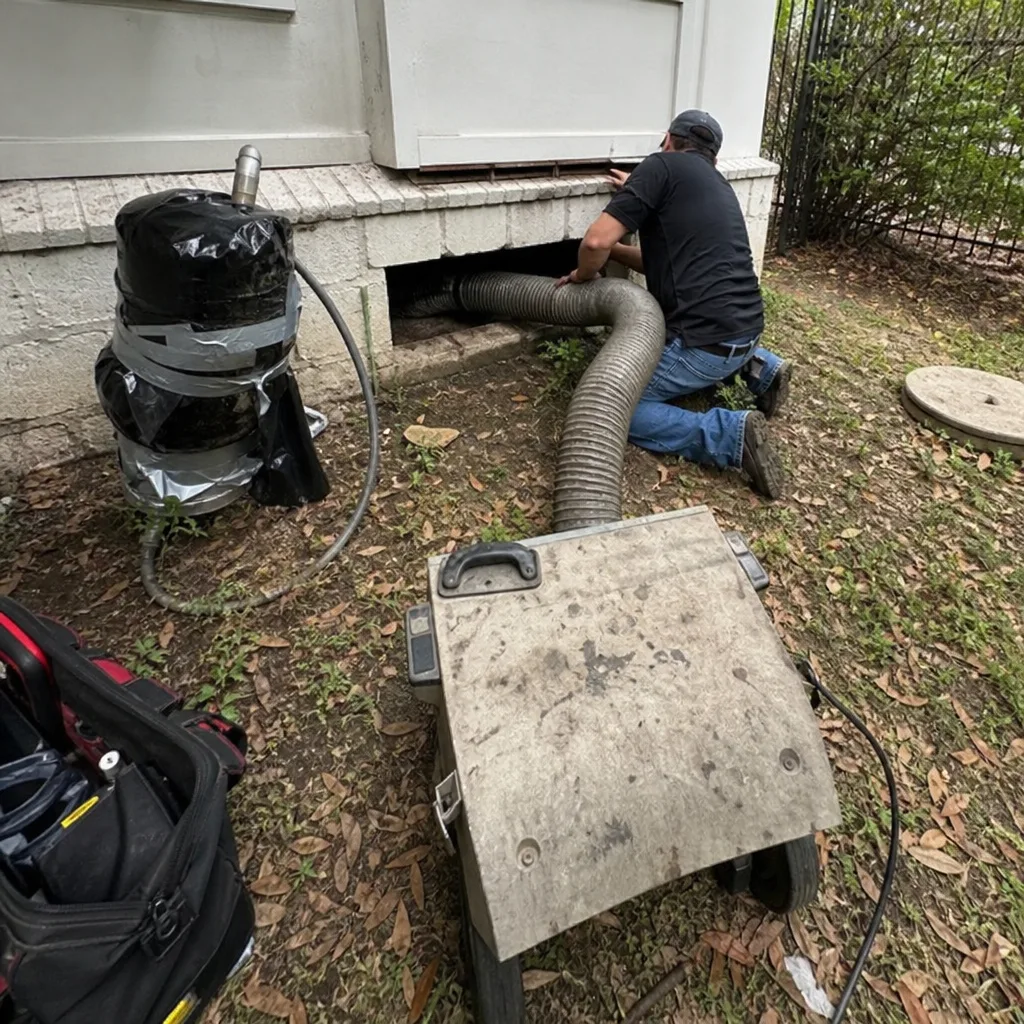 Before
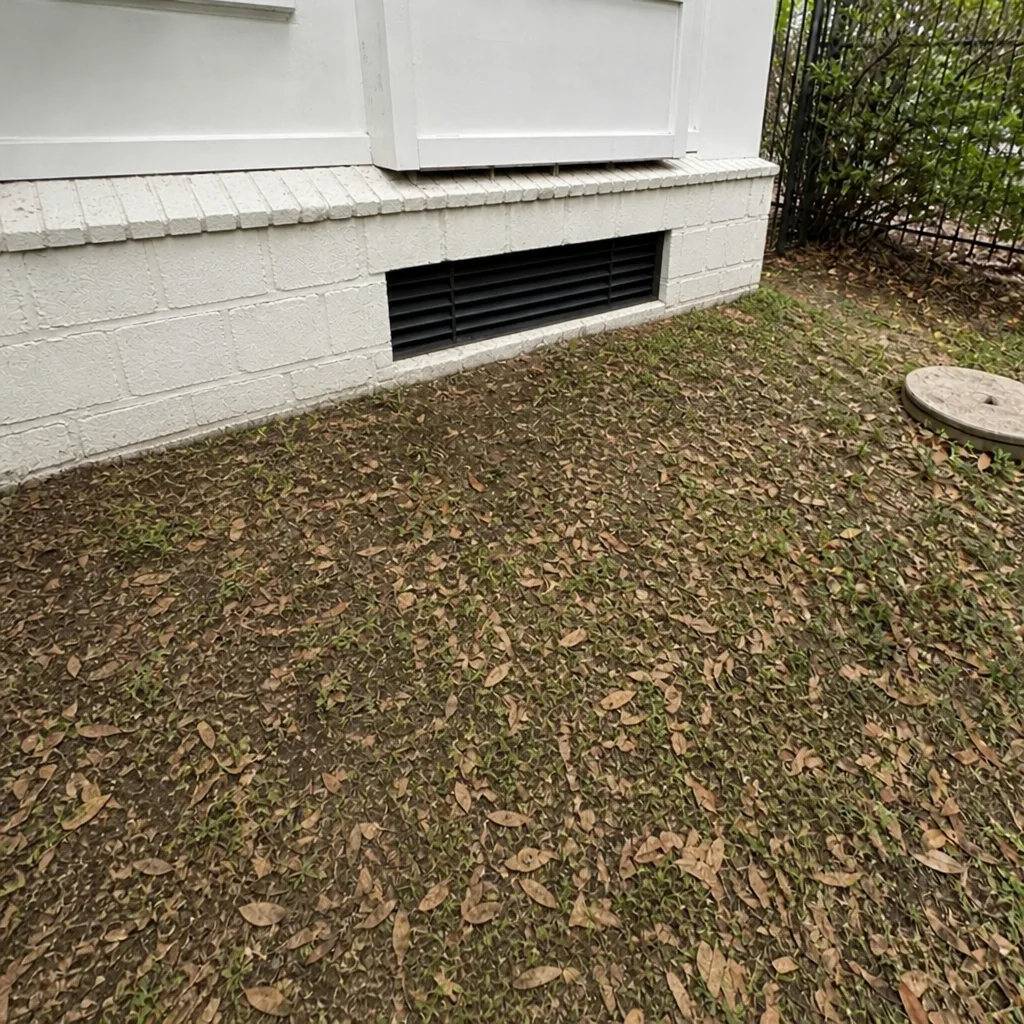 After
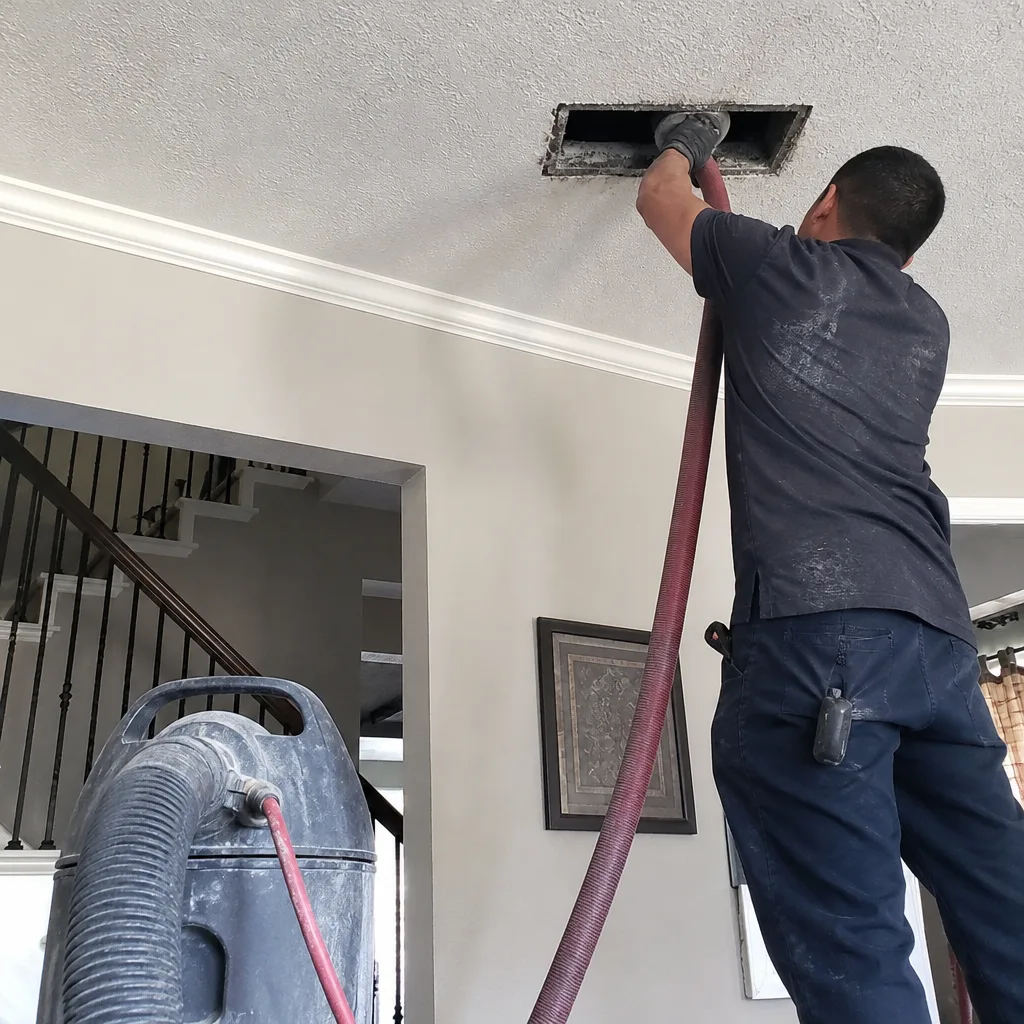 Before
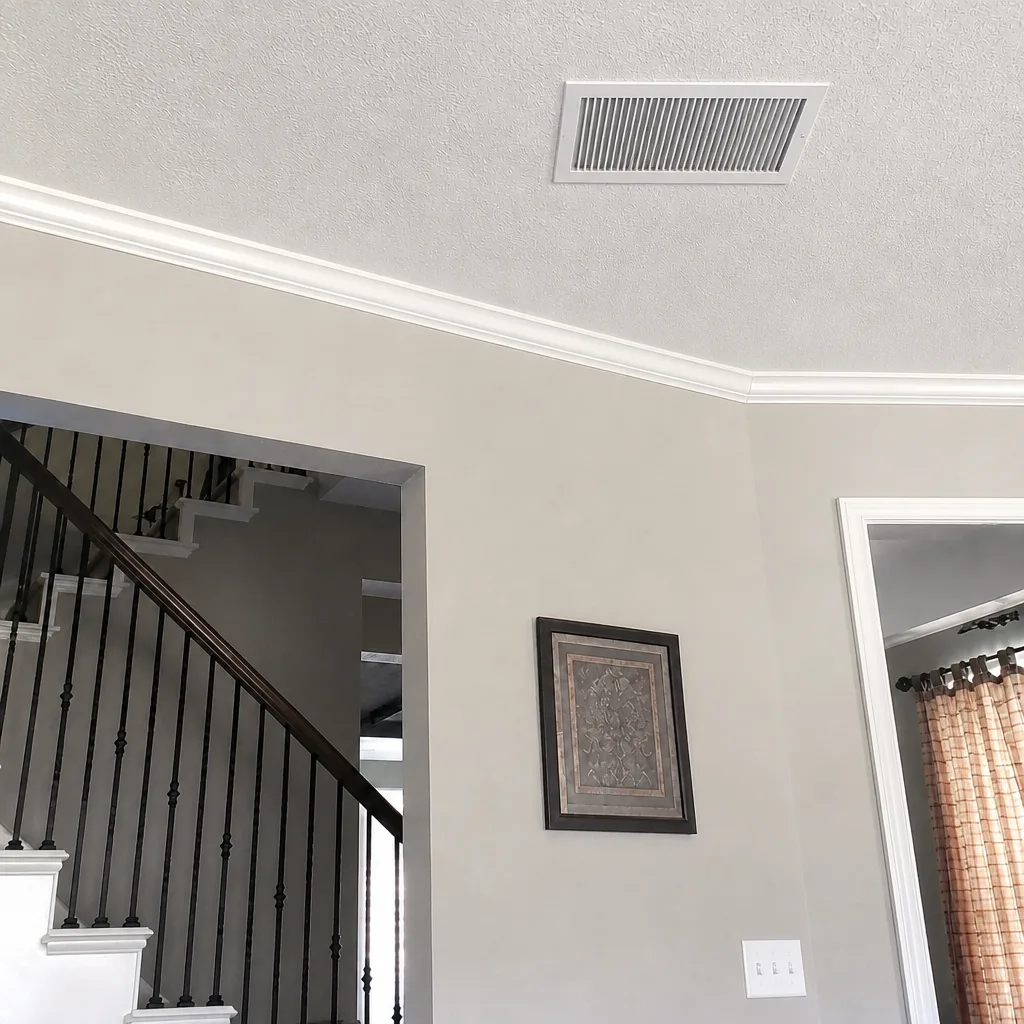 After
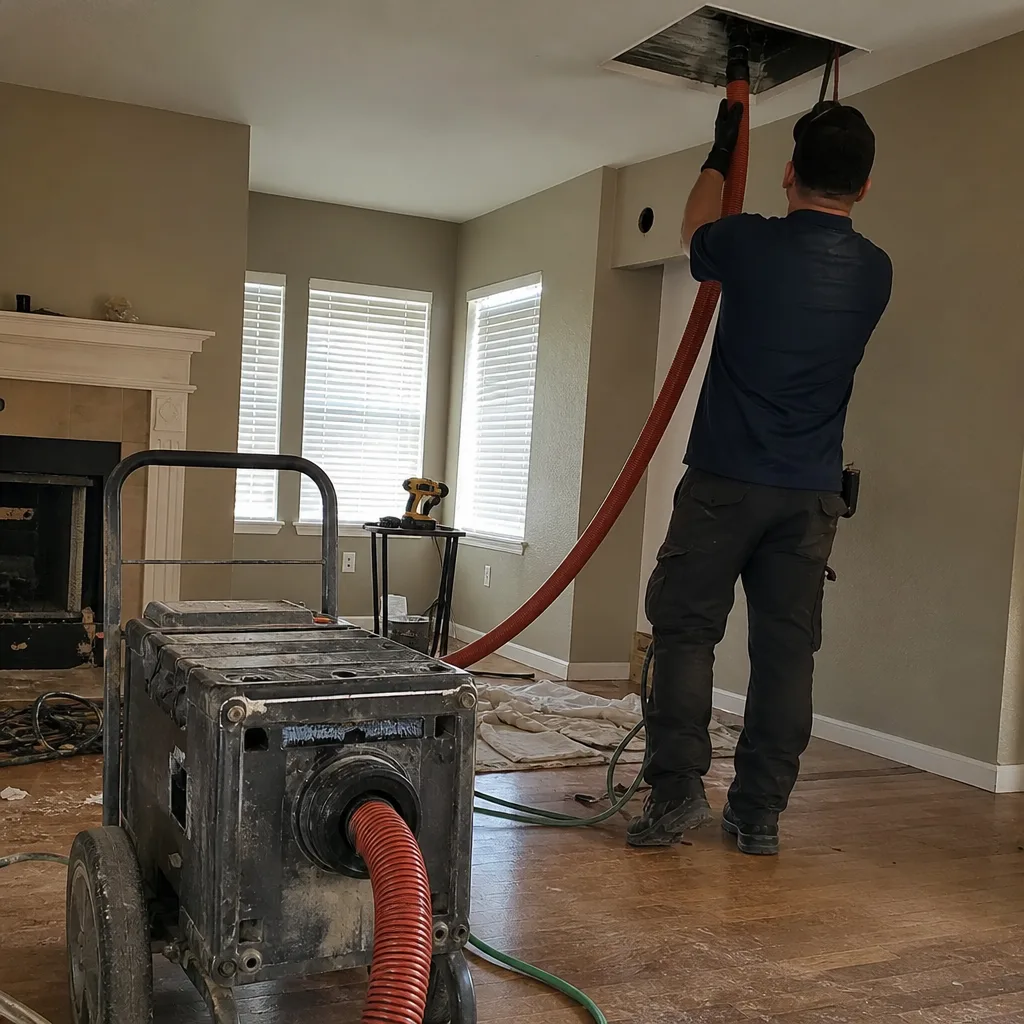 Before
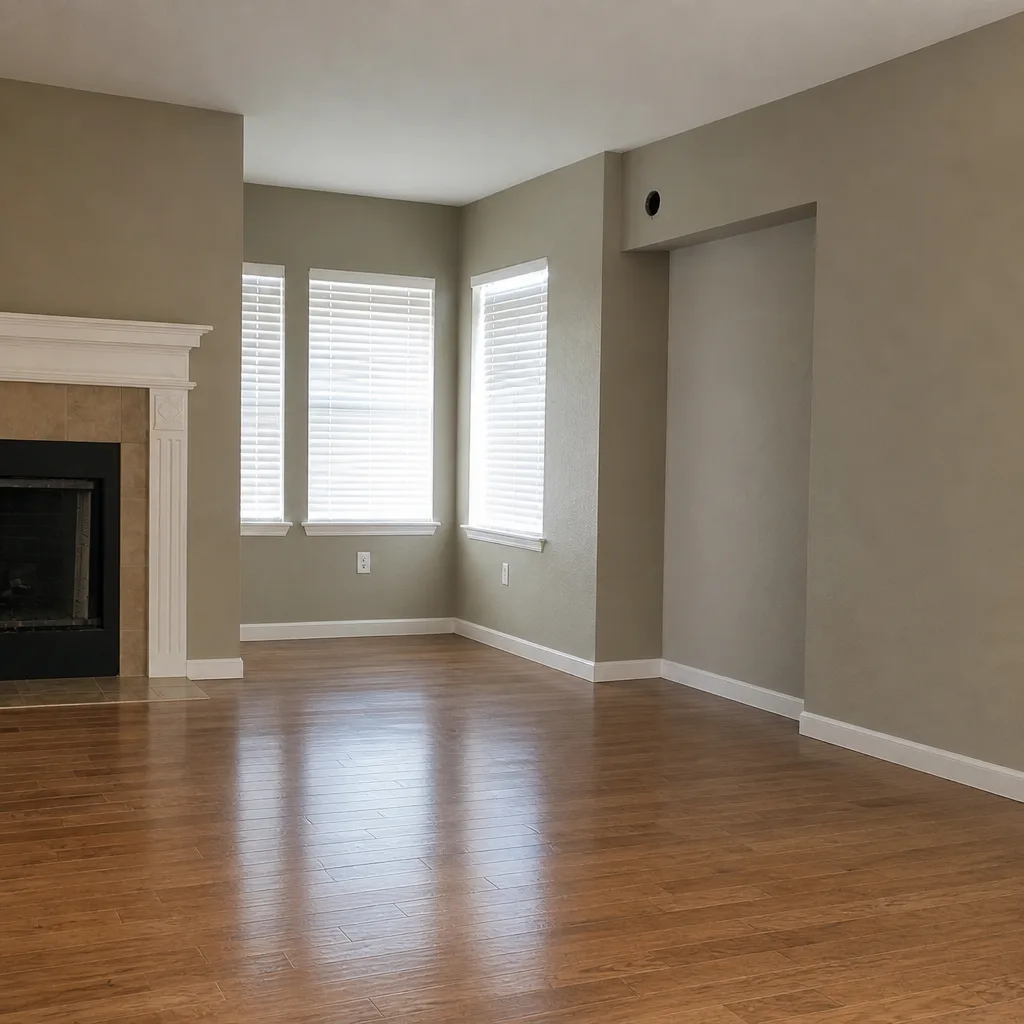 After
When to Call a Professional
Some things are worth a call before you sort through quotes. If anyone in the household has seen allergy symptoms that flare inside the home and ease outside it, or if there’s a persistent musty smell when the air handler starts, that’s a sign of something the filter isn’t catching. Uneven airflow – one room icy, another warm – often traces back to duct leakage or a partially blocked run, not to the thermostat. Visible dust plumes at registers when the system kicks on, dust settling on furniture faster than usual after a renovation, and rattle or whistle sounds from the ductwork are all reasons to have the system inspected and cleaned.
Homeowners in Uptown with a recent remodel, a pest history, or a system that hasn’t been serviced in more than a few cooling seasons should get on the schedule. Air Duct Cleaning Uptown offers free estimates in Uptown – call (833) 508-9172. We answer 24/7. Fast dispatch from 7am to 7pm, Sunday through Friday. When we come out, we’ll walk the system, tell you what’s in scope, and give you a written number before anything starts.
Frequently Asked Questions
Whole-system duct cleaning in Uptown typically costs $350 to $650 for the average residential job, with condos and smaller townhomes lower in the range and larger single-family homes higher, especially when a second system or coil cleaning is involved. That range assumes a proper whole-system scope with negative-pressure containment and documented before-and-after photographs. Call (833) 508-9172 for an exact quote – estimates are free, and the written estimate sets the final price.
Because they’re quoting a narrower scope, not a better deal. The cheapest quotes in Uptown usually cover only the visible supply vents and skip returns, plenum, coil, and cabinet. The price difference is a scope difference disguised as a price war. The way to test this is to ask what’s excluded, and how the price changes on the day if extra work is needed. If the answer is “we’ll see,” the quote isn’t a price. Call (833) 508-9172 to compare an itemized whole-system estimate against what you’ve already been quoted.
By asking for before-and-after photographs of your own ductwork and a written summary of what was cleaned, in advance. A serious contractor will commit to that in the estimate. We document every job with photographs and a scope summary at handoff, because “we cleaned it” without proof is the industry’s biggest trust problem. If a contractor can’t promise documentation before they arrive, don’t book. Call (833) 508-9172 for a documented estimate.
Most Uptown homes are well served by duct cleaning every 3 to 5 years, with adjustments up or down based on pets, renovation history, allergy sensitivity, and whether the system has run in a dusty environment. Homes near recent construction, or with visible dust plumes at registers, should be inspected sooner. A system with a properly fitted filter and sealed ductwork holds its cleanliness far longer than a leaky one. Call (833) 508-9172 to talk through your home’s specifics and get an honest recommendation.
Cleaning alone lowers energy bills modestly; cleaning plus duct sealing and coil cleaning are what produce measurable savings in a cooling-dominant climate like Uptown’s. Every month an unsealed system runs, it pays to cool air it never delivered. If you want a straight answer for your specific home, get an estimate with sealing included as a line item so you can compare the cost against the cost of leaving it. Call (833) 508-9172 for a straight number.
Air duct cleaning covers the duct runs themselves – supplies, returns, trunk, and plenum. HVAC cleaning extends to the air handler cabinet, evaporator coil, and blower assembly, which is where much of the airflow restriction and energy loss actually originates. Most Uptown households should have both done together, which is why we offer the two as connected services. Call (833) 508-9172 to scope both in a single free estimate.
The Bottom Line
Duct cleaning prices in Uptown vary by a factor of several because “duct cleaning” is used to describe at least three different scopes of work. A few hundred dollars separates a surface pass from a full-system clean, and the only way to compare quotes fairly is to ask the same five questions of every contractor: what’s excluded, is the price fixed or a base, are photographs provided, is the return side counted, and does the price change based on what the inspection finds. Uptown’s mix of condos, townhomes, and newer construction means the same square footage can demand very different scopes, so don’t anchor on a number – anchor on the scope that produces the number. When you’re ready, Air Duct Cleaning Uptown will scope the system, put the plan in writing, and give you one flat price before work begins. Call (833) 508-9172 for a free estimate. We answer 24/7. Fast dispatch from 7am to 7pm, Sunday through Friday.
Written by the team at Air Duct Cleaning Uptown.