
Last updated November 23, 2026
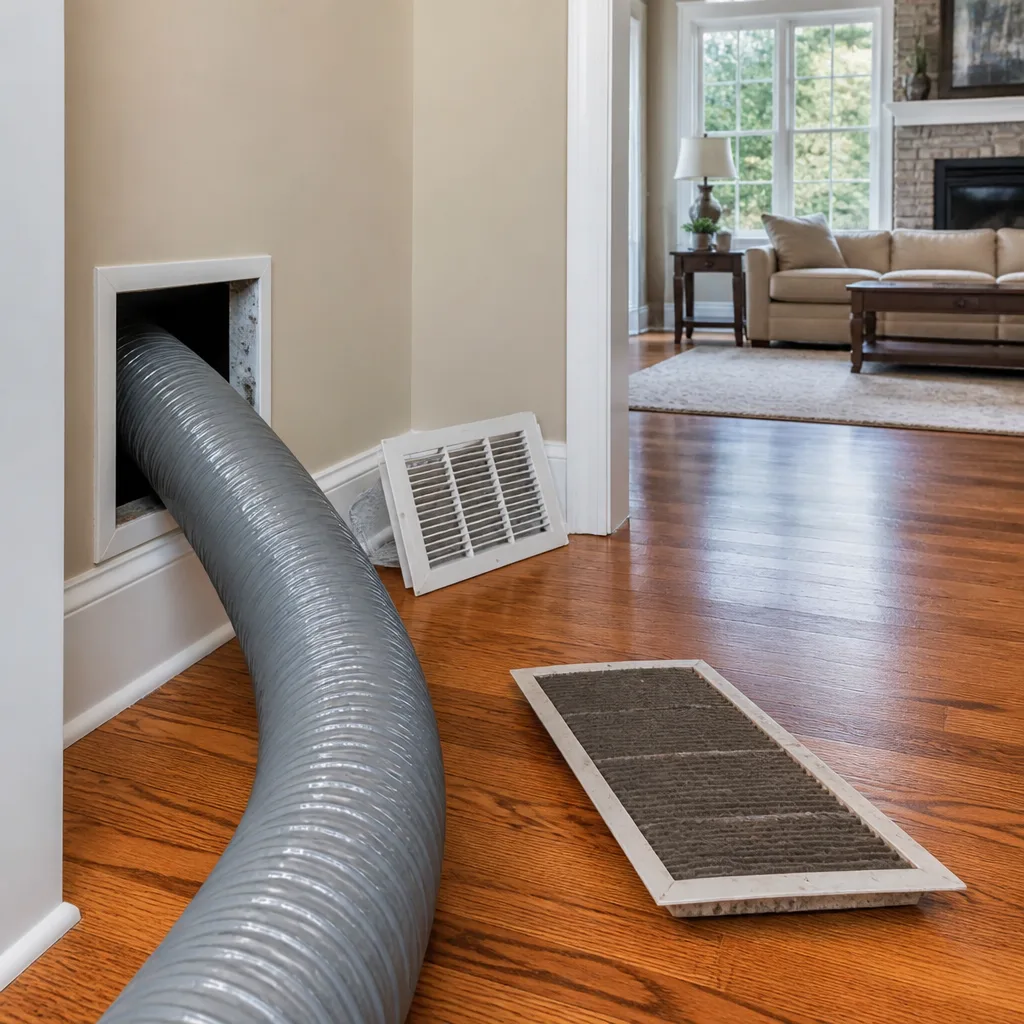 Whole-home duct cleaning
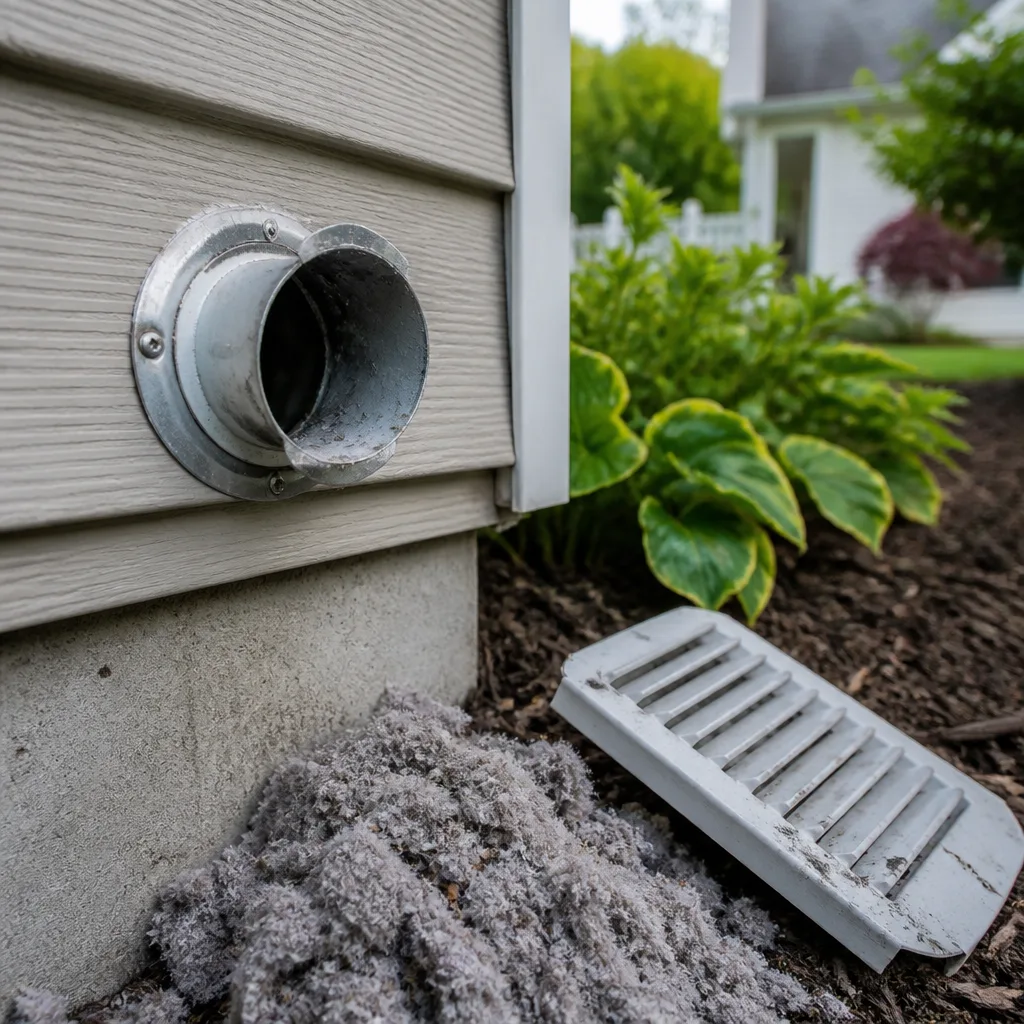 Dryer vent cleaning
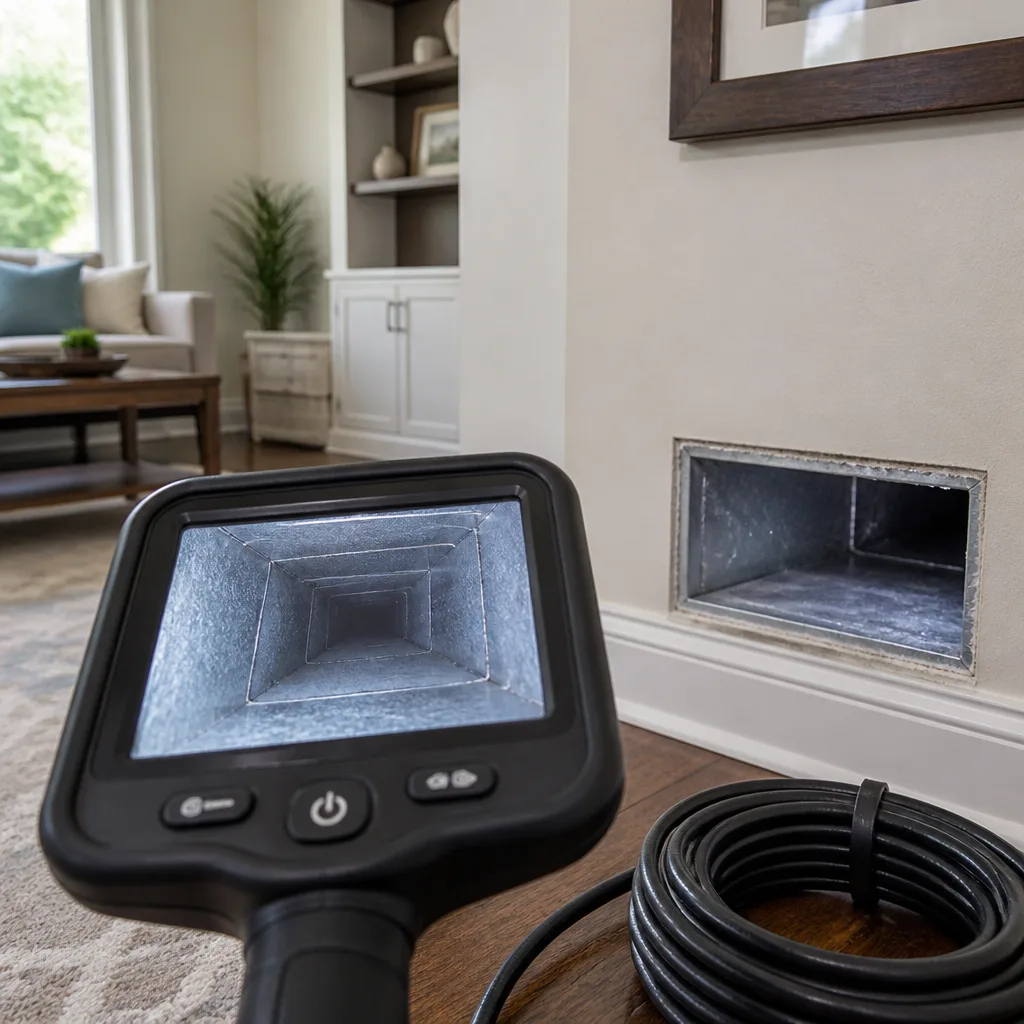 Camera inspection
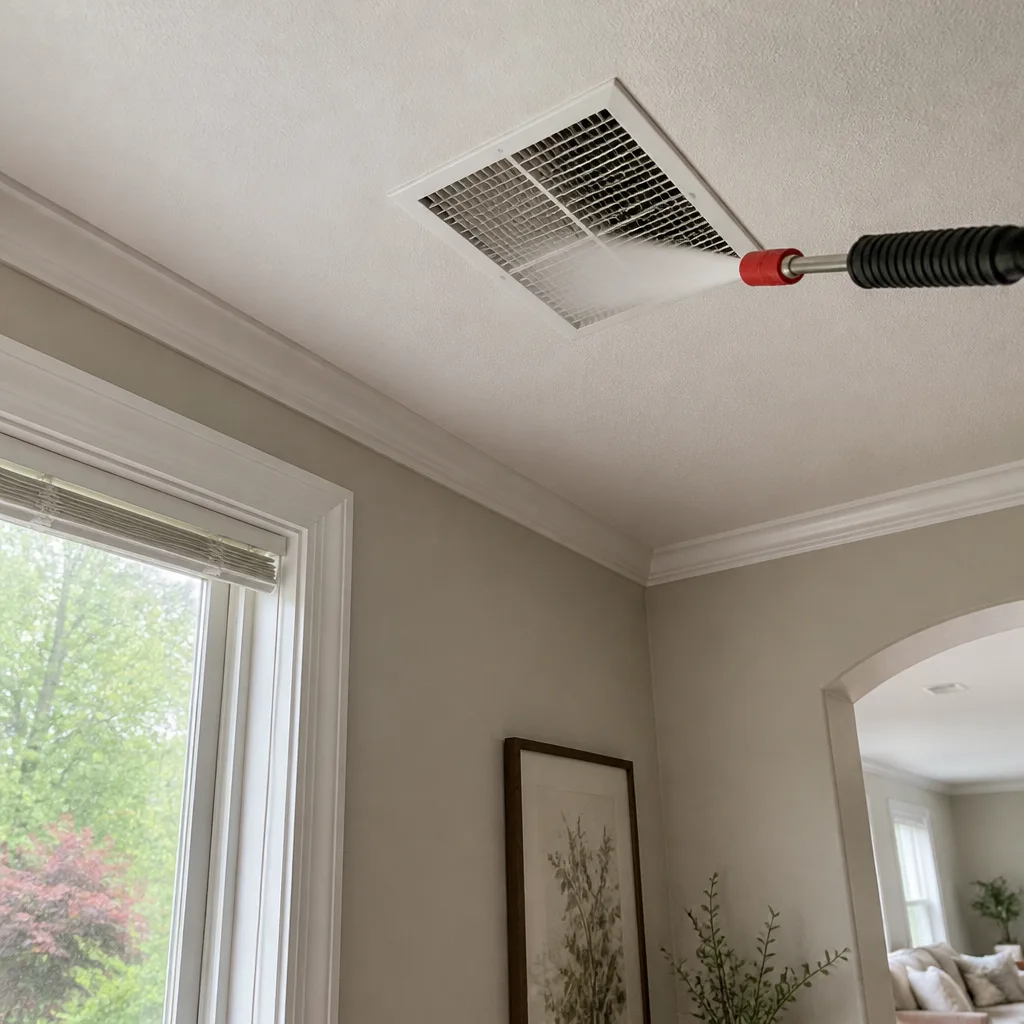 Sanitizing & deodorizing
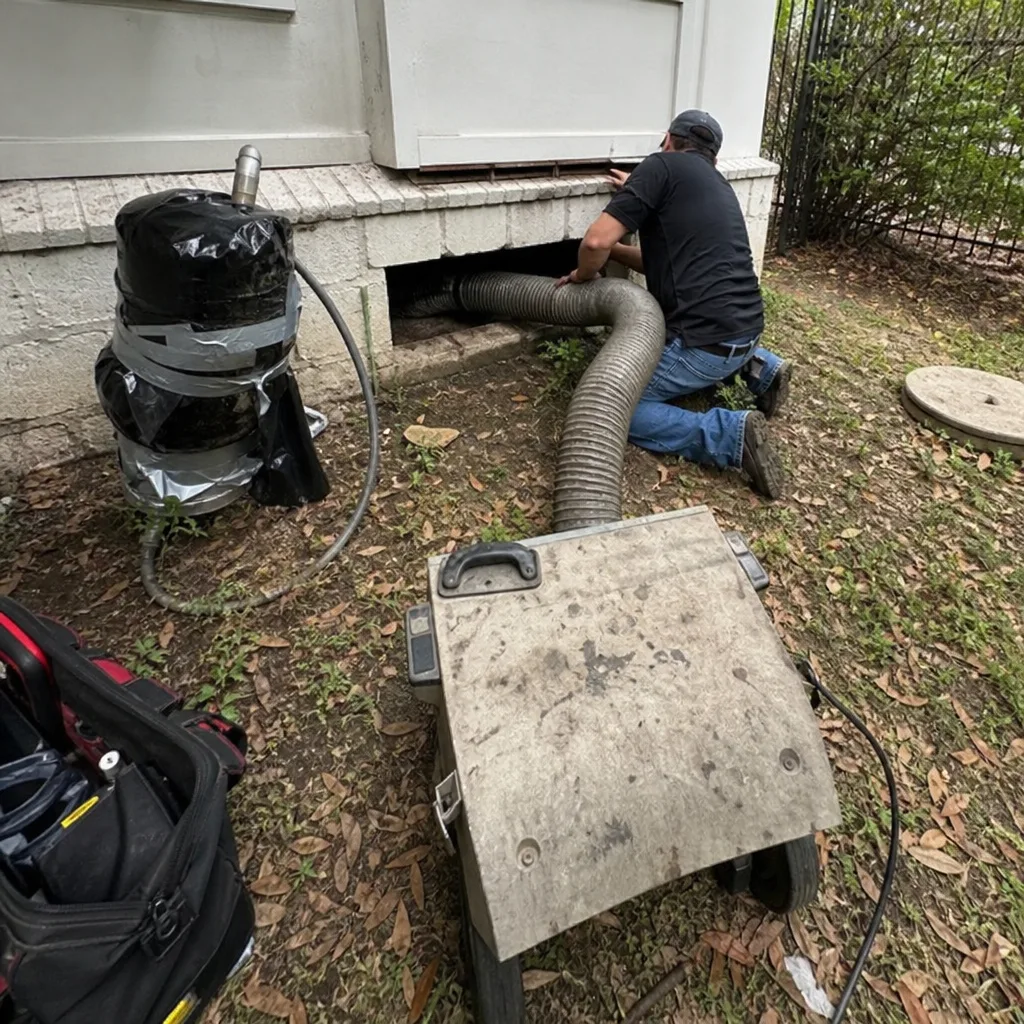
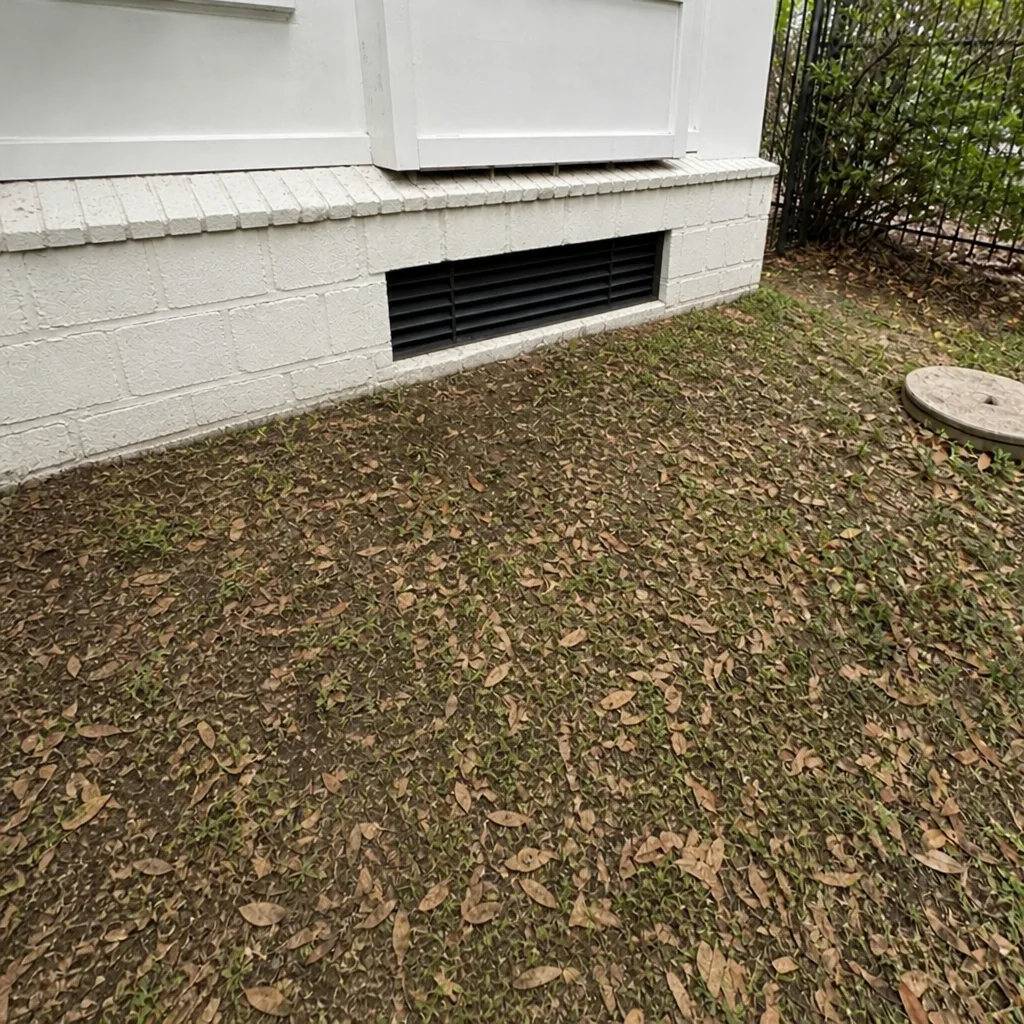
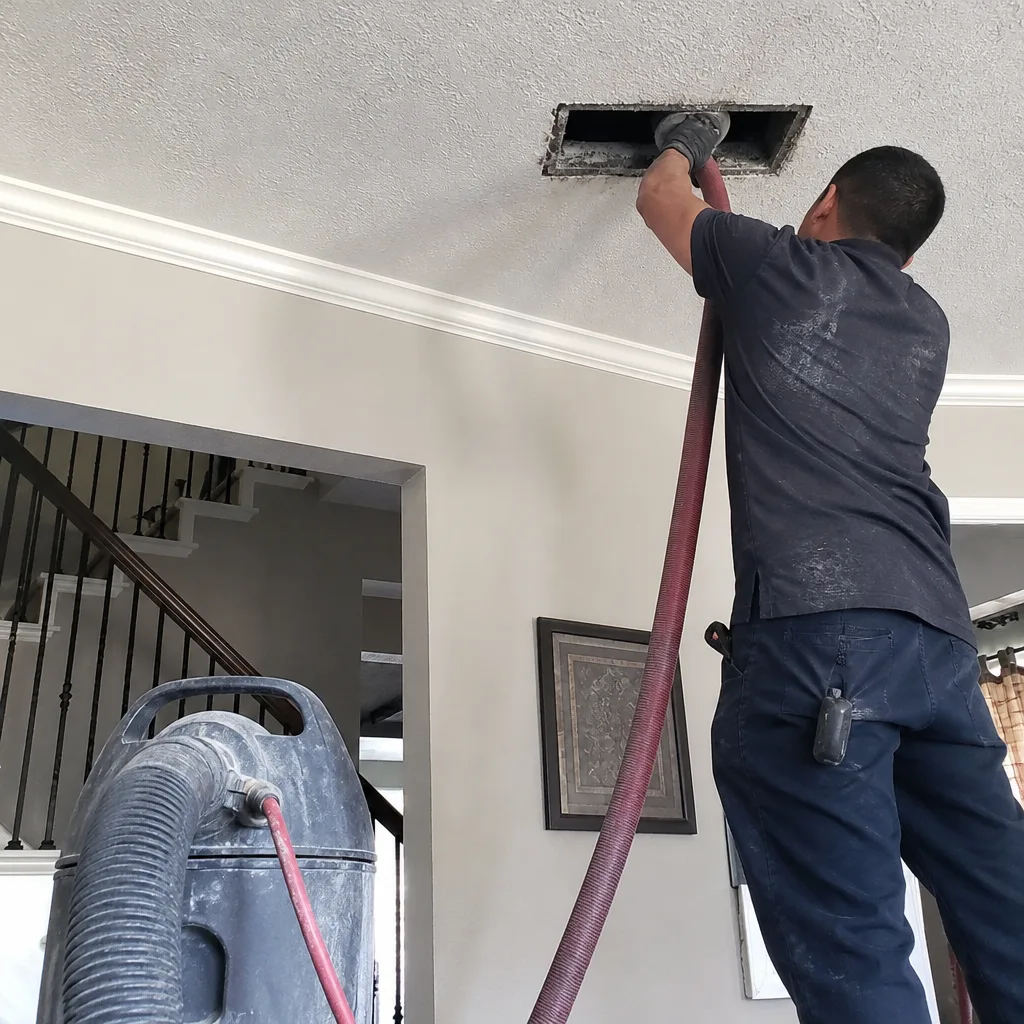
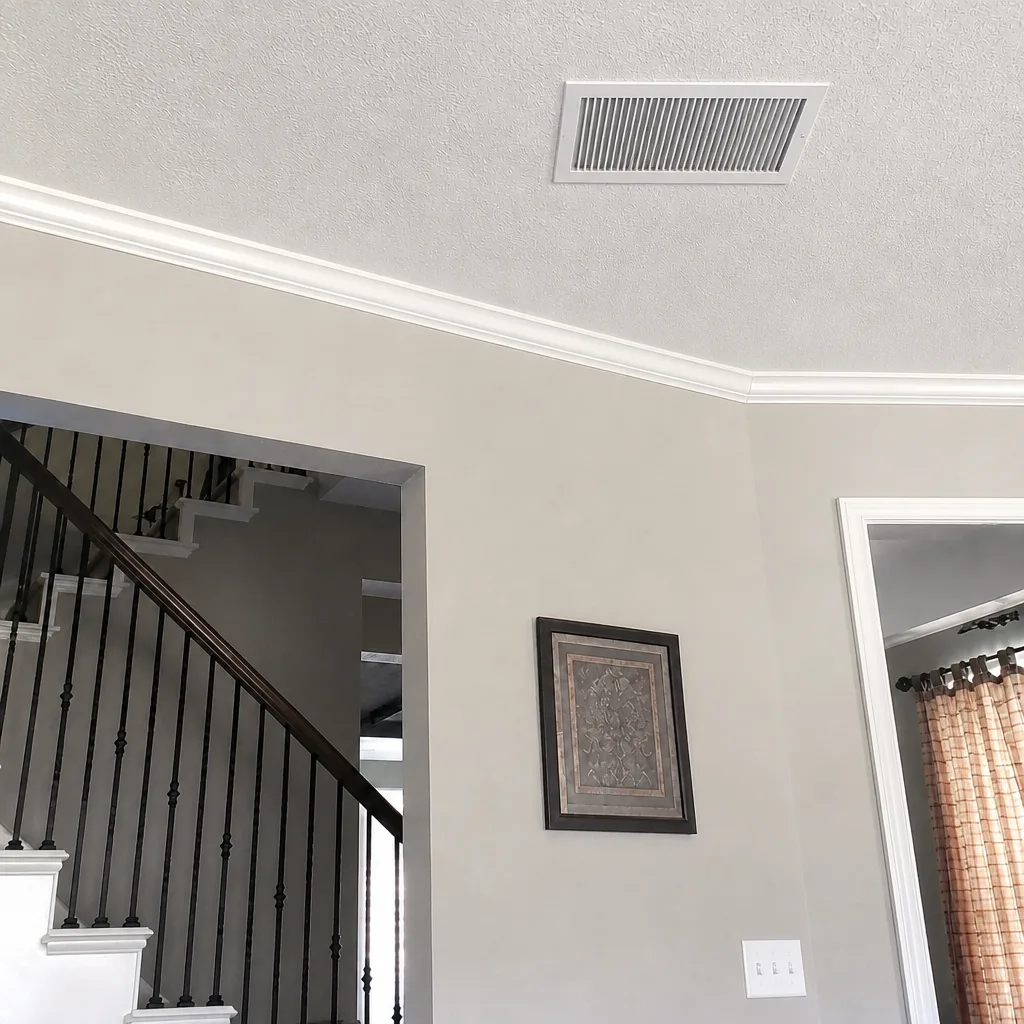
Whole-system duct and dryer vent check with before-and-after photos - you see exactly what came out of your vents
That "$99 whole-house special" is a bait ad - the real number appears once they are in your hallway, or the "clean" is a shop-vac at the register. We photograph the inside of your ducts before and after instead.
Seasonal Air Duct Cleaning Care for Uptown: Year-Round Homeowner’s Guide
Most homeowners treat duct cleaning as a once-every-few-years chore, something to schedule when the dust gets visible or the allergies get bad. That framing misses what’s actually happening inside the system. Ducts don’t collect debris at a steady rate, and they don’t fail on a calendar schedule. They respond to how the building is being run: which mode the HVAC is in, how hard the blower is working, how much moisture is riding along with the air, and how tightly the whole pathway is sealed. Here in Uptown, those variables shift four separate times a year, and each shift creates a different kind of risk. This guide walks through all four, explains what to inspect and when, and shows why the transition weeks matter more than the peak of summer or the dead of winter.
Styles & brands we work with
- Whole-home duct cleaning
- Dryer vent cleaning
- Camera inspection
- Sanitizing & deodorizing
Quick Answer
Seasonal air duct care in Uptown means matching the work to how your HVAC is actually running, not to a generic “clean every few years” rule. The two transition periods (March into April, when the system flips from heating to cooling, and October into November, when it flips back) are when moisture, condensation, and first-cycle combustion byproducts pose the highest risk, so inspections belong there. The winter low-usage stretch is the smartest window to schedule a full cleaning, because that’s when stagnant airflow lets debris settle into the zones it will later get blown out of.
Table of Contents
- Why Uptown’s Ducts Don’t Follow a Simple Summer/Winter Schedule
- The Pre-Cooling Window (March – April): Why This Is the Highest-Risk Transition
- Peak Cooling Season (June – September): Filter Load, Condensate, and Insulation Stress
- The Pre-Heating Window (October – November): Combustion Risk and Return-Air Paths
- Winter Low-Usage Months: Stagnant Zones and the Case for Off-Season Cleaning
- How Uptown’s Urban Heat Island Changes the Thermal Load on Your Ducts
- A Month-by-Month Inspection Calendar for Uptown Homes
- Common Mistakes to Avoid
- When to Call a Professional
- Frequently Asked Questions
- The Bottom Line
Why Uptown’s Ducts Don’t Follow a Simple Summer/Winter Schedule
The standard advice you’ll find online splits the year into two halves: clean before summer, clean before winter. That advice assumes the duct system sits idle between seasons and picks up debris at a predictable rate. In a dense urban market like Uptown, neither assumption holds. The building stock here is a mix of older converted structures and newer mid-rise residential, and many of those systems run close to continuously. When a blower is pushing air through the same runs day after day, the failure modes that matter aren’t “dust accumulates slowly.” They’re thermal, they’re moisture-driven, and they’re tied to the specific week the system changes mode.
We think about the year in four operational phases instead of two seasons. There’s the pre-cooling transition, when warm-weather humidity first meets cold evaporator coils and any loose joint or under-insulated run becomes a condensation surface. There’s peak cooling, when the system runs hardest and filters load fastest. There’s the pre-heating transition, when gas-fired systems light for the first time in months and return-air paths get tested. And there’s the winter low-usage stretch, when airflow drops and settled debris concentrates in the quieter branches of the system.
Each phase calls for different work. A cleaning that makes sense in July (post-peak filter management, condensate checks) is wasted energy if you run it in February, when the real problem is stagnant zones that need a full pathway clean before spring. Sequencing your duct care around these four phases is the practical takeaway, and it’s the difference between a maintenance routine that protects your air quality and one that just checks a box. If you want the baseline service behind all of this, our Air Duct Cleaning Uptown overview covers the full scope.
One more thing worth naming up front: duct cleaning alone won’t fix a leaking system. Cleaner air starts with a closed, sealed system. If the return-side joints are loose and the supply boots aren’t sealed to the drywall, you’re cleaning a pathway that leaks a measurable share of its air into wall cavities and attics. That’s why the guidance below repeatedly points back to repair and sealing as the outcome, not an optional add-on.
The Pre-Cooling Window (March – April): Why This Is the Highest-Risk Transition
Spring in North Texas isn’t only pollen season. It’s the period when the HVAC system transitions from heating to cooling mode, and that transition creates the single highest-risk moisture window of the year. During heating season, the evaporator coil sits dry and the supply runs are warm. The first time the compressor kicks on in spring, the coil drops well below the dew point of the incoming air, and the supply ducts become cold surfaces. Anywhere the duct insulation is thin, damaged, or missing, the outside of that run condenses. Standing condensation inside a supply run seeds biological growth within weeks, and once it establishes, cleaning off the coil and the ducts is a bigger job than it would have been in March.
Here’s what to inspect during this window, in priority order:
- Evaporator coil and drain pan. Look for standing water, biofilm, or a pan that isn’t draining freely. A partially clogged condensate drain in April is a pan overflow in June.
- Supply-run insulation integrity. Check the visible sections in mechanical closets and at ceiling penetrations. Crushed, torn, or sagging insulation is where condensation starts.
- Duct boots and joints. Loose connections at the register boots and takeoffs leak both air and moisture-laden air. Sealing these before cooling season reduces the load on the whole system.
- Return-air filter fit. A filter that doesn’t sit flush in its slot lets unfiltered air bypass it all summer.
- Interior moisture readings. If your indoor humidity climbs even though the system is cooling, that points to a coil or airflow problem worth diagnosing before peak season.
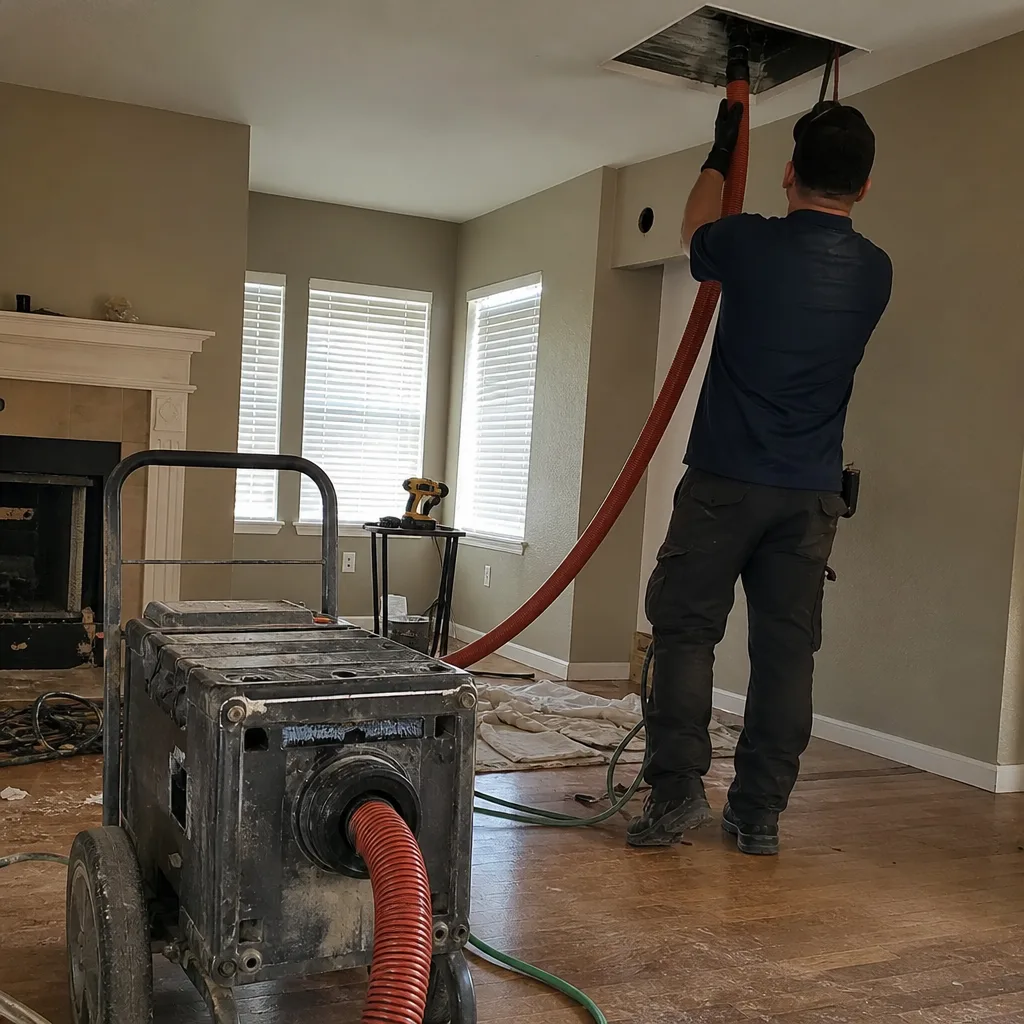
This is where diagnosis matters more than cleaning. A technician using contractor-grade equipment will read the system in this window, not just vacuum it. Our team runs Rotobrush and Nikro systems for the cleaning work itself, and we use the pre-cooling visit to assess whether the real fix is a cleaning or a sealing job. If the ducts are the issue, our air duct cleaning service covers the mechanical cleaning, and our duct repair and sealing work closes the pathway afterward.
Peak Cooling Season (June – September): Filter Load, Condensate, and Insulation Stress
Once the Uptown summer sets in, the system runs flat out, and the maintenance questions change. During peak cooling, filters load faster than at any other time of year, because the blower is moving the most air through the most hours. A filter that would last several months in a low-usage home can be choked in a fraction of that time. When a filter loads, static pressure climbs, airflow drops, and the coil gets less air across it. That’s when the coil runs colder than it should, which drives the same condensation risk from the spring window back inside the system, only now under full runtime.
Peak-season monitoring comes down to a short list:
- Filter load management. Check the filter at least monthly during peak cooling. If it looks visibly gray or you can’t see light through it, it’s overdue. Keep a spare on hand so a Saturday swap isn’t a scramble.
- Condensate drain monitoring. Confirm the drain line runs freely and the pan stays dry. A slow drain in July is the most common cause of water damage calls we see in the cooling season.
- Duct insulation under thermal stress. With the system running near continuously, any weak insulation point has weeks of continuous condensation to work with, not days. Look for staining, soft spots, or a musty smell near supply registers.
- Temperature splits room to room. Uneven cooling in summer is often a duct-sealing problem, not a refrigerant problem. Cool rooms shouldn’t swing several degrees from warm rooms when the blower is running at design pressure.
- Return-air restriction. Furniture or rugs blocking a return grille pressurizes the system and pulls air from leaks instead of through the filter.
If you notice a musty odor that gets stronger when the system runs, that’s a sign the cleaning and sanitizing work should happen now, before the same coil and duct surfaces run warm and wet for another season. Our HVAC cleaning service covers the coil and air-handler side, which is where peak-season musty odors usually originate.
The Pre-Heating Window (October – November): Combustion Risk and Return-Air Paths
The pre-heating window is the phase homeowners underestimate most. It’s easy to assume that a heating system going from off to on is a lower-stress event than cooling season. In a gas-fired furnace, it’s not. The first cycle after months of inactivity is when combustion byproduct issues show up, and if the return-air path shares space with a gas appliance or a mechanical closet, the duct pathway needs a clean before the first heat cycle because return leakage can pull air from the wrong place.
Two priorities dominate this window. First, the combustion side: a trained professional should verify the heat exchanger and flue for cracks, blockages, or soot before the season starts, and this isn’t a DIY check. Carbon monoxide has no smell, and a cracked heat exchanger can distribute combustion byproducts into the supply air. A qualified technician with combustion-analysis equipment is the right person for that inspection.
Second, the return-air path: return duct leakage pulls from whatever space the leak opens into, which means a loose return joint in a mechanical closet can pull combustion appliance air or attic air into your living space. That’s why we treat return-side sealing as part of pre-heating care, not separate from it. Our duct repair and sealing work addresses the return path alongside the supply runs, and a proper pre-heating inspection pairs that with a combustion-safety check. If your system is gas-fired, schedule that inspection in October, before you turn the heat on for the first sustained stretch.
Beyond the safety angle, there’s an efficiency one. Sealed returns mean less heated air escaping into unconditioned space, which is the entire point of getting this work done before the heat cycle starts.
Winter Low-Usage Months: Stagnant Zones and the Case for Off-Season Cleaning
Winter is the quietest season for the HVAC system in Uptown. Heat runs less, the cooling system is off, and the blower spends long stretches near idle. That quiet period is exactly why it’s the best window to schedule a thorough cleaning. When airflow drops, the system stops moving dust through the filter and back out to the return. Settled debris concentrates in the horizontal runs, at the bottom of flex duct sags, and in the dead-end branches of the system. By the time spring comes and the blower ramps up, all of that is sitting in the exact places where it’ll get scoured out and pushed into the living space unless it’s been removed.
Off-season cleaning also has a practical edge. The system isn’t fighting peak load, so a full pathway cleaning covers more of the duct run in a single visit. A thorough cleaning with contractor-grade equipment can reach runs that are harder to address when the system is running hard. And because the cleaning happens while usage is low, the first thing you notice when the heat does come on is a cleaner smell and a cooler, more even first cool cycle, not a cloud of dust from a system that just woke up.
If you’re using this window to clean, it’s also the moment to think about duct repair and sealing. Cleaner air starts with a closed, sealed system, and the quiet months are when it’s easiest to seal joints without disrupting the household. Our team uses Rotobrush and Nikro equipment for the cleaning, and we integrate Aprilaire and Honeywell filtration and air-quality hardware after the cleaning where a whole-system upgrade makes sense. If you’re weighing that path, start with the air duct cleaning baseline and let the diagnostic drive what comes next. The signature indoor-air-quality position here is simple: we don’t just clean, we diagnose, repair, and protect, so a winter visit is a full-system assessment, not a vacuum-only stop.
Winter is also when dryer vent care belongs, since the appliance often runs more in cold months than any other time. Our dryer vent cleaning service pairs naturally with a winter cleaning appointment, and it closes one more pathway that lint and heat can turn dangerous.
How Uptown’s Urban Heat Island Changes the Thermal Load on Your Ducts
Uptown is a dense urban neighborhood, and that changes the physics of your duct system in ways a suburban DFW homeowner doesn’t face. The urban heat island effect means the local air temperature around your building runs warmer than the surrounding metro on a typical summer afternoon. More asphalt, less tree canopy, and heat stored in the building mass mean the ambient load on your HVAC system rises during the same hours the system is already running hardest. That raises the delta between the air your coil has to cool and the air a suburban system would see, so the coil runs colder and longer, and insulation on the supply runs takes more thermal stress.
Three practical consequences follow:
- Shorter filter intervals. Higher runtime means more air moved through the return, which means filters load faster than a suburban home of the same size. In Uptown, the peak-cooling filter check is monthly, at minimum.
- Intervals between full cleanings tighten. A duct system that runs longer hours on a denser schedule accumulates the same load of debris in less calendar time than a suburban system that cycles less. That pushes the interval between full cleanings shorter, not longer.
- Insulation matters more, not less. A warmer ambient temperature means a cold supply run has a bigger thermal gradient to fight, and any thin or missing insulation condenses more aggressively. Uptown supply runs with compromised insulation are the ones that turn into moisture problems in March, not a run buried in a shaded suburban attic.
Property managers in the denser buildings here see this most clearly, because a single riser serves many units and the system never really goes idle. If that describes your building, a full-pathway routine that treats the entire air system as one continuous pathway, rather than a set of separate ducts, is the right approach. Our five core services (cleaning, dryer vent, HVAC, sanitizing, and duct repair/sealing) exist so a property manager can handle the whole pathway with one provider instead of coordinating separate contractors.
A Month-by-Month Inspection Calendar for Uptown Homes
Here’s the full sequence, mapped to the four phases. Think of it as a recurring inspection rhythm for the system, not a list of cleaning appointments:
- Late February: pre-cooling prep. Set up an inspection before the first cooling cycle. Focus on coil, drain pan, and visible supply insulation.
- March: pre-cooling inspection. Confirm the drain runs free, check supply-run insulation integrity at mechanical closets and ceiling penetrations, and inspect duct boots and joints for the first time before humidity arrives.
- April: seal before the transition completes. Get loose joints, boots, and return-side connections sealed before peak cooling starts, so any moisture transfer happens in a closed system.
- May: filter and air handler check. Verify return-air filter fit, filter type, and the air handler’s coil accessibility.
- June – September: monthly filter checks. At minimum once a month, plus a condensate check each time. Any musty smell means a cleaning and sanitizing visit, not a filter swap alone.
- October: pre-heating combustion inspection. For gas systems, a qualified technician checks heat exchanger and flue before the first heat cycle.
- November: return-air path inspection. Confirm return-side sealing, especially in mechanical closets that share space with gas equipment.
- December – February: full cleaning and sealing window. This is the low-usage stretch when a full pathway clean and any duct repair work makes the most sense. Pair with a dryer vent cleaning.
That’s the full calendar. The takeaway isn’t to do all eight steps every year; it’s to know which step belongs in which season and match the work to the environmental phase. If the system has had a full cleaning and a full sealing check in the last year, the calendar collapses to the inspections and the monthly filter checks until the next cleaning is due.
Common Mistakes to Avoid
- Scheduling the big cleaning in peak summer. Summer is when you need the system most and when the filter-to-runtime ratio is highest. The best window for the thorough cleaning is the quiet winter stretch when a full pathway clean isn’t fighting peak load.
- Treating the pre-cooling transition as a non-event. March through April is when moisture first meets a cold coil, and it’s the single most important inspection window in Uptown. Skipping it means the first condensation problem shows up in June.
- Cleaning around a leak instead of sealing it. A duct system that leaks through loose joints and boots will re-contaminate a freshly cleaned pathway within a season. Cleaner air starts with a closed, sealed system, so the repair has to happen alongside the cleaning, not after it.
- Judging filter intervals by a calendar instead of an inspection. In Uptown’s urban heat island, runtime drives filter load, and runtime varies with the building. A “replace every three months” rule of thumb misses a much faster load cycle in a dense building with continuous use.
- Assuming a musty smell is a cleaning problem alone. A musty smell in peak cooling is often a coil and drain-pan problem, not a duct-interior problem. The right service is an HVAC cleaning and coil check, not a duct-only vacuum.
- Doing the pre-heating gas inspection as a DIY project. Combustion-safety checks on a gas furnace require combustion-analysis equipment and a trained eye for heat exchanger and flue defects. This is one place where the professional call is not optional.
- Letting dryer vent care slip in the busy season. A dryer vent that’s overdue in winter is a lint-and-heat concern at the exact time the appliance sees the most use. Schedule it with the off-season cleaning and the job is done in one visit, not two.
When to Call a Professional
Call a professional when the symptom points to the system rather than to a single filter. Persistent musty odors when the system runs, especially with condensation or water in the drain pan, need a diagnostic visit. Uneven cooling room to room in peak summer points to a sealing or airflow problem, not a refrigerant top-off. Any gas-fired system that hasn’t been inspected before the first heat cycle needs a combustion-safety check. Visible dust settling on the register faces within days of a cleaning, or visible mold on a duct surface you can reach, means the cleaning and sealing work should move up the calendar. And if your property manager has been running the same maintenance routine for years without a full-pathway diagnosis, it’s worth a fresh assessment. Air Duct Cleaning Uptown offers free estimates in Uptown. Call (833) 508-9172. We answer 24/7. Fast dispatch from 7am to 7pm, Sunday through Friday.
Frequently Asked Questions
For most Uptown homes, a full duct cleaning is due every few years, with the exact interval set by runtime, building density, and how tightly the system is sealed. Denser buildings with near-continuous runtime accumulate debris faster than a lightly used home, so they sit at the shorter end of the interval. The seasonal inspections are what keep you from guessing. Call (833) 508-9172 for an exact quote. Estimates are free.
Because the first cooling cycle is when humidity meets a cold evaporator coil and cold supply runs for the first time in months, and any insulation weakness becomes a condensation surface. Summer is high-load but the system is already conditioned to the mode. The transition week is the stress event. A pre-cooling inspection catches the problem before it becomes a mold issue.
Whole-system duct cleaning is priced per job by written estimate, not by the vent or by a coupon tile. That means a single flat price agreed before work starts, based on what your system actually needs after an inspection. A system with a sealing problem is a different scope than a system that’s just overdue for cleaning, and the estimate reflects that. Call (833) 508-9172 for an exact quote. Estimates are free.
Because a cheap quote is usually a surface clean with consumer-grade equipment, whereas a full-pathway clean needs contractor-grade systems that can actually reach the branches and horizontal runs. Contractor-grade equipment, a full inspection, and the sealing and repair work that keeps the system clean afterward are all cost inputs. A low tile price tends to leave the root problem in place, so it gets cleaned around rather than fixed.
Ask for before-and-after photos of your own ducts, taken inside the runs during the visit. That’s the clearest evidence a full-pathway clean reached the branches, not just the visible registers. Pair that with a written estimate that sets one flat price per system before work starts, and you have a record of both scope and outcome.
Light surface dust at registers is fine to handle yourself, but a full-pathway clean inside the duct runs needs the equipment and the reach of a professional system. The gas-furnace safety checks in the pre-heating window are definitely professional-only. Cleaner air starts with a closed, sealed system, and getting to that point means sealing the joints a DIY inspection won’t find. Call (833) 508-9172 for an exact quote. Estimates are free.
The Bottom Line
Uptown’s year has four distinct duct-care phases, not two: pre-cooling (March – April) is the highest-risk moisture window; peak cooling (June – September) is about filter load, condensate, and insulation stress; pre-heating (October – November) is about combustion safety and return-air paths; and the winter low-usage stretch is the best time for a full cleaning and sealing. The urban heat island shortens filter intervals and makes insulation integrity matter more than it does in the suburbs. Sequence the work around the seasons, inspect before each transition, and seal as you go so the cleaning actually holds. That’s the difference between duct maintenance that protects your air quality and routine that just fills a calendar. Our technicians have up to 12 years of experience with this sequence, and we treat it as a full-system approach, not a single-service stop.
Air Duct Cleaning Uptown provides five integrated services across the full air pathway: air duct cleaning, dryer vent cleaning, HVAC cleaning, air quality and sanitizing, and duct repair and sealing. We use Rotobrush, Nikro, and Abatement Technologies equipment for the cleaning and remediation work, and we’re authorized to work with Aprilaire and Honeywell systems for post-cleaning filtration and humidity upgrades. The estimate is free, and the price is set per job by the written estimate. Call (833) 508-9172 for a free estimate. We answer 24/7. Fast dispatch from 7am to 7pm, Sunday through Friday. We’re closed on Saturday.
Written by the team at Air Duct Cleaning Uptown.
See the difference
 Before
 After
 Before
 After
 Before
 After