
Last updated November 23, 2026
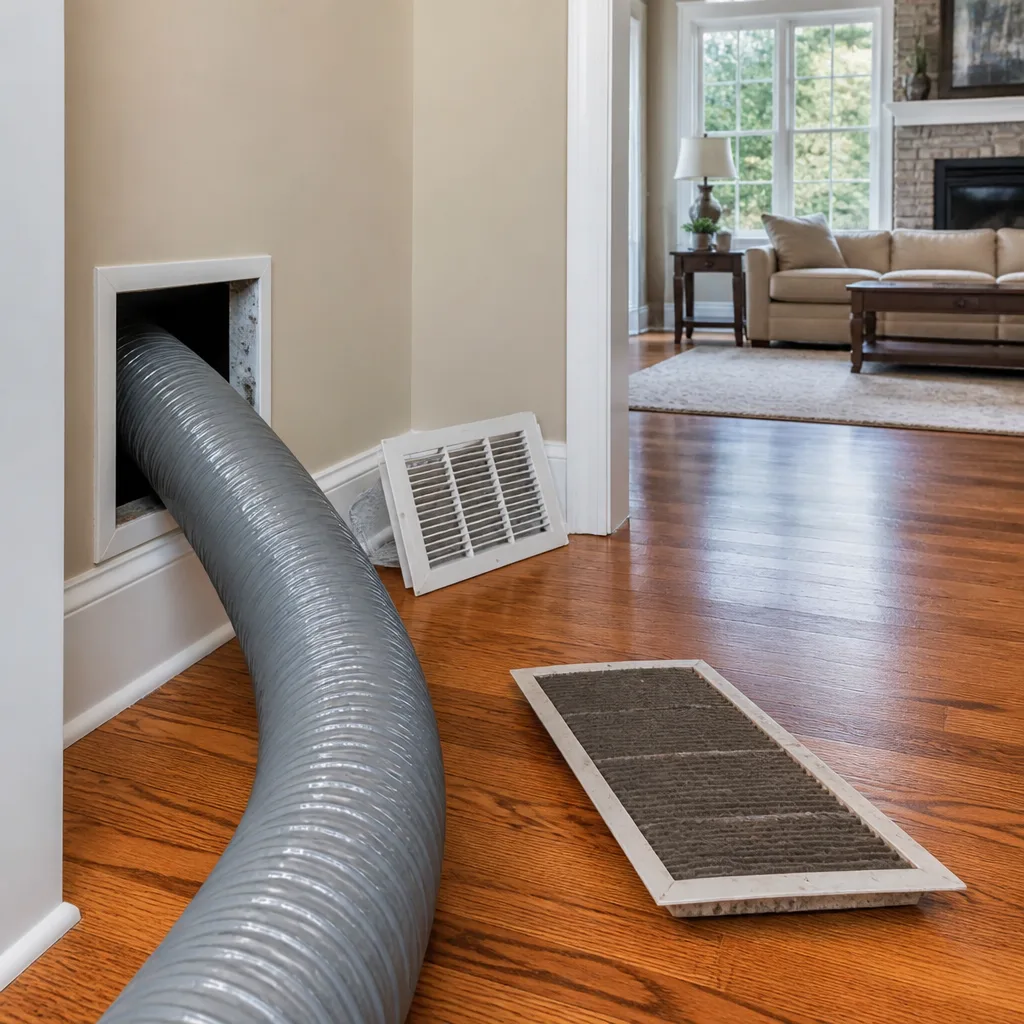 Whole-home duct cleaning
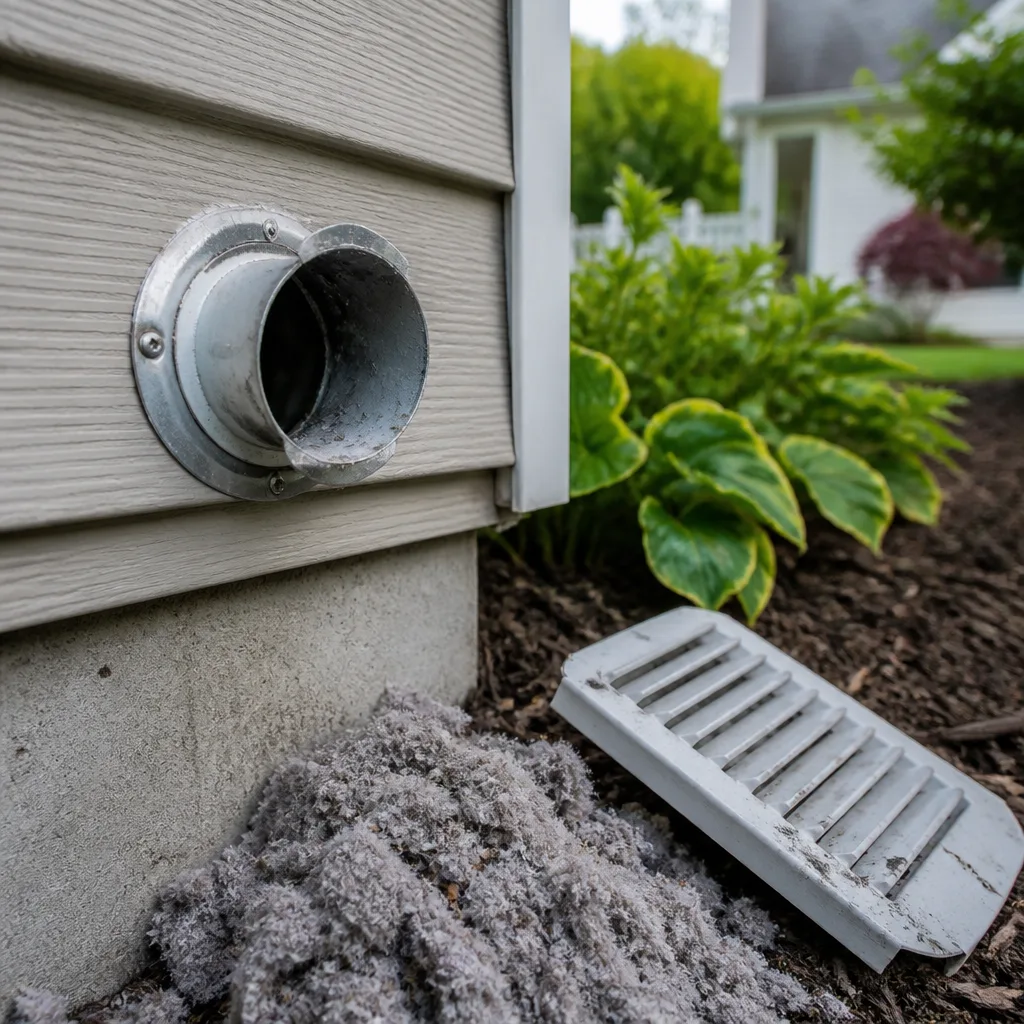 Dryer vent cleaning
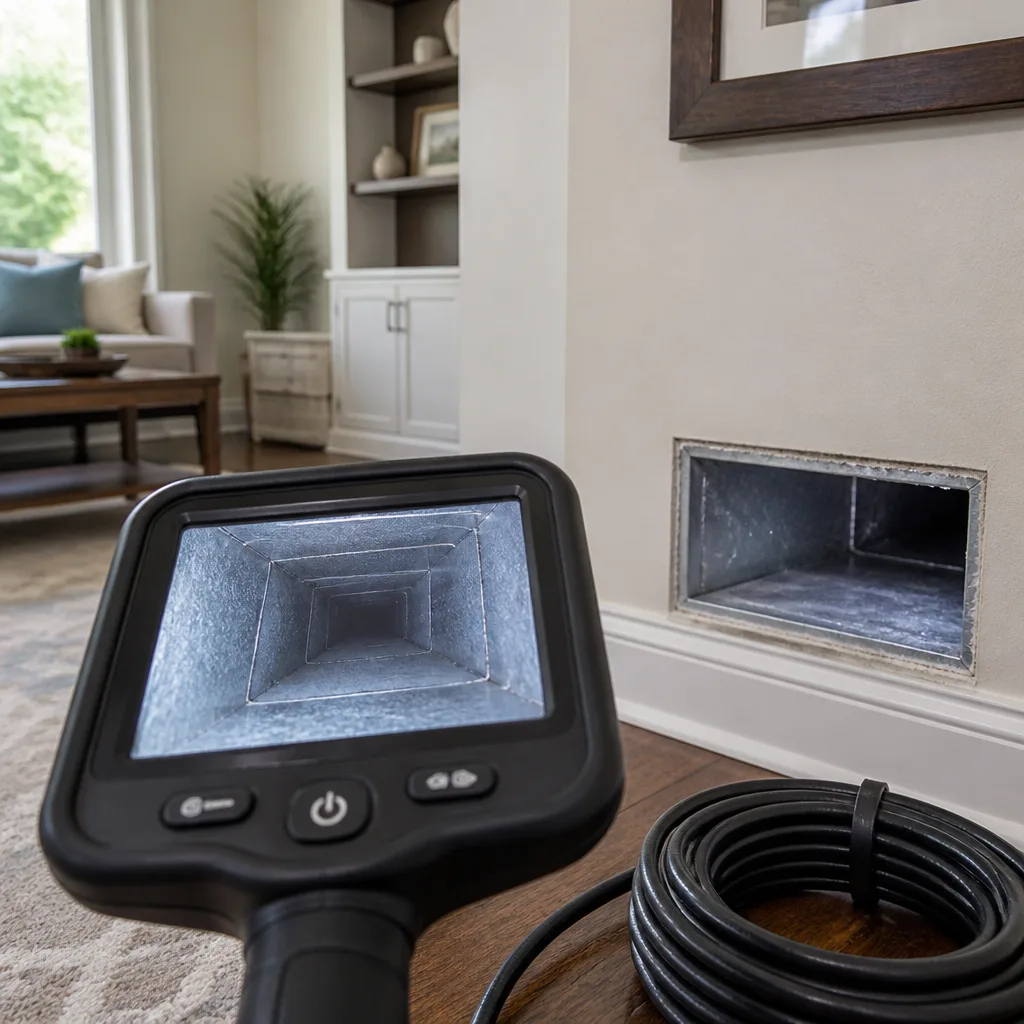 Camera inspection
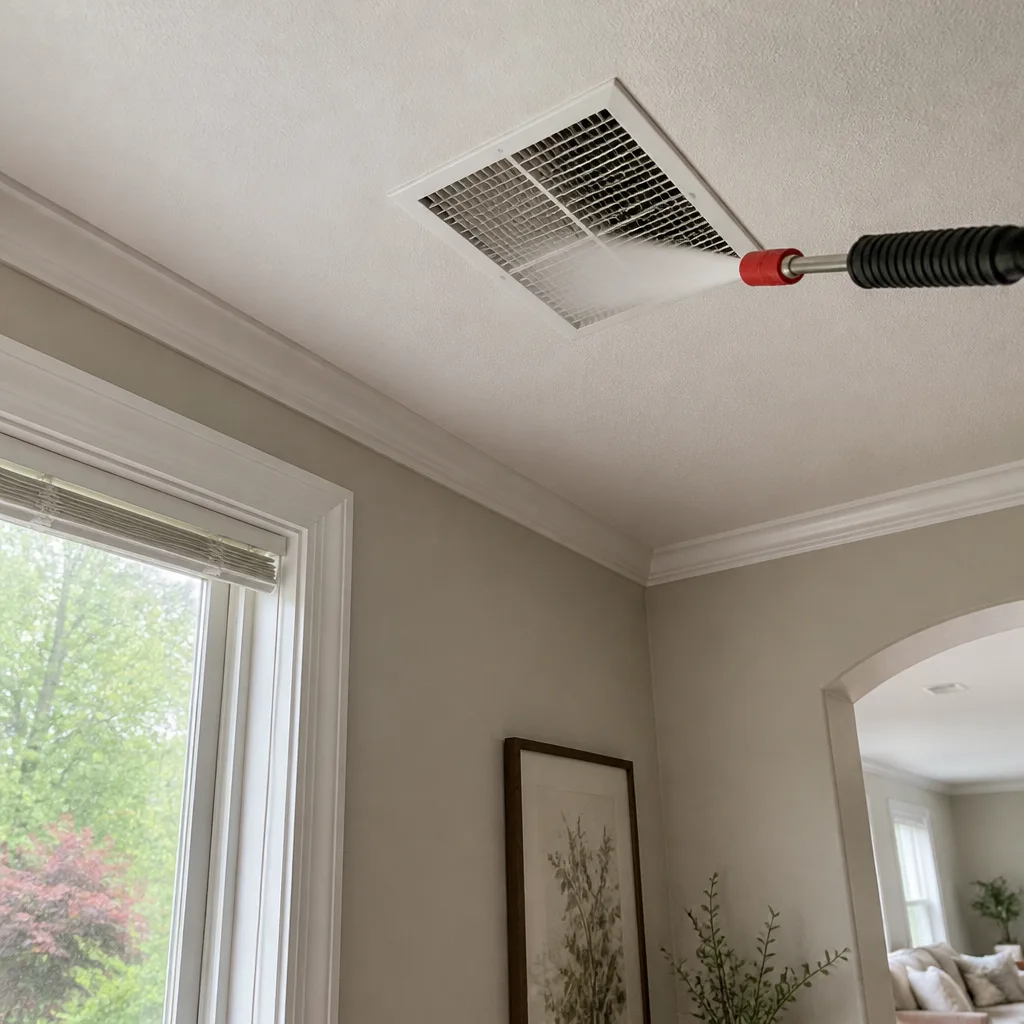 Sanitizing & deodorizing
Whole-system duct and dryer vent check with before-and-after photos - you see exactly what came out of your vents
That "$99 whole-house special" is a bait ad - the real number appears once they are in your hallway, or the "clean" is a shop-vac at the register. We photograph the inside of your ducts before and after instead.
How to Hire an Air Duct Cleaning Contractor in Uptown: A Step-by-Step Guide
In Texas, anyone can legally call themselves an air duct cleaning contractor tomorrow. No state license, no certification, no equipment minimums. That fact surprises most homeowners in Uptown, who reasonably assume the person climbing into their attic with a vacuum has been vetted by someone. The truth is that vetting falls entirely on you, the person writing the check. This guide gives you a structured, question-based framework to separate qualified specialists from vendors who bought a shop vac and a magnetic sign. You’ll learn what equipment questions to ask, the difference between NADCA membership and NADCA certification, the red flags specific to this trade, and exactly what a legitimate written estimate should contain before anyone touches your system in Uptown.
Quick Answer
To hire an air duct cleaning contractor in Uptown, verify four things before booking: the contractor uses a negative-pressure source-removal system with a truck-mounted or heavy-duty vacuum unit, they perform a pre-job inspection with before-and-after documentation, they’re willing to state in writing which NADCA standard the work follows, and their scope covers the full system (coils, blower, registers, and main trunk) rather than just the branch runs. Ask for that scope in writing before any work starts. Price should be quoted per system, not per vent, and a flat “$99 whole house” offer is a warning sign, not a bargain.
Styles & brands we work with
- Whole-home duct cleaning
- Dryer vent cleaning
- Camera inspection
- Sanitizing & deodorizing
Table of Contents
- Why Texas Has No Duct Cleaning License (and What That Means for You)
- The Equipment Questions That Separate Pros from Pretenders
- NADCA Membership vs. NADCA Certification: The Distinction That Matters
- How to Verify the Contractor’s Scope Covers Your Full System
- What a Legitimate Written Estimate Should Include
- Red Flags Unique to the Duct Cleaning Industry
- The Step-by-Step Hiring Process
- What’s Different About Duct Systems in Uptown
Why Texas Has No Duct Cleaning License (and What That Means for You)
Texas does not license air duct cleaning as a standalone trade. There is no state exam, no required apprenticeship, no minimum equipment standard. A company can register a business name and start advertising duct cleaning services the same week. This isn’t a loophole; it’s simply an area the state hasn’t chosen to regulate. Other trades (electrical, plumbing, HVAC mechanical work) carry licensing requirements, but cleaning the ductwork that connects to that HVAC system does not.
What this means practically is that the consumer protection you’d normally expect from a licensed trade doesn’t exist here. Nobody is checking equipment quality. Nobody is verifying that the technician knows the difference between a supply trunk and a return chase. The burden of due diligence belongs entirely to you, and the questions you ask before hiring are your only real filter.
The good news is that the questions themselves are straightforward, and a qualified contractor will answer them without hesitation. The vendors who can’t answer them will usually reveal themselves quickly. In our experience working across Uptown neighborhoods, the difference between a specialist and a generalist shows up in the first two minutes of a phone call.
There is one legitimate industry standard to anchor against: the NADCA (National Air Duct Cleaners Association) ACR standard, which describes the accepted assessment, cleaning, and restoration process for HVAC systems. A contractor who knows that standard exists and can tell you which version they work to is already ahead of most of the field in Uptown.
The Equipment Questions That Separate Pros from Pretenders
Equipment is the single most reliable filter. Duct cleaning done properly requires a vacuum source powerful enough to put the entire duct system under negative pressure while agitation tools loosen debris from the walls. A shop vacuum and a spinning brush in one vent will not do this, no matter how long the technician works.
Ask these questions directly, and listen for specific answers:
- “Do you use a negative-pressure source-removal system?” This means the vacuum pulls from one point (usually the main trunk or a dedicated access) while the technician works the system from the other end, so dislodged debris is captured rather than pushed into the living space. The answer should be an immediate yes with an explanation, not a pause.
- “What’s the CFM rating of your vacuum unit?” CFM (cubic feet per minute) is the airflow measure that tells you how much suction the unit actually generates. A serious contractor knows their number. A vendor who doesn’t know what CFM means isn’t running proper equipment.
- “What agitation tools do you use?” Compressed air whips, rotary brushes, and specialized nozzle tools are the standard. These are what actually knock debris off duct walls; suction alone just pulls loose dust.
- “What brand of equipment?” Professional-grade brands like Rotobrush and Nikro are standard in contractor work. Consumer-grade equipment sold at retail is not the same class, even when it looks similar.
Our own approach relies on Rotobrush and Nikro systems because they’re built for the kind of source-removal work that gets the whole system clean rather than just the visible registers. When a contractor can speak fluently about their equipment, they usually have a reason to: they chose it deliberately. That’s the conversation you want to have before you book anything in Uptown.
NADCA Membership vs. NADCA Certification: The Distinction That Matters
Here’s a distinction most homeowners miss entirely: NADCA membership and NADCA certification are two different things. A company can pay membership dues and use the logo without any individual technician having passed the Air Systems Cleaning Specialist (ASCS) exam. Membership signals that a company has chosen to affiliate with the industry body. Certification means at least one person on the crew has been tested on the technical standards of the trade.
Both have value. Membership requires a commitment to the association’s code of ethics, which is a meaningful baseline. But certification is the stronger signal, because it involves testing, continuing education, and a documented knowledge base. When you’re vetting a contractor in Uptown, ask specifically: “Is anyone on your crew NADCA-certified, and can you tell me which certification?”
You may also hear about the Ventilation Maintenance Technician (VMT) credential, which is a newer NADCA certification focused on the practical side of system cleaning. Any of these is a positive sign. The key is that the contractor can name the credential and explain what it required.
One caution: logos on a website are not proof. If certification matters to you (and in a state with no licensing, it should), ask for the name of the certified individual and verify it through NADCA’s directory. A legitimate contractor won’t be offended by the question. They’ll be glad you asked, because it means you’ll recognize the difference between them and the company down the street that prints the same logo without the credential behind it.
How to Verify the Contractor’s Scope Covers Your Full System
Most complaints about duct cleaning come down to one issue: the contractor cleaned only the branch runs, the narrow ducts that feed individual registers, and left the main trunk, the blower, and the evaporator coil untouched. That’s not a scam in the legal sense. It’s just a narrow scope that leaves most of the contamination in place.
A full-system scope should include all of the following, and you should confirm each one in writing:
- All supply registers and return grilles removed, cleaned, and reinstalled
- The main supply and return trunk lines, not just the branches
- The air handler or furnace cabinet, including the blower wheel
- The evaporator coil (or an assessment if access is restricted)
- The plenum connections at the air handler
- Access cut-ins where the system lacks them, with proper sealing afterward
Ask the contractor to walk you through the scope line by line. A specialist will describe the sequence: what gets cleaned first, how the negative pressure is set up, and how the system is returned to service. Someone who only wants to quote a per-vent price and get started is telling you something about their process.
This is also where duct repair and sealing come into the conversation. Cleaning a system that has disconnected joints or unsealed plenums is wasted effort, because the debris and the air leaks return. A contractor who inspects for leaks and offers sealing as part of the work is addressing the root cause. A contractor who doesn’t mention it has either not looked or not cared to. You can read more about how air duct cleaning fits into the broader system picture if you want the technical background.
What a Legitimate Written Estimate Should Include
Get everything in writing before anyone picks up a tool. Verbal quotes are the most common source of disputes in this trade, and a written estimate is your only real protection. A proper estimate in Uptown should contain all of these elements:
- The exact scope of work, itemized by component (trunks, branches, registers, blower, coil, plenum).
- The NADCA standard the work will follow (usually ACR 2021 or the current version). This tells you the contractor operates to an external benchmark, not their own definition.
- The equipment to be used, including the vacuum type and agitation tools.
- Any access work required, and whether cut-ins will be made, sealed, and restored.
- Before-and-after documentation: photos or video of the system internals taken at the start and end of the job.
- A firm total price per system, not a per-vent rate that can balloon based on how many registers you happen to have.
- What happens if additional issues are found (disconnected ducts, microbial growth, damaged flex runs), and how those would be priced if approved.
- Sanitizing details, if included: which product, and whether it’s appropriate for your system and household.
That last point matters. Sanitizing is sometimes necessary and sometimes not, and a contractor who recommends it in every single job without inspecting the system first is upselling rather than diagnosing. A proper approach uses Guardsman-brand treatment products only where the inspection supports it. For a broader look at what a full job involves on the HVAC side, see our page on HVAC cleaning.
Red Flags Unique to the Duct Cleaning Industry
This trade has a specific set of warning signs, and recognizing them is easier than you might expect. Watch for these:
- Flat-rate “$99 whole house” or “$49 per vent” offers. These prices exist because the scope is minimal or the upcharge conversation happens on-site. A whole-system job requires time, equipment, and labor that a $99 price cannot cover honestly.
- No pre-job inspection. A qualified contractor inspects before quoting, because the scope depends on what’s actually in the system. Quoting without looking is guessing.
- No before-and-after documentation. Photos and video are the standard way to prove the work was done. If a contractor can’t or won’t provide them, you have no way to verify what happened in your ducts.
- Pressure to sanitize everything, every time. Legitimate sanitizing is a targeted response to a specific finding. Universal sanitizing without inspection is a sales script.
- Vague answers on equipment. “We use the best equipment available” is not an answer. Specific brand names and CFM numbers are.
- No written estimate. Verbal-only quotes leave you with nothing to hold anyone to.
- Extreme urgency to book today. Duct cleaning is a scheduled job. A contractor who needs an immediate yes is managing their own cash flow, not your air quality.
One additional flag specific to Uptown: be wary of contractors who can’t explain how they’ll handle the particular construction styles common in the neighborhood, from older homes with original trunk lines and patch repairs to newer builds with tighter envelopes and more reliance on sealed systems. Both require a different approach, and a contractor who has done both will say so.
The Step-by-Step Hiring Process
Here’s the sequence we recommend to homeowners and property managers in Uptown. Follow it in order and you’ll get a qualified contractor without weeks of research:
- Start with the system, not the price. Walk your home and note the number of supply registers, return grilles, and the location of your air handler. This tells you what scope your system actually needs.
- Ask the four equipment questions on the first phone call. Negative pressure, CFM, agitation tools, brand. If they can’t answer all four, move on.
- Ask about NADCA certification specifically. Membership is fine. Certification is better. Verify through the directory if you want.
- Request a pre-job inspection. The contractor should look at the system before quoting, not on the day of the job.
- Get a written estimate with the full scope. Itemized by component. Include the NADCA standard, the equipment, the access work, and the documentation commitment.
- Confirm the before-and-after documentation. Ask what format you’ll receive it in and when.
- Walk through the final walkthrough. After the job, ask the contractor to show you what was done and to explain any findings. A specialist will do this without being asked.
This process takes an extra phone call or two, and it filters out nearly every vendor you wouldn’t want in your home. It also makes the job itself easier, because the scope is clear on both sides before work starts. If a dryer vent is part of your airflow system (and it is, in a separate way), we cover that separately in our guide to dryer vent cleaning.
What’s Different About Duct Systems in Uptown
Uptown’s housing stock covers a wide range. Older homes may still be running original trunk lines with patch repairs that have accumulated over the years. Newer builds in the area tend to have tighter envelopes and closed-system construction, which means the ductwork is doing more of the work of regulating air quality. That difference changes what a proper inspection needs to look for.
Mild winters mean the HVAC system runs year-round in one mode or another, with no long seasonal break for dust to settle. Cooling season airflow carries more particulate through the system, and if the filters aren’t keeping pace, that load ends up on the duct walls and coil. It’s a steady accumulation rather than a burst, which is why a once-every-few-years cleaning cadence makes sense for most Uptown homes rather than waiting for a visible problem.
Property managers in Uptown have an additional consideration: unit turnover. Between tenants is the practical window for a full duct cleaning and inspection, because the system is accessible and the work doesn’t disturb occupancy. A written scope with photo documentation also gives you a record for the next tenant’s move-in file.
Air quality equipment shouldn’t be overlooked either. After cleaning, filtration and humidity upgrades (Aprilaire and Honeywell systems are standard examples) can make the cleaned system work more effectively. We treat cleaning as the foundation and air quality as the next step, which is why we work with Aprilaire and Honeywell systems for post-cleaning upgrades. Our Air Duct Cleaning Uptown page lays out how these services fit together.
Common Mistakes to Avoid
- Choosing on price alone. The cheapest quote is usually the narrowest scope. A $99 offer covers a fraction of what your system needs, and the difference often gets sold on-site at a markup. Compare written scopes, not just totals.
- Skipping the pre-job inspection. A contractor who quotes without looking can’t know what your system needs. Insist on inspection before the estimate.
- Assuming NADCA membership means certification. They’re different. Membership is an affiliation; certification is tested knowledge. Ask which one applies.
- Not asking for before-and-after documentation. Without photos or video, you have no way to confirm the work. Ask in advance, and confirm the format.
- Letting the contractor set the scope. Read the estimate line by line. If the main trunk, blower, and coil aren’t on it, the job won’t address the actual system.
- Ignoring duct leaks and seal problems. Cleaning a leaky system is a temporary fix. Ask specifically whether the contractor inspects for disconnections and whether sealing is part of the plan.
- Treating sanitizing as mandatory. Sanitizing should follow an inspection finding, not a standard line-item on every quote. Ask why it’s being recommended if it’s on the estimate.
See the difference
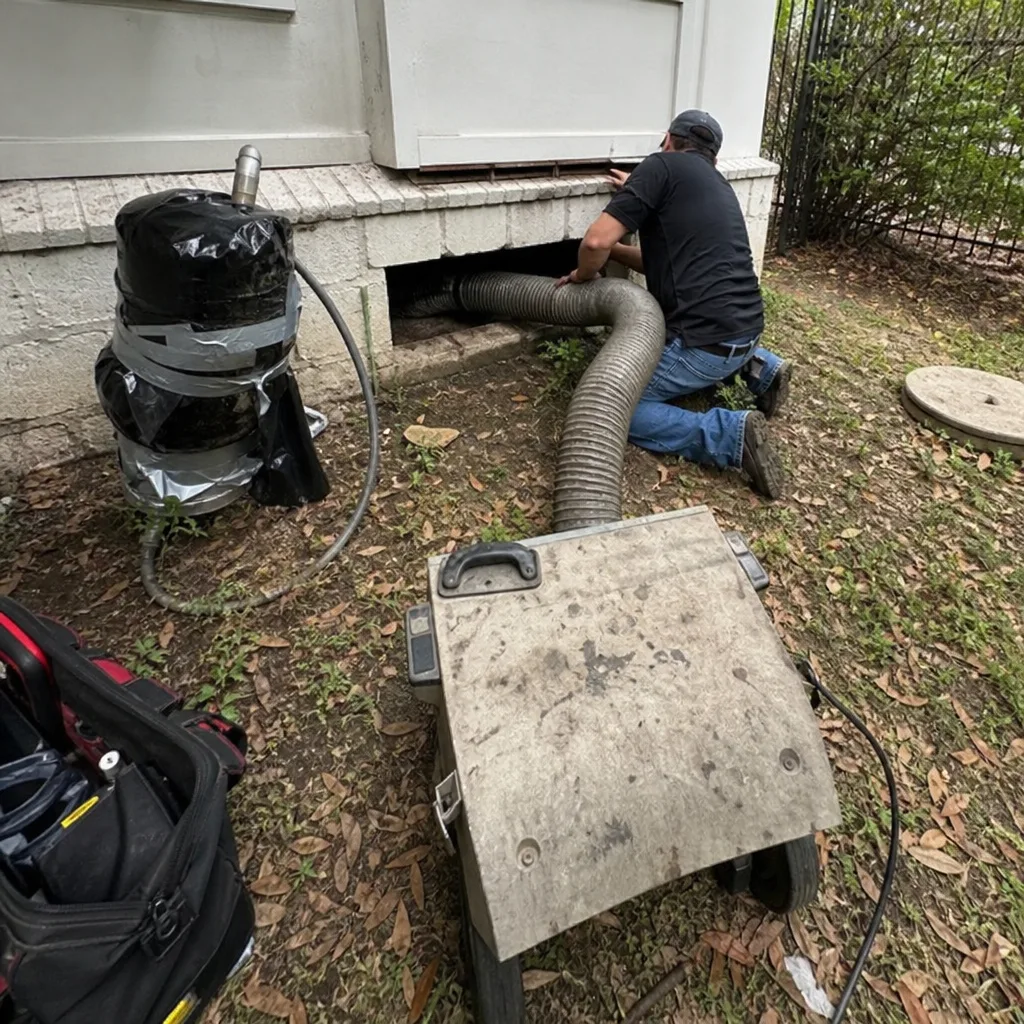 Before
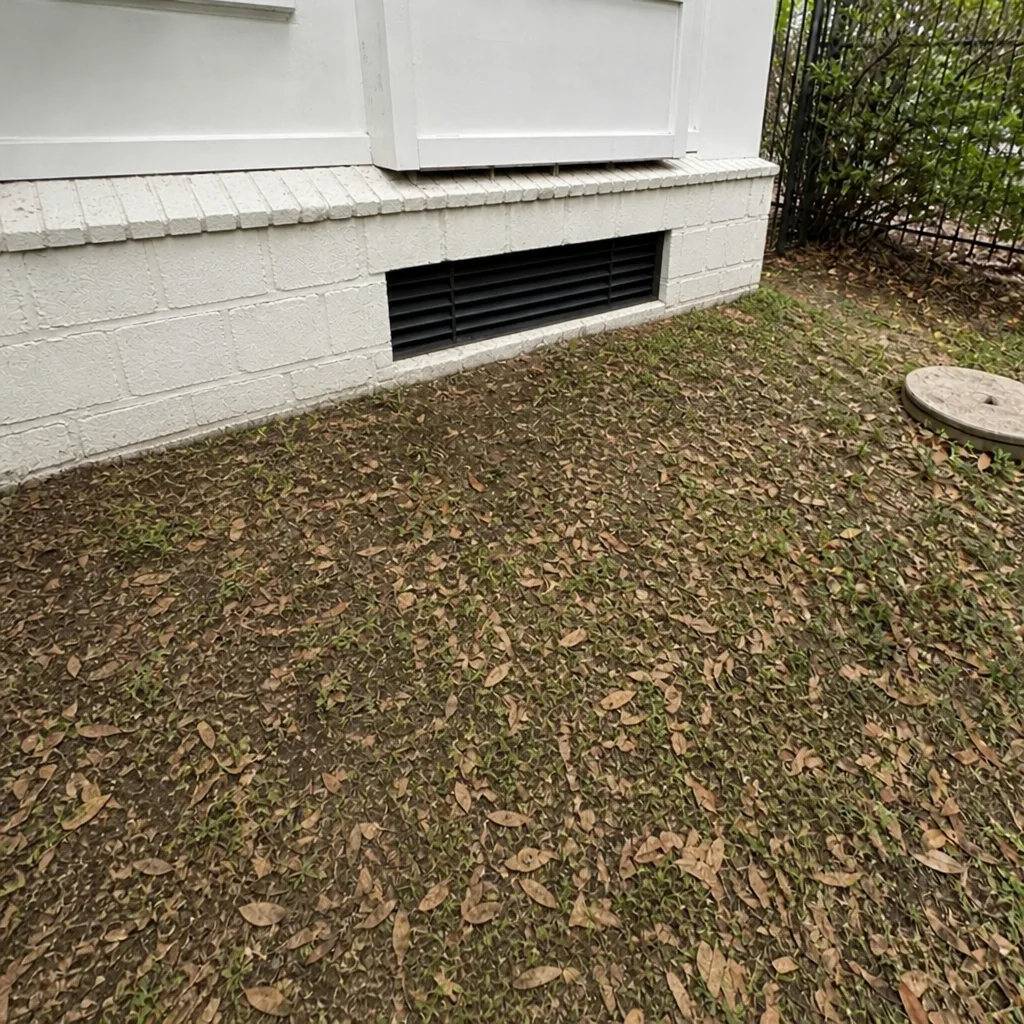 After
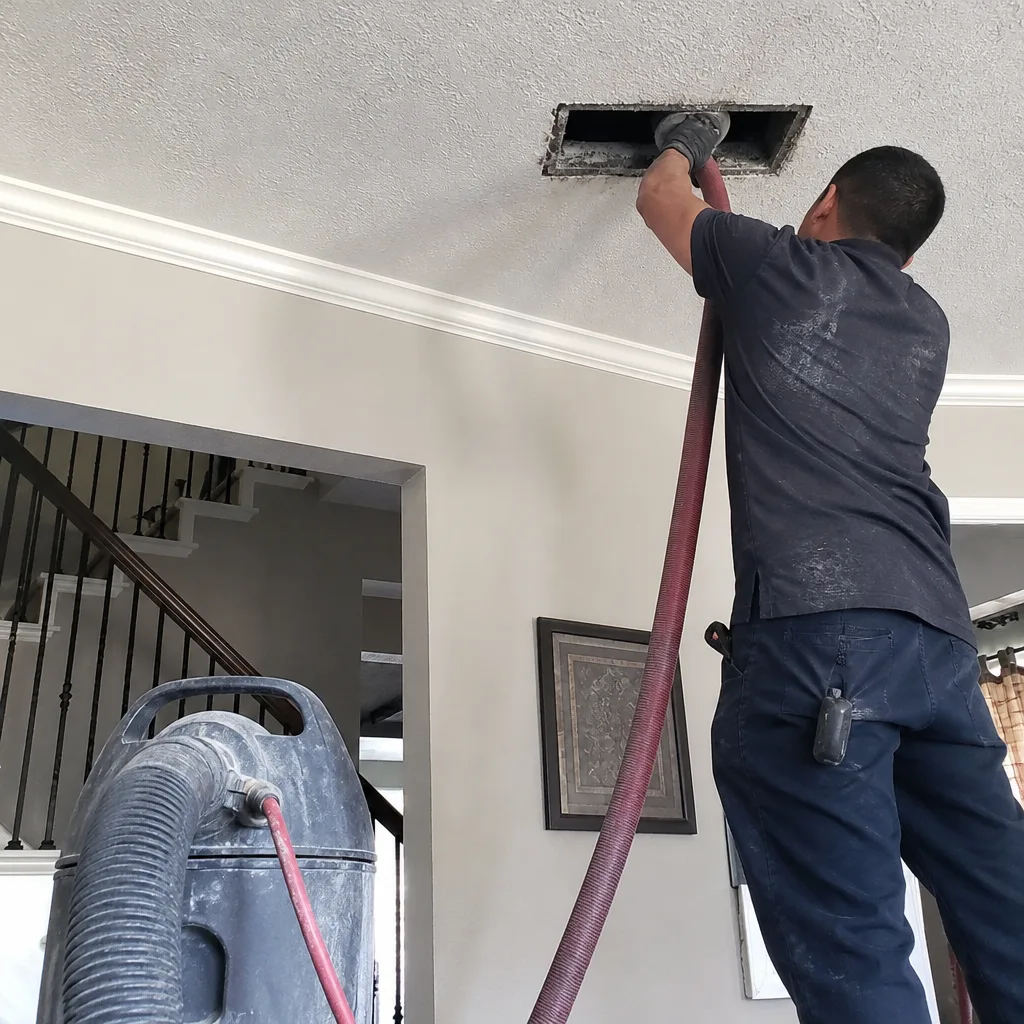 Before
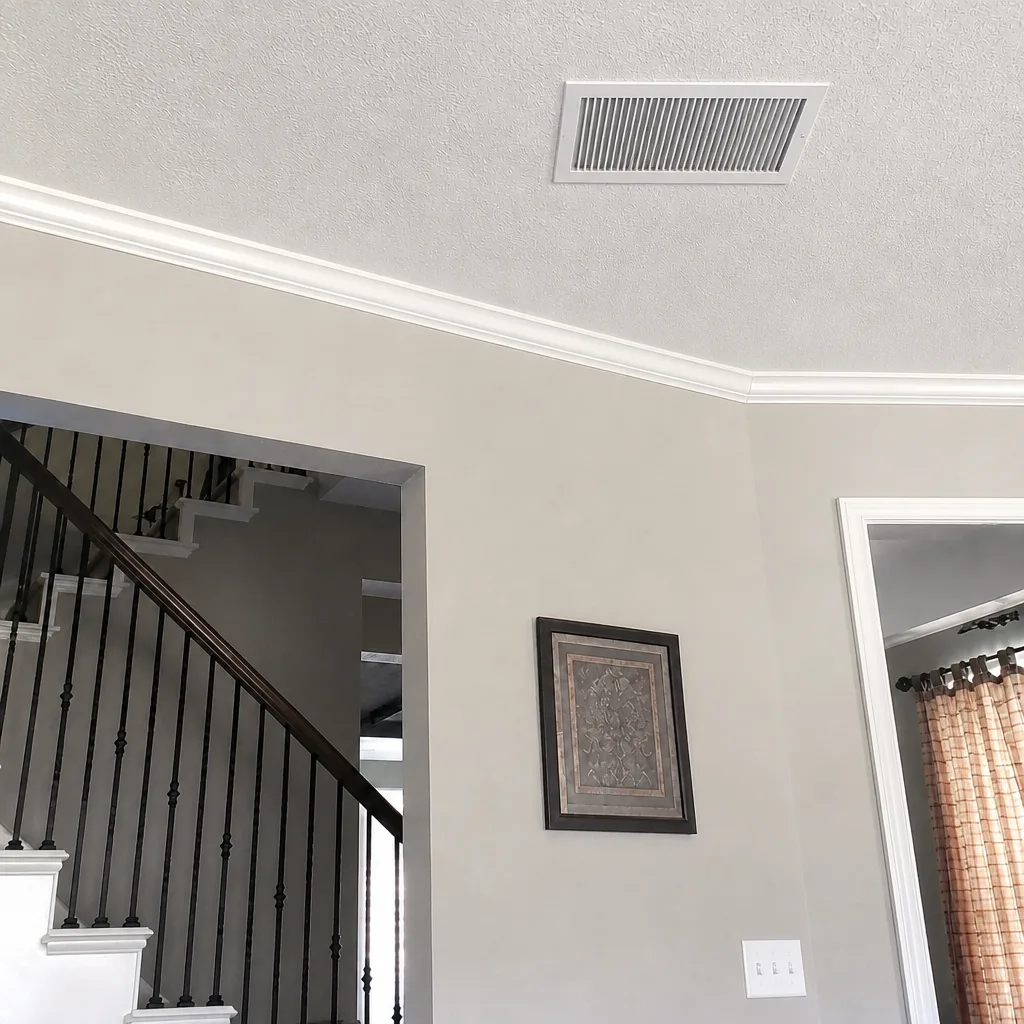 After
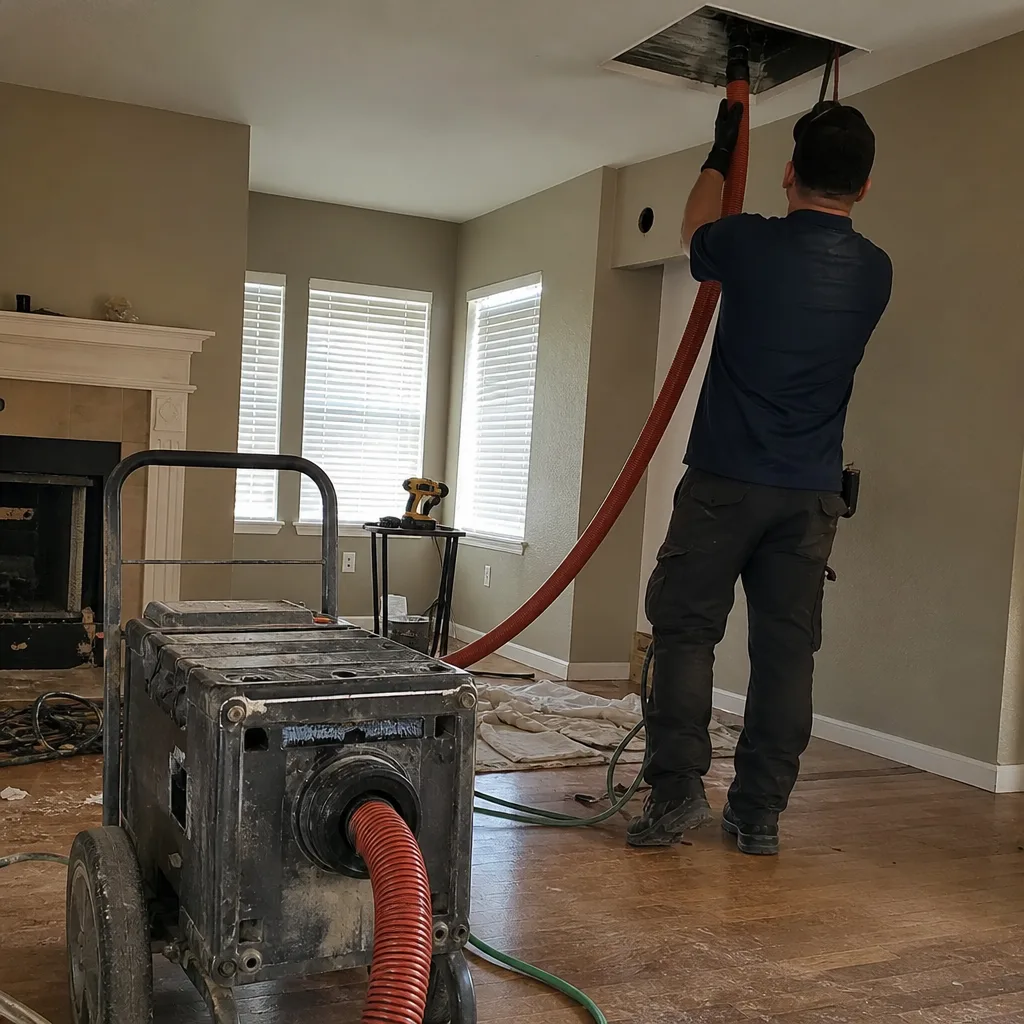 Before
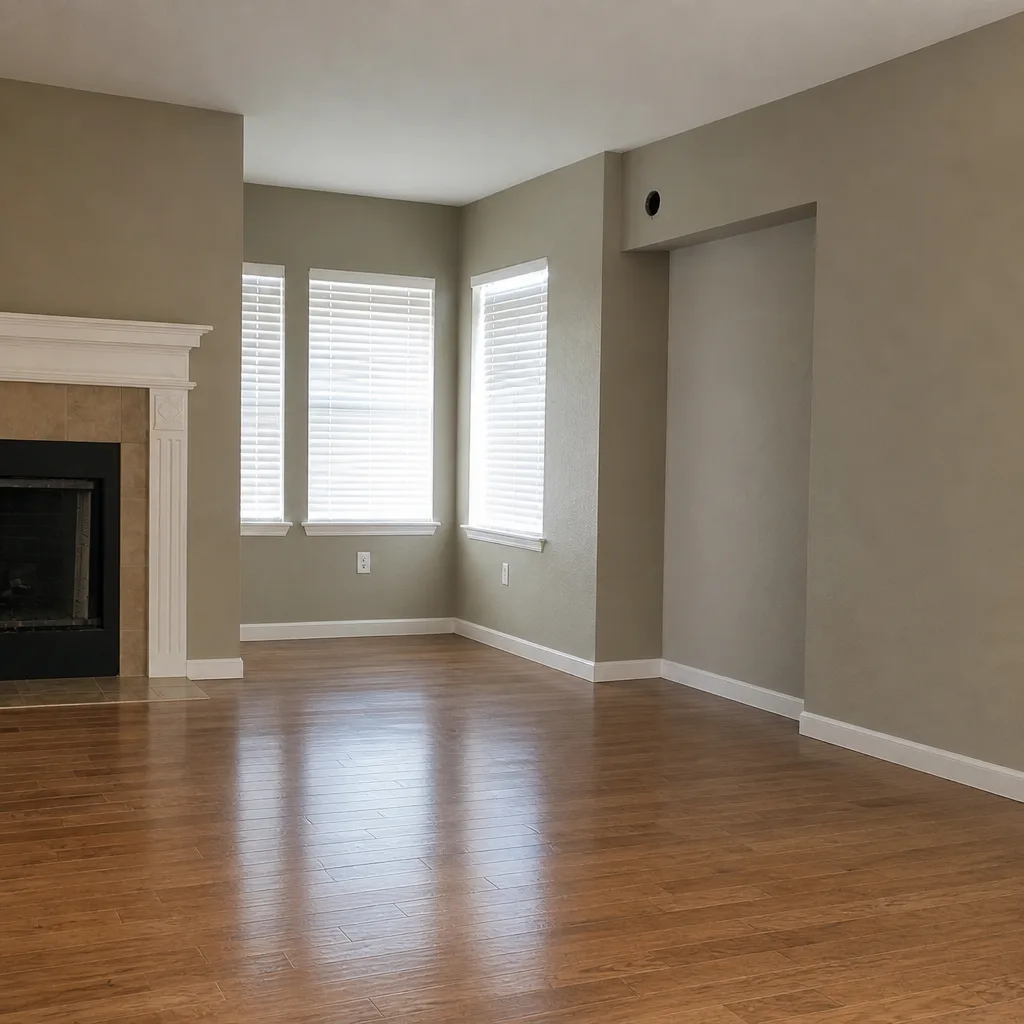 After
When to Call a Professional
Some homeowners wait for a visible problem before calling. In our experience, the following situations call for an inspection and likely cleaning sooner rather than later: persistent musty odors when the system runs, visible dust on vent covers shortly after cleaning, allergy symptoms that flare in certain rooms, uneven airflow between rooms, or a recent renovation that generated construction dust. If a previous contractor’s work is in question, a fresh inspection with before-and-after documentation is the way to verify what’s actually in the system. Air Duct Cleaning Uptown offers free estimates in Uptown. Call (833) 508-9172. We answer 24/7. Fast dispatch from 7am to 7pm, Sunday through Friday.
Frequently Asked Questions
Air duct cleaning in Uptown is priced per system, not per vent, and the exact number depends on the size and condition of your system, the number of components to be cleaned, and any access work required. We give a written estimate before any work begins, so you know the total in advance. A flat teaser price below $150 for a whole house is a sign the scope is minimal. Call (833) 508-9172 for an exact quote; estimates are free.
Lower quotes usually cover less: fewer components, less equipment, or a scope limited to the branch runs. The gap between the advertised price and the final invoice is often closed on-site through upselling. A written estimate that itemizes scope is the best way to compare quotes honestly. Call (833) 508-9172 and we’ll walk through what a real scope includes.
Before-and-after documentation is the standard. A qualified contractor will photograph or video the system internals at the start and end of the job and share it with you. Ask in advance what format you’ll get and when. If a contractor can’t commit to documentation, that’s a red flag. Call (833) 508-9172 to schedule an inspection with photo documentation.
Most Uptown homes do well with cleaning every three to five years, sooner if there’s a renovation, pet accumulation, or visible dust returning quickly. The mild climate keeps HVAC systems running year-round, so accumulation is steady rather than seasonal. A pre-job inspection will tell you what your system actually needs. Call (833) 508-9172 for a free assessment.
Texas doesn’t require it, but certification is the strongest available signal that a technician has been tested on industry standards. Ask specifically whether anyone on the crew is NADCA-certified and which credential they hold. Membership alone isn’t the same thing. Call (833) 508-9172 if you’d like us to explain how our technicians approach this.
Not necessarily. Many contractors clean only the ducts and leave the air handler, blower, and evaporator coil out of scope. A full-system job includes all of those, and you should confirm each on the written estimate before booking. Call (833) 508-9172 to talk through a full-system scope for your home.
The Bottom Line
The core lesson of this guide is that no license protects you in Texas, so the questions you ask are your protection. Verify the equipment (negative pressure, CFM, agitation tools, brand), confirm the scope covers the full system (trunks, branches, blower, coil, plenum), ask whether anyone is NADCA-certified, and insist on a written estimate with a stated standard and photo documentation. Avoid per-vent pricing and “$99 whole house” offers. In Uptown, where the mild climate keeps systems running year-round, a properly scoped job is worth more than a cheap one. Our technicians have up to 12 years of experience, and when you’re ready to talk through a full-system approach, call (833) 508-9172 for a free estimate. We answer 24/7. Fast dispatch from 7am to 7pm, Sunday through Friday.
Written by the team at Air Duct Cleaning Uptown.