
Last updated November 23, 2026
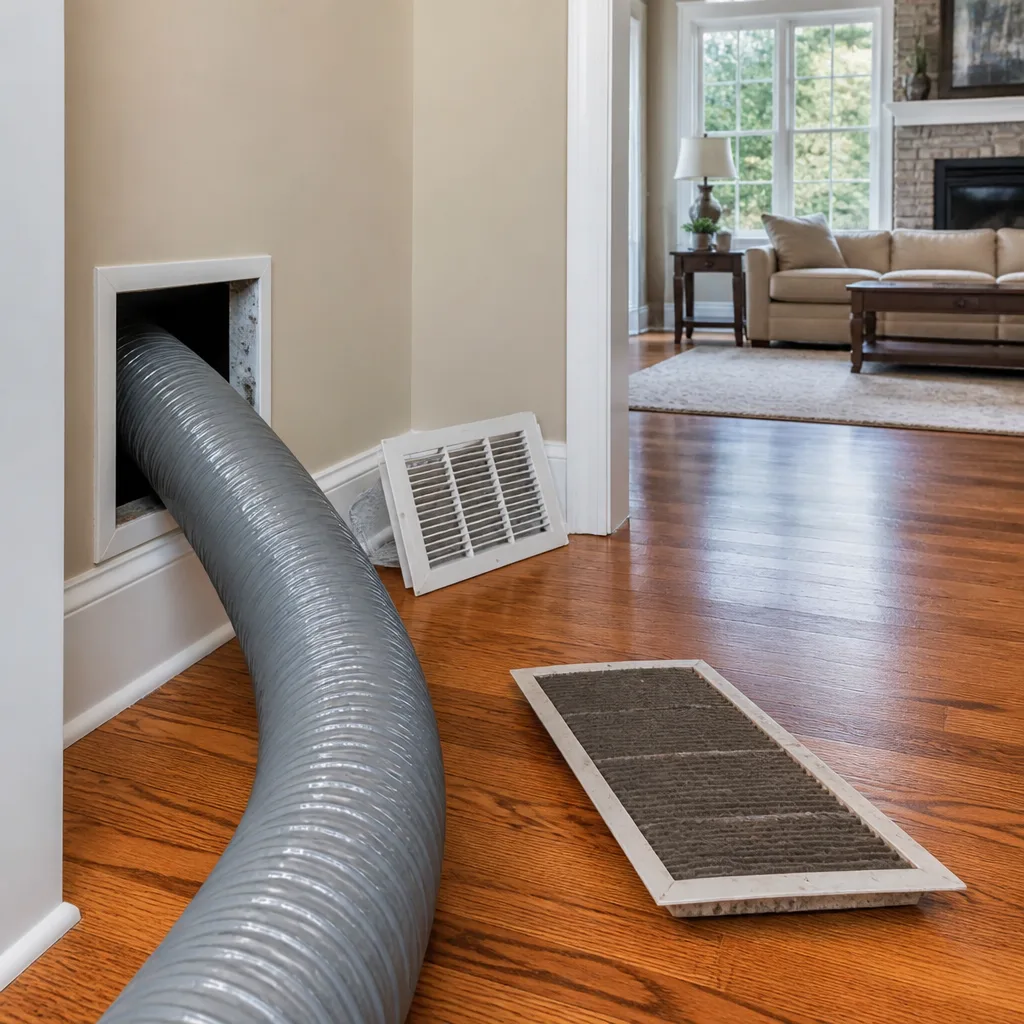 Whole-home duct cleaning
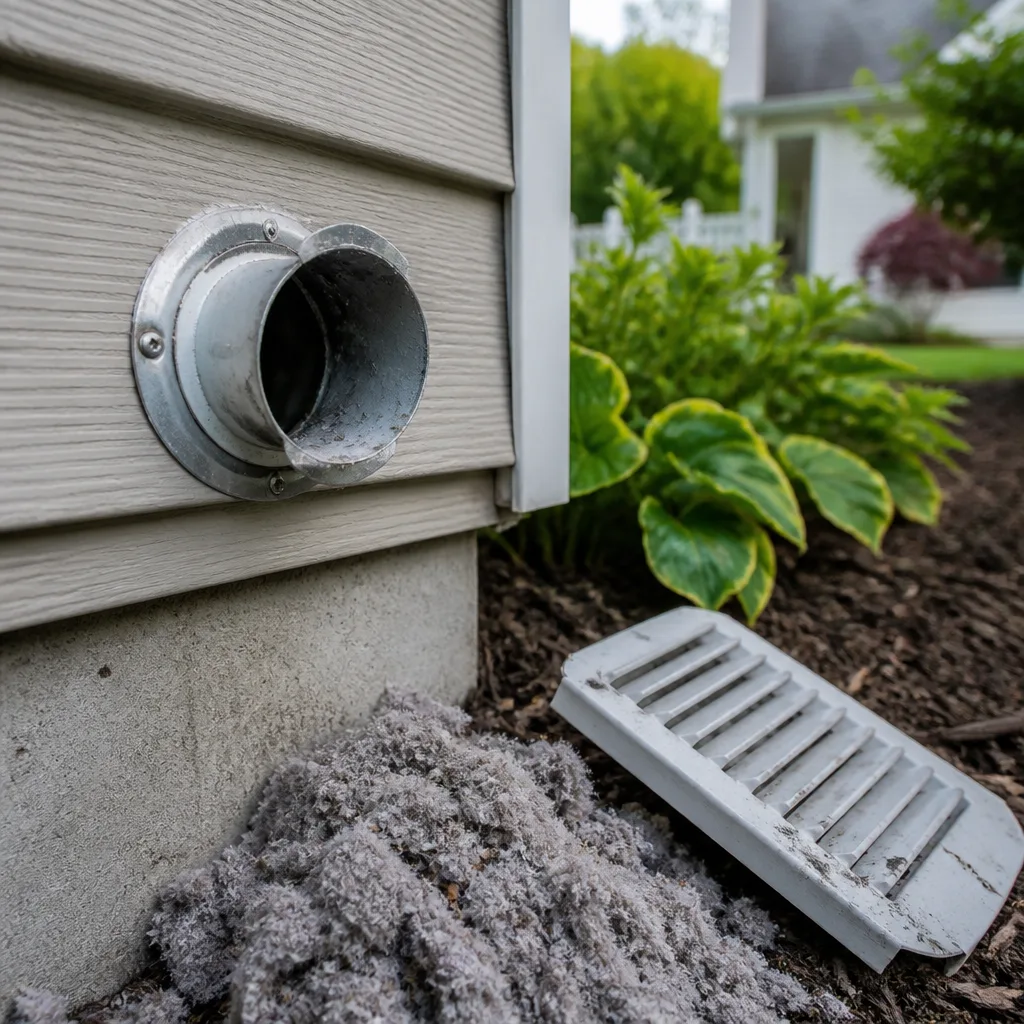 Dryer vent cleaning
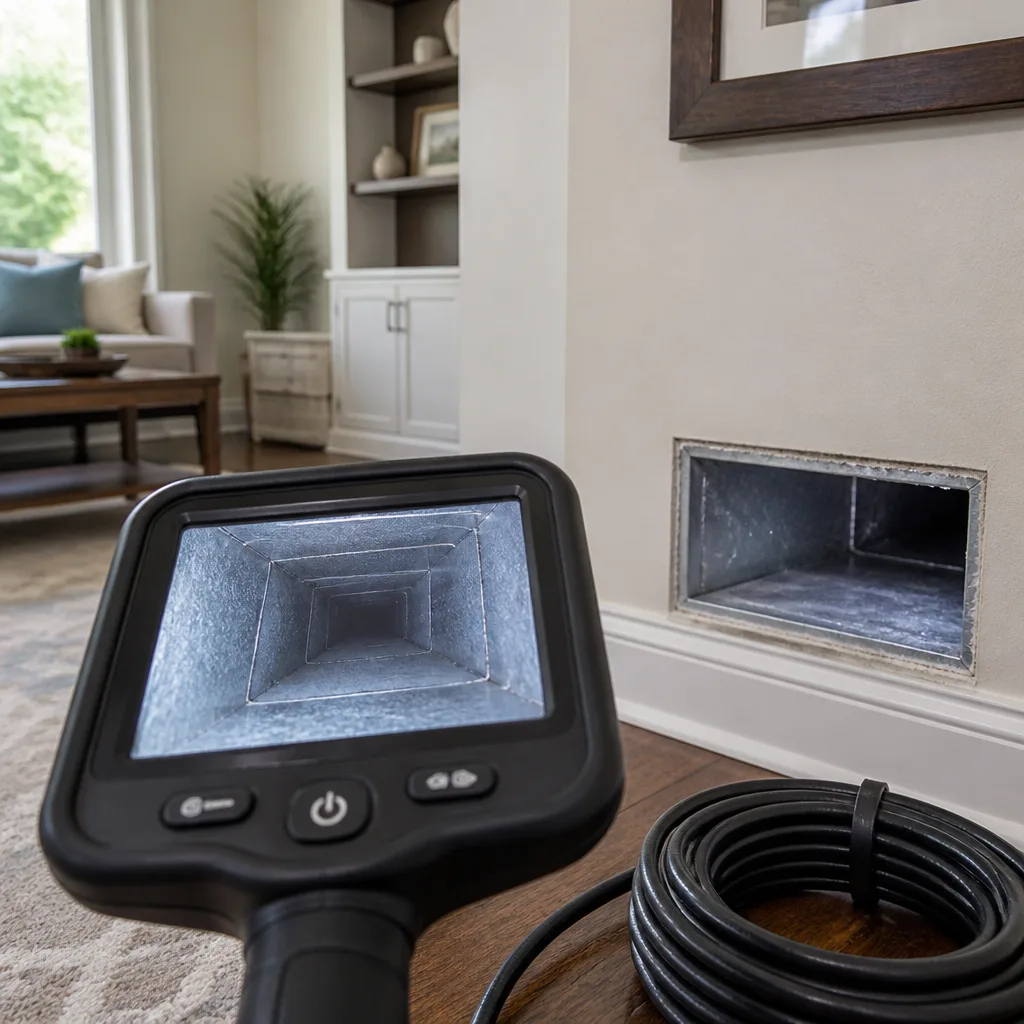 Camera inspection
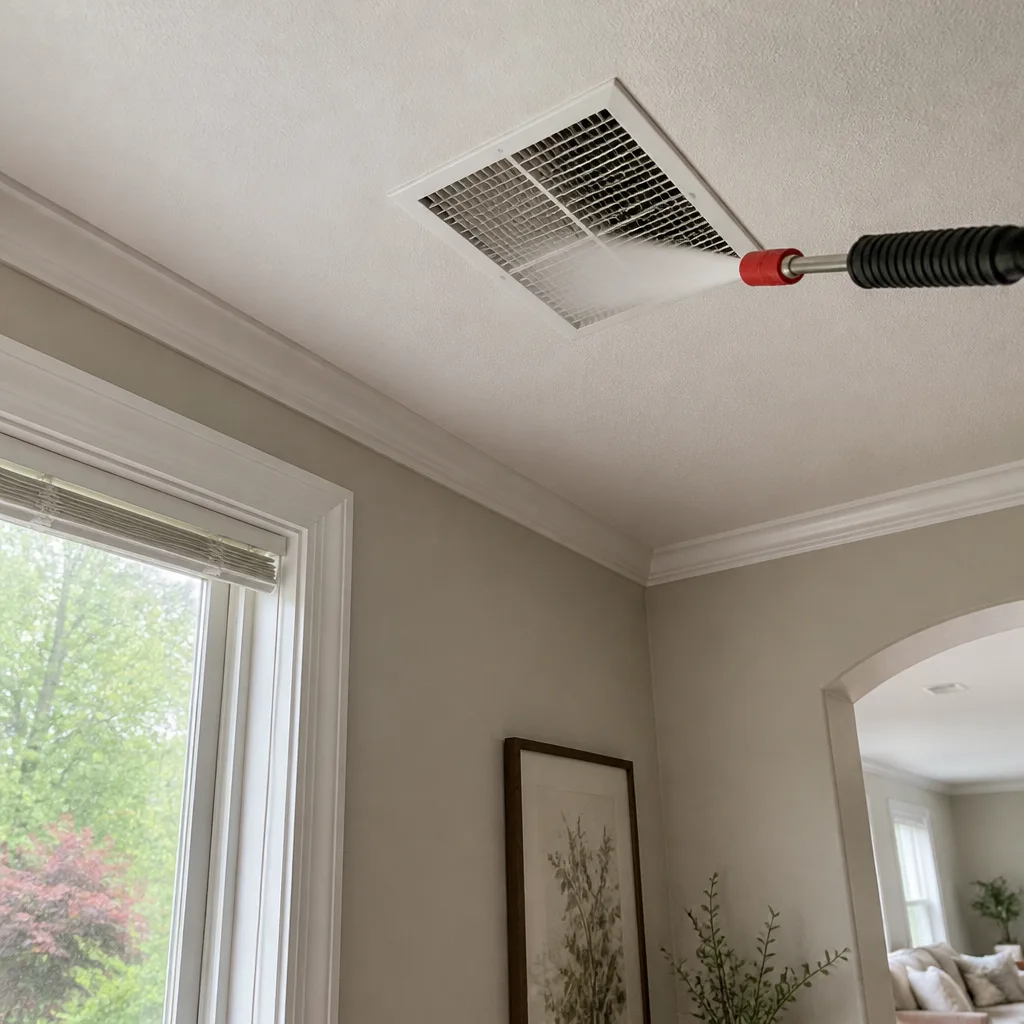 Sanitizing & deodorizing
Whole-system duct and dryer vent check with before-and-after photos - you see exactly what came out of your vents
That "$99 whole-house special" is a bait ad - the real number appears once they are in your hallway, or the "clean" is a shop-vac at the register. We photograph the inside of your ducts before and after instead.
Air Duct Cleaning Permits, Codes & Inspections in Uptown, TX: What You Need to Know
The cleaning might run a few hundred dollars. The duct repair done alongside it, without a mechanical permit, can follow your home for years. It shows up when an insurer asks how water got into a ceiling, when a buyer’s inspector pokes a camera into a return chase, or when a city inspector asks who cut and spliced a trunk line. Most Uptown homeowners assume every duct service is permit-free. Cleaning usually is. Repair and modification often are not. This guide separates the two, explains how the City of Dallas mechanical code applies to duct work inside Uptown’s condos and townhomes, and shows you what documentation to keep so insurance and resale stay simple.
Quick Answer
Air duct cleaning and sanitizing typically need no permit in Uptown or anywhere else in Texas. Duct repair, duct replacement, new duct runs, and any modification that changes the size, routing, or connections of the system usually require a mechanical permit through the City of Dallas, and the work is inspected afterward. If you’re unsure which category your job falls into, ask the contractor to state in writing whether a permit is required before any tool touches the ductwork.
Styles & brands we work with
- Whole-home duct cleaning
- Dryer vent cleaning
- Camera inspection
- Sanitizing & deodorizing
Table of Contents
- Which Duct Services Need a Permit in Texas?
- How Dallas County and City of Dallas Mechanical Codes Apply to Uptown Duct Work
- Duct Sealing in Code Terms vs. Marketing Terms
- What Uptown’s Building Stock Means for Your Permit Question
- How to Request Documentation That Satisfies Insurance and Inspection
- When a Code-Required Inspection Protects You, Not Just the City
- The Permit Process, Step by Step
- Insurance Claims and Resale: Where Unpermitted Work Surfaces
Which Duct Services Need a Permit in Texas?
Cleaning doesn’t require a permit. Repair and modification usually do. That’s the short version, and it covers roughly nine out of ten jobs we’re asked about in Uptown.
Texas leaves building codes to local jurisdictions, so there is no single statewide duct permit rule. In practice, most cities adopt a version of the International Residential Code or the International Mechanical Code, and those model codes draw a clear line between maintenance and construction.
Typically permit-exempt:
- Air duct cleaning with negative-pressure equipment and agitation tools
- Source removal of dust, debris, and biological growth from duct interiors
- Sanitizing and fogging treatments applied to existing duct surfaces
- Replacing filters, grilles, or register covers with like-for-like parts
- Cleaning the air handler, evaporator coil, and blower where no components move or change
Typically permit-required:
- Cutting out and replacing a damaged section of rigid or flex duct
- Bridging a disconnected joint with new duct material rather than sealing the existing joint
- Rerouting a run, adding a supply or return, or changing duct sizing
- Replacing a trunk line or a significant portion of the distribution system
- Any work that changes how the system is balanced or connected to the air handler
The distinction matters because cleaning and repair are often sold together. A contractor finds a crushed flex run buried above a soffit in an Uptown high-rise and offers to “clean and fix it” as one price. That fix is construction. It needs a permit, and the permit is what puts a city inspector’s eyes on the splice before it’s buried again.
Read any proposal carefully for the words “replace,” “reroute,” “extend,” or “new run.” Those signal permit territory. Words like “clean,” “sanitize,” and “seal existing joints” generally don’t.
How Dallas County and City of Dallas Mechanical Codes Apply to Uptown Duct Work
Uptown sits inside the City of Dallas, so the city’s mechanical code governs duct work here, not a separate Uptown ordinance. Dallas adopts and amends the International Mechanical Code as its local standard, and duct repair, replacement, and alteration fall under that code’s duct system provisions.
What that means in plain terms:
- Duct material, insulation, and joint construction have to meet code. When a repair changes duct type or adds new material, the installation has to match the standard, not just look neat.
- Duct systems must be sealed and supported as the code requires. A repair that leaves a sagging flex run with unsupported spans is a code problem even if it “works.”
- Returns and supplies must stay separate. A repair that accidentally ties a return into a supply chase fails inspection, and it also wrecks your pressure balance.
- Penetrations through fire-rated assemblies need firestopping. This is where Uptown’s mid-rise and high-rise construction gets more involved than a single-family job.
Dallas County itself doesn’t issue duct permits. Permits are a city function. So the practical answer to “who do I call about a duct permit in Uptown” is the City of Dallas building department, and the correct permit type is a mechanical permit tied to the specific address.
One more local detail: many Uptown buildings are governed by a property management office that has its own rules for contractor access, elevator use, and work windows. Even a permit-exempt cleaning may need building approval before a crew brings equipment up. We always ask property managers what documentation they want on file before the work is scheduled.
Duct Sealing in Code Terms vs. Marketing Terms
“Duct sealing” gets used loosely. In code terms, sealing is a specific construction step with a defined standard. In marketing terms, it’s often a spray can of mastic waved near a joint.
Here’s the split.
Sealing in a code context: applying mastic, code-approved tape, or gasketing to existing joints, seams, and penetrations so the system meets the leakage and construction requirements of the mechanical code. No duct material is added or removed. The system’s geometry stays the same. In most jurisdictions this is permit-exempt because it’s maintenance on an existing assembly.
Sealing that crosses into repair: installing new duct sections to replace damaged material, adding a collar or takeoff to bridge a gap, or rebuilding a connection that has failed structurally. That’s new construction and generally needs a permit.
“Sealing” as marketing: a vague line item on an invoice for “sealing” with no specification of what was sealed, with what product, or to what standard. It tells you nothing and protects you from nothing.
Ask for the specifics. Which joints were sealed? Mastic, tape, or both? Was any duct material replaced? If the answer is “we sealed the whole system,” press for the list. A contractor using Rotobrush or Nikro cleaning equipment and Guardsman treatment products can tell you exactly what went where, because the work is documented as it happens.
When a joint is sealed without new material, you keep your original system and your original permit history. That’s a cleaner outcome for insurance and resale than a splice nobody inspected.
For more on how a full-system service fits together, see our air duct cleaning service page.
What Uptown’s Building Stock Means for Your Permit Question
Uptown’s housing is not the same as a suburban tract home, and that changes the permit conversation in three ways.
Chases and shared assemblies. A large share of Uptown residences are condos and townhomes where ductwork runs through shared chases and above common-area ceilings. A repair that penetrates a fire-rated wall or ceiling assembly needs firestopping and often a permit and inspection, even when the ductwork itself is inside your unit. That’s where DIY repairs get expensive, because the firestop is the thing inspectors actually check.
Small equipment rooms and tight ceiling cavities. Duct systems in mid-rise Uptown buildings are often compact and densely packed. Repairs in those cavities are more involved than a single-family attic job, and the permit is a way of documenting that someone qualified signed off on what’s now sealed inside a soffit.
Property management rules. Many buildings require contractor insurance certificates, approved vendor lists, and sometimes their own alteration approval before work begins. That’s separate from the city permit and just as important. Ask your property manager what they’ll want on file before you book the work.
Mild winters, long cooling seasons. Uptown’s climate means the HVAC system runs hard through a long cooling season and the heating side gets comparatively light use. Duct problems here tend to show up as condensation and biological growth on cold surfaces in summer rather than winter frost issues. Cleaning addresses that. But if the root cause is an oversized or poorly sealed supply run, cleaning alone won’t fix it, and the repair that would sits squarely on the permit side of the line.
If your ducts are damaged rather than just dirty, our Air Duct Cleaning Uptown team can tell you which category your job falls into before you commit to anything.
How to Request Documentation That Satisfies Insurance and Inspection
Ask for three documents and keep all three. Whether the work was permitted or not, they’re what you’ll need when an insurer, buyer, or inspector asks questions later.
- A written scope of work. It should list exactly what was done, room by room or run by run, and separate cleaning from repair. If a permit was required, the scope should match what was filed with the city.
- Before-and-after photos of your own ducts. Not stock images, not a generic gallery. Interior shots at the same locations before and after. Photos are the simplest proof that the work you paid for actually happened.
- A permit number and inspection record, when a permit was pulled. The permit number, the address, and the final inspection result. Ask the contractor to email the inspection sign-off once it clears. If no permit was pulled and none was required, a written statement to that effect in the scope is useful.
Add a fourth if the job involved a repair: the product data sheets for any mastic, tape, or sealant used on duct surfaces. Most duct sealants need to be low-VOC and rated for duct interior use, and that’s exactly the kind of detail an insurer may ask about after a claim.
Two habits make all of this easy. First, ask for the documentation in writing before the job starts, not after. Second, keep the photos and the scope in the same folder as your HVAC service records. A buyer’s inspector asking “when was the last time these ducts were serviced” gets a clean answer instead of a shrug.
If a contractor hedges on providing any of this, that’s your signal about the job quality. Credible work is documented work.
A dedicated HVAC system cleaning complements all of this, and our HVAC cleaning service is where the air handler and coil side of the system gets addressed.
When a Code-Required Inspection Protects You, Not Just the City
It’s easy to think of a mechanical inspection as a tax on your time. In practice, it’s a second set of eyes paid for by the permit fee, and it’s the reader’s best protection against a repair that was going to fail later.
Here’s what an inspector typically checks on a duct repair, and why each one matters to you:
- Material and thickness. Does the new duct section match the specified type? A contractor substituting thin flex for something heavier saves money on the job and costs you an efficiency problem later.
- Support and sag. Is the duct supported at code intervals, or is it sagging in the middle? Sagging flex runs collect condensation and dust and strangle airflow.
- Joint integrity. Are connections mechanical plus sealed, or just taped and hoped for? Under pressure, undertaped joints leak.
- Firestopping. Where the duct penetrates a rated assembly, is the penetration properly sealed with a listed material? This is the failure that shows up in insurance claims.
- Clearances. Is the duct properly separated from heat sources and combustibles? A shortcut here is a fire risk, not a rounding error.
Each of these is a case where an inspector catches something a homeowner wouldn’t look for and a rushed contractor might skip. The permit fee buys a check on all five.
In Uptown’s multi-family buildings, that inspector’s sign-off also becomes a document the property manager keeps, which is why some buildings prefer permitted work for anything more involved than cleaning. It simplifies their records and yours.
The Permit Process, Step by Step
If your job needs a mechanical permit in Uptown, the sequence is straightforward. The contractor usually handles it, but you should know the steps so you can confirm nothing was skipped.
- Scope the work in writing. Get a written description of exactly what’s being repaired or replaced before anyone files anything.
- Confirm with the City of Dallas whether a mechanical permit is required. For anything beyond like-for-like joint sealing, assume it is.
- The licensed contractor files the permit. The permit goes in the contractor’s name, tied to your address, with the scope attached.
- The work is performed to the filed scope. Any change in scope should be filed as a revision before the work is done, not after.
- The contractor requests the final inspection. The inspector reviews the work with a camera or by opening accessible access points.
- You receive the inspection sign-off. Keep it with your home records. This is the document your insurer or home inspector will want to see.
Two things to watch. First, the permit stays with the property, not the contractor, so keep a copy yourself. Second, if the contractor suggests skipping the inspection “because nobody will know,” that’s the moment to find a different contractor. What an inspector catches is often exactly what fails later.
For reference, our dryer vent cleaning service is a separate scope with its own considerations, and it’s not part of the mechanical duct permit discussion in this guide.
Insurance Claims and Resale: Where Unpermitted Work Surfaces
Unpermitted duct work stays invisible until the day someone goes looking. That day almost always arrives at a bad time.
Insurance. If water damage, a fire, or a mold claim traces back to duct work, the insurer will ask who did it and whether it was permitted. A repair without a permit gives an adjuster a clean argument that the work wasn’t done to code. Even where coverage holds, the claim process gets slower and more adversarial.
Resale. A buyer’s home inspector walks the property with a camera and a checklist. Unpermitted duct modifications show up as mismatched duct material, missing firestop, unsupported runs, or a duct chase sealed with nothing but tape. Any of those can prompt a request for documentation or a price negotiation. Seller’s disclosures in Texas require disclosure of known unpermitted work, which means the issue has to be addressed whether you found it or not.
Property management and HOA. If your building requires alteration approval, unpermitted duct work is a violation independent of the city code. That can mean an order to restore the assembly, at your cost.
The fix is not complicated. For anything beyond cleaning and sanitizing, get a written scope, ask the contractor to confirm in writing whether a mechanical permit is required, and keep the final inspection record. It’s a folder of paper that saves you a fight later.
Common Mistakes to Avoid
- Assuming cleaning and repair are treated the same. They aren’t. Cleaning is maintenance and typically needs no permit. Repair and modification usually do, and bundling them into one invoice doesn’t change that.
- Accepting a verbal “we don’t need a permit for this.” Get it in writing, tied to the specific scope. Vague reassurances don’t survive a home inspection.
- Letting a contractor seal over a failed joint without replacing it. If the duct material has failed, sealing it hides the problem instead of solving it. That’s a repair, and it needs to be done as one.
- Skipping the firestop on a penetration through a rated assembly. This is the single most common code failure we see referenced in Uptown mid-rise duct work, and it’s the one that has the worst consequences in a fire.
- Not asking your property manager what they’ll require. Many Uptown buildings want contractor insurance certificates and alteration approval on file before work starts. Show up without them and the job gets delayed.
- Keeping no documentation. No scope, no photos, no inspection record means no proof the work was done well or to code. Photos of your own ducts, before and after, are the cheapest insurance you can buy.
- Assuming a cheap quote reflects the full job. A price that doesn’t include permit costs or firestopping isn’t cheaper; it just moves the cost to you later. Ask what’s included and what’s excluded.
See the difference
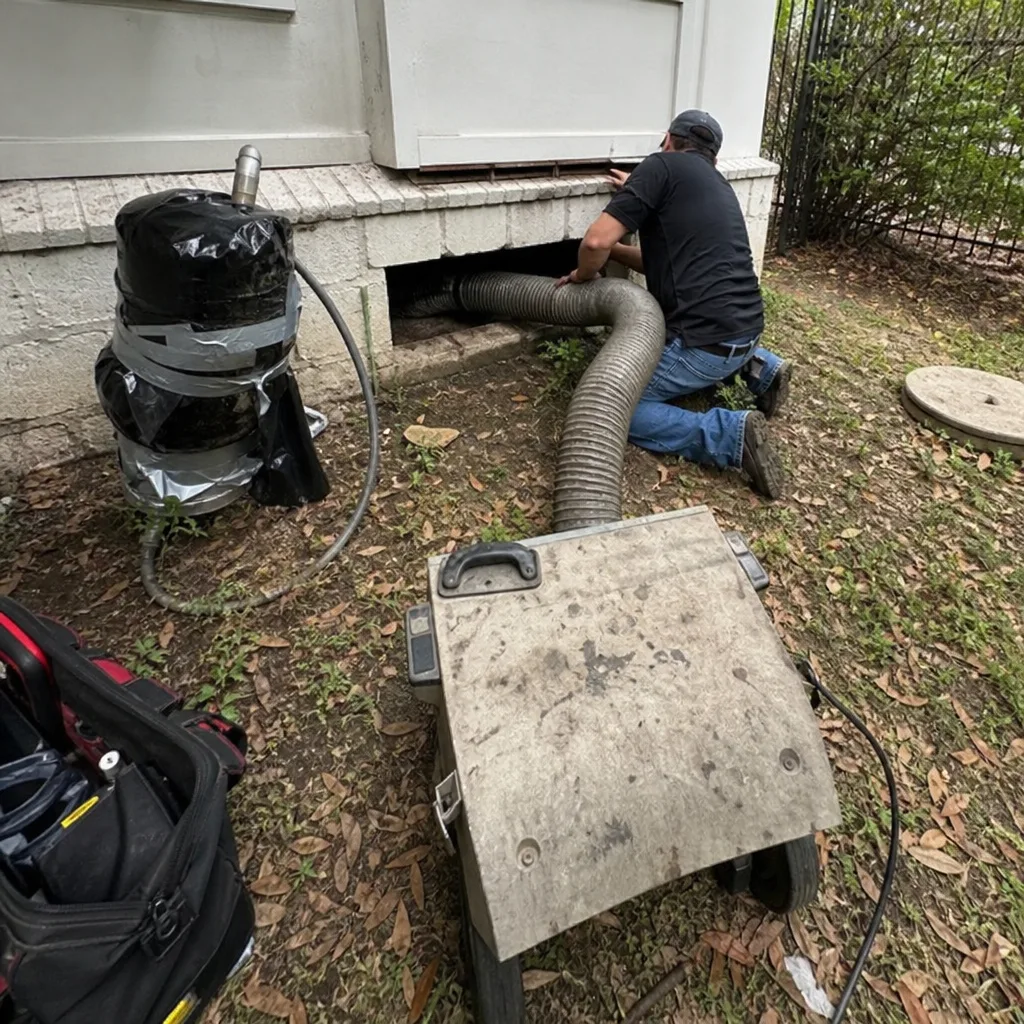 Before
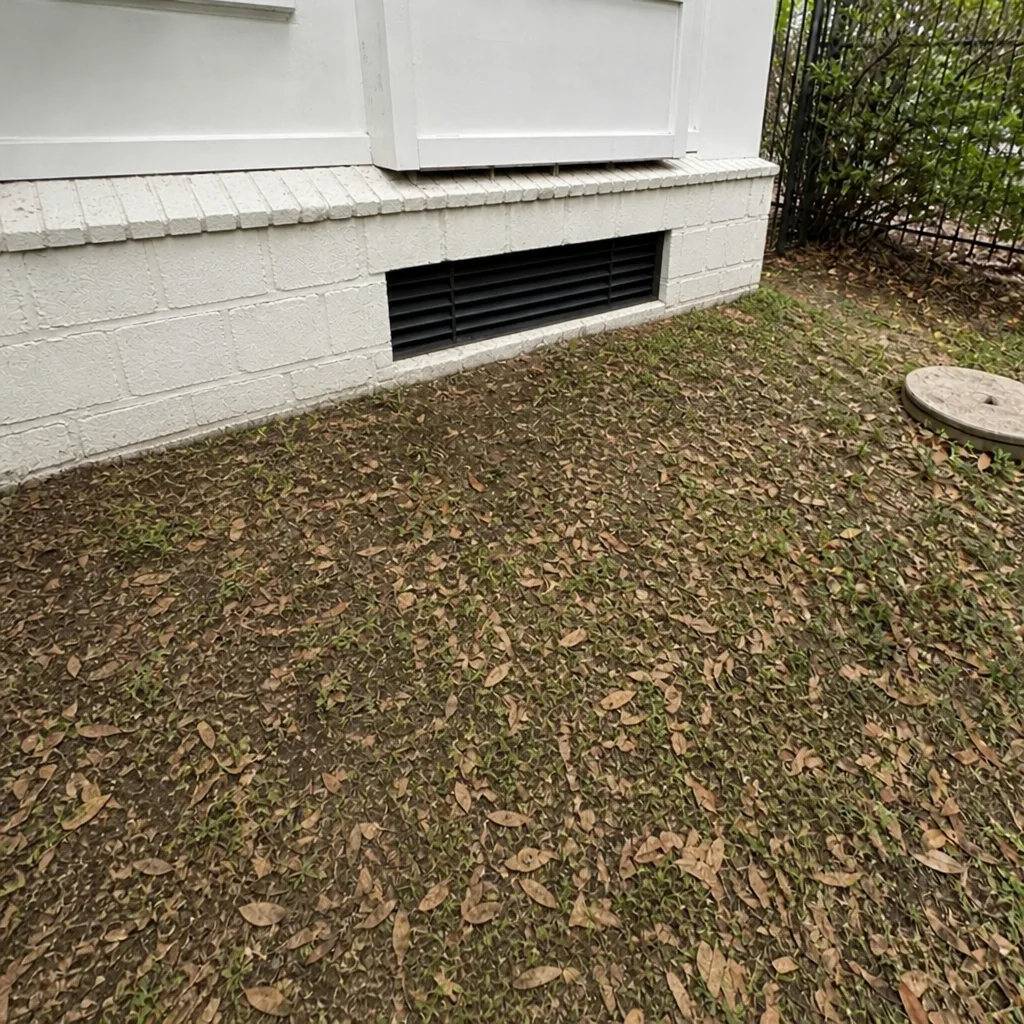 After
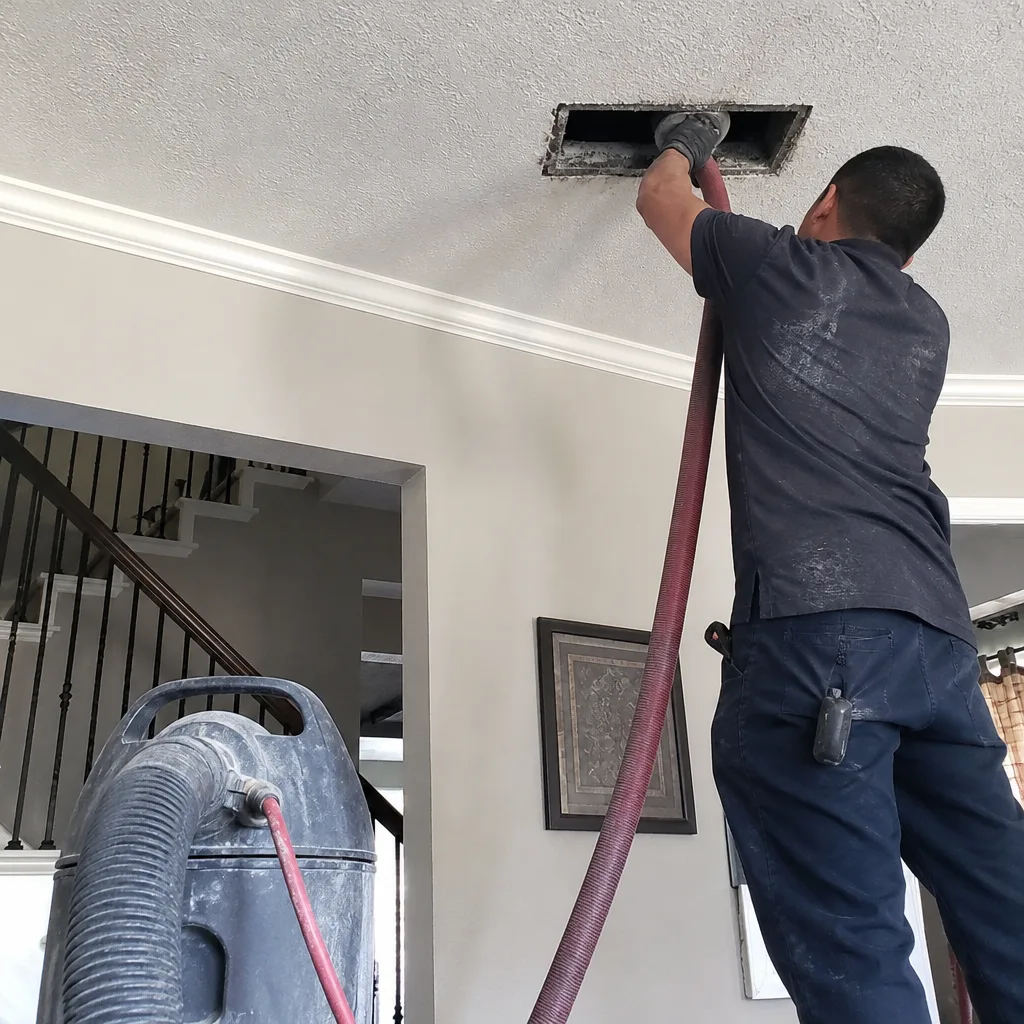 Before
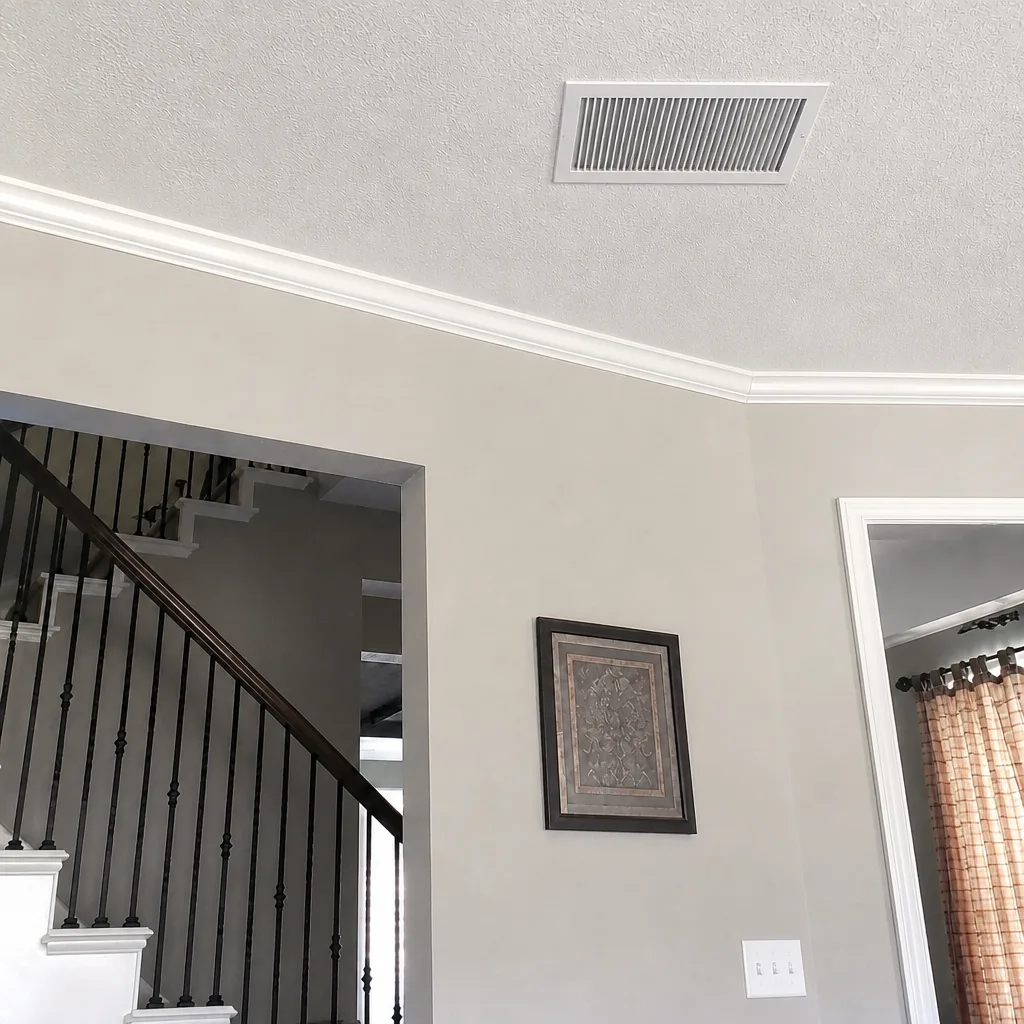 After
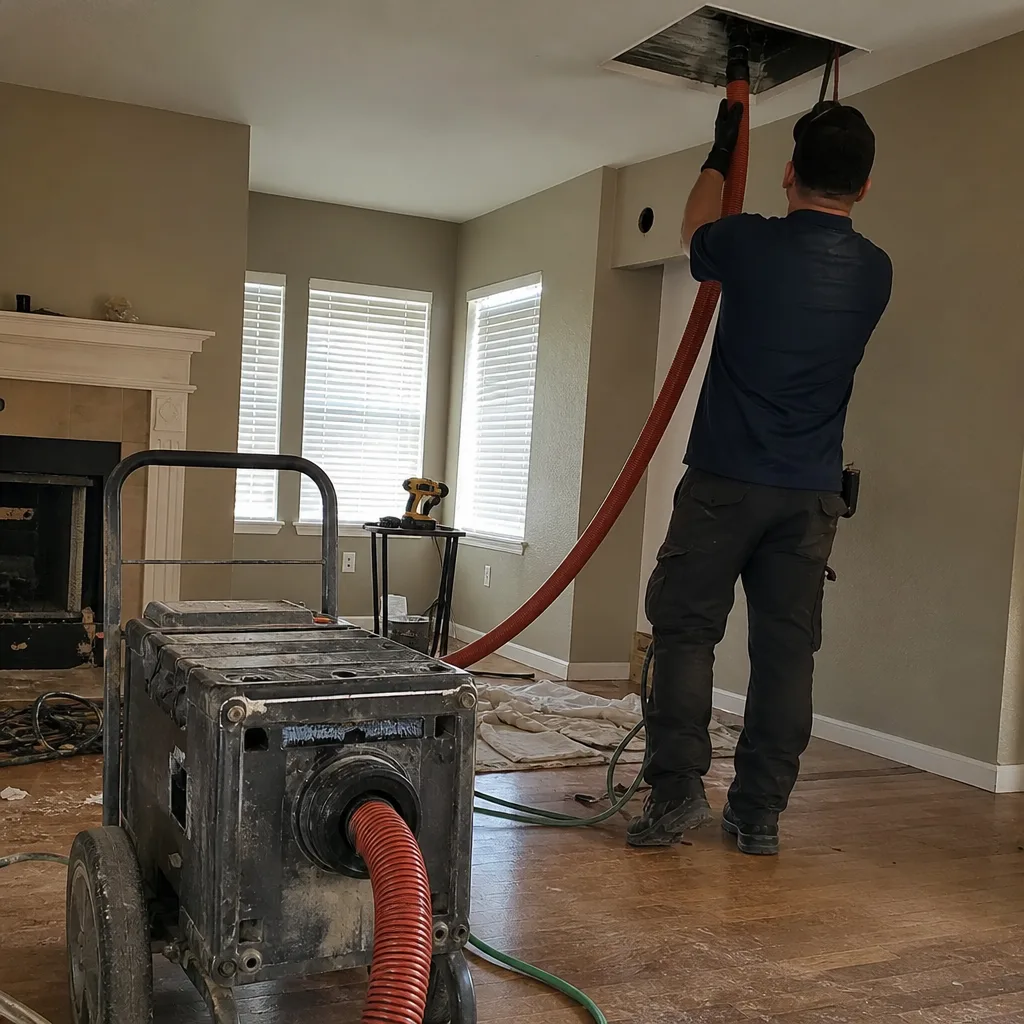 Before
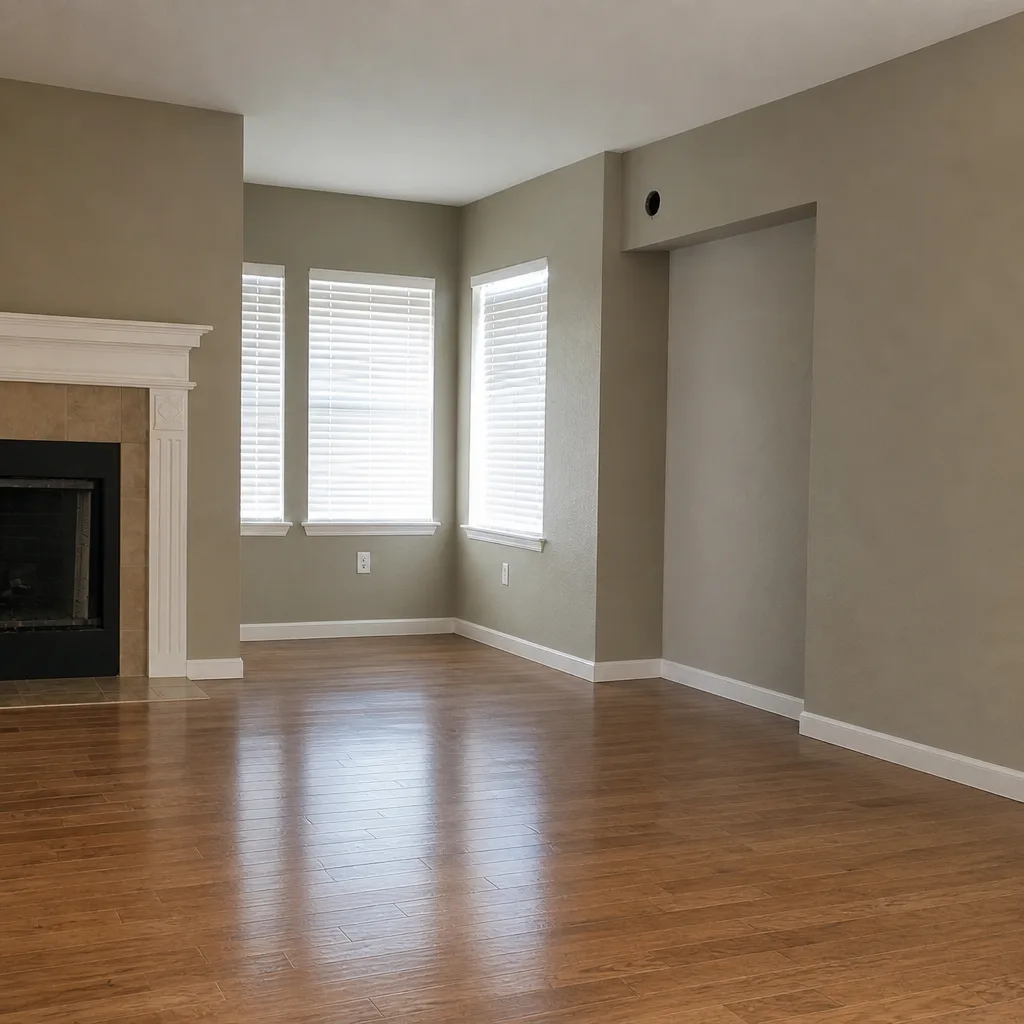 After
When to Call a Professional
Call a professional when the duct problem is structural rather than surface. That means crushed or disconnected runs, duct material that’s failed, pressure imbalance you can hear or feel, or any repair that would change the system’s geometry. Those are permit-level jobs, and they’re not the place to save money by skipping the inspection. Call a professional when you’re not sure whether your job needs a permit, because guessing wrong costs more than asking. Call a professional when your property manager requires documentation for contractor access, since a licensed and insured pro will have the paperwork ready. Air Duct Cleaning Uptown offers free estimates in Uptown – call (833) 508-9172. We don’t just clean – we diagnose, repair, and protect, and we’ll tell you in writing whether your job crosses the permit line before any work begins. Our technicians have up to 12 years of experience, and we use contractor-grade Rotobrush and Nikro equipment for every job, cleaning or repair.
Frequently Asked Questions
No, air duct cleaning typically does not require a permit anywhere in Texas, including Uptown, because it’s classified as maintenance on an existing system rather than construction. Sanitizing and fogging treatments fall into the same category. If your contractor also repairs or modifies ductwork, that portion may require a mechanical permit through the City of Dallas, and the two should be scoped separately. Call (833) 508-9172 for an exact quote – estimates are free.
Usually yes. Duct repair that replaces material, adds a new section, or changes the routing of a run generally requires a mechanical permit through the City of Dallas, and the work is inspected afterward. Joint sealing on existing ductwork without adding material typically doesn’t require a permit. If you’re unsure which category your job falls into, ask the contractor to state it in writing before work begins. Call (833) 508-9172 – we’ll walk you through the distinction for your specific job.
Sealing is applying mastic, code-approved tape, or gasketing to existing joints and seams without adding duct material. Repair is replacing, splicing, or adding duct material. Sealing is usually permit-exempt maintenance; repair is usually permitted construction. The line matters because it determines who inspects the work, what gets documented, and what your insurer can rely on later. A contractor who can’t tell you which one your job is hasn’t scoped it properly. Call (833) 508-9172 for a free written scope.
It can. If a claim traces back to duct work, the insurer may ask whether the work was permitted and inspected. Unpermitted work gives an adjuster a reason to question whether the repair met code. The safest path is a written scope, a mechanical permit where one is required, and a final inspection record kept with your home documents. Our team can help you assemble all three. Call (833) 508-9172 – estimates are free.
Yes, and you should ask for one before the job starts. The best combination is a written scope of work, before-and-after photos of your own ducts, and a permit number with the inspection sign-off if a permit was pulled. Those three documents answer nearly every insurance or home-inspection question. Ask the contractor to send the inspection result by email once it clears. Call (833) 508-9172 if you’d like to see what our documentation packet typically includes.
Not the duct permit itself, which is still governed by City of Dallas mechanical code, but two extra layers do apply. First, penetrations through fire-rated assemblies need firestopping and inspection regardless of what’s inside your unit. Second, most Uptown buildings require contractor insurance certificates and alteration approval through the property manager, on top of the city permit. Both need to be handled before work begins. Call (833) 508-9172 and we’ll help you sort out what your building requires.
The Bottom Line
Air duct cleaning in Uptown typically needs no permit, and that’s true across Texas. Duct repair and modification usually do, and the City of Dallas mechanical code governs which side of the line your job falls on. The distinction matters because permit-exempt work is invisible to your insurer and your buyer’s inspector, while permitted work comes with a record that reassures both. If you’re booking any duct service that goes beyond cleaning and sanitizing, ask for a written scope, ask whether a mechanical permit is required, and keep the inspection sign-off.
Our team combines cleaning, repair, air quality upgrades, and documentation into a single visit. We use contractor-grade Rotobrush and Nikro equipment, we work with Honeywell and Aprilaire air quality systems, and we’ll tell you plainly whether your job is permit-exempt or permit-required. Indoor air quality, done completely.
Call (833) 508-9172 for a free estimate. We answer 24/7. Fast dispatch from 7am to 7pm, Sunday through Friday.
Written by the team at Air Duct Cleaning Uptown.